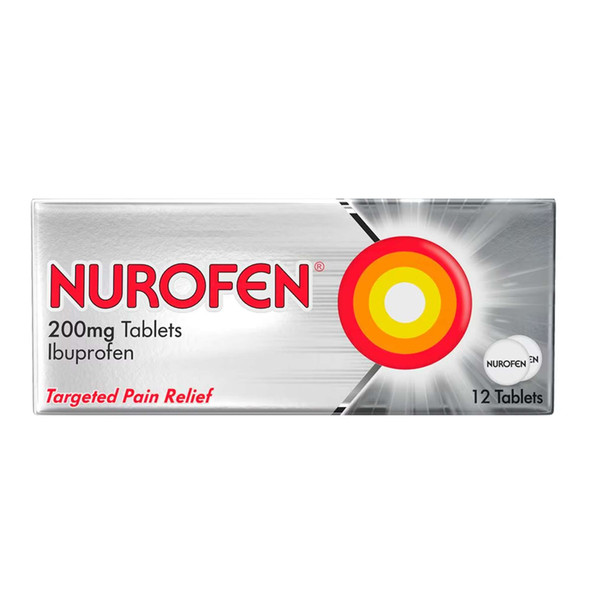
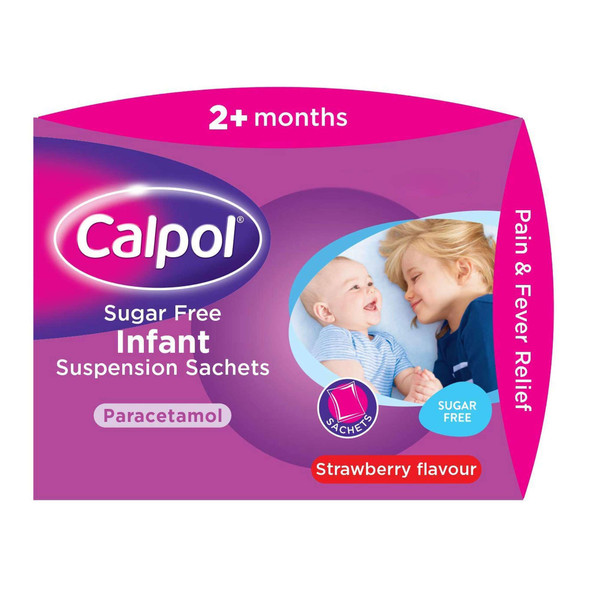
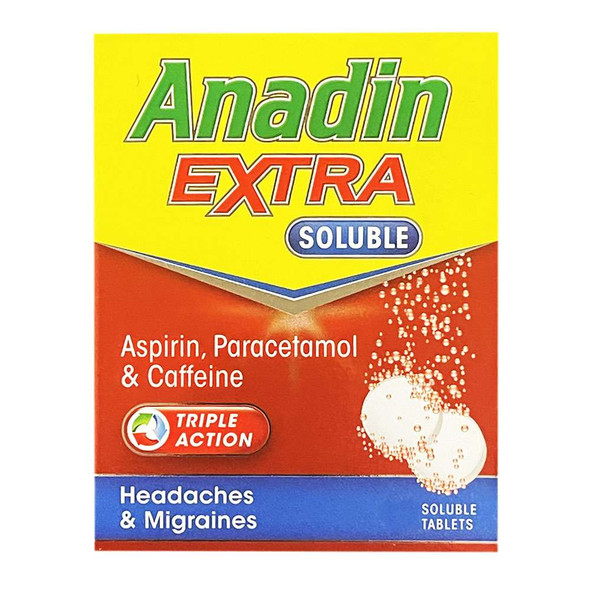
Dental pain can feel like a dull ache, sharp twinge or throbbing discomfort in a tooth, gum or jaw. It’s often linked to issues such as tooth decay, sensitivity, a cracked tooth, gum irritation or infection, so pain relief is best used as short-term symptom support while you arrange dental care for the underlying cause. This category includes pharmacy options commonly used for toothache and dental pain, including paracetamol and ibuprofen in different strengths and pack sizes, plus soluble formats that can be easier to take.
What to do right now: book a dental appointment, use a suitable pain relief option as directed, avoid very hot/cold or sugary triggers if sensitivity is worsening pain, and keep up gentle brushing and flossing. withaid is a UK based and regulated pharmacy, with fast, free delivery on orders over £20 and items sent by Royal Mail in discreet packaging.
Shop by dental pain type
Popular types of dental pain relief products
- Paracetamol tablets/capsules: commonly chosen for mild to moderate dental pain when suitable.
- Ibuprofen tablets: anti-inflammatory pain relief where appropriate and suitable for you.
- Soluble tablets: dissolve in water and can be easier to take if swallowing is uncomfortable.
- Combination pain relief for adults: selected short-term options for acute, moderate pain when standard painkillers haven’t helped and the product is suitable.
- Oral gels for sore spots: targeted, short-term soothing for mouth discomfort when used as directed (age limits vary).
How to choose the right option
- Start with what’s suitable for you: many people choose paracetamol or ibuprofen, but not everyone can take every option.
- Check the active ingredient: avoid taking two medicines containing the same ingredient (especially paracetamol).
- Consider inflammation and sensitivity: ibuprofen may help when inflammation is involved, but it may be unsuitable with some conditions or medicines.
- Use stronger options carefully: if a product contains codeine or dihydrocodeine, follow the label closely, keep use short-term, and ask a pharmacist if unsure.
- Pick the format you’ll take correctly: tablets, capsules or soluble formats can make dosing and taking easier.
- Know when to escalate: swelling, fever, pus, a bad taste, facial swelling, or worsening pain needs urgent dental assessment.
Quick links: common needs
FAQs
What’s the best pain relief for dental pain?
It depends on your age, medical history and what you can safely take. Many people use paracetamol or ibuprofen for short-term dental pain relief. If you’re unsure what’s suitable or how to dose safely, ask a pharmacist.
Can I take paracetamol and ibuprofen together for toothache?
Some adults can use both in a structured way, but you must follow the dosing instructions on the pack and never exceed maximum daily doses. If you take other medicines or have stomach, kidney, heart or asthma conditions, check with a pharmacist first.
Is aspirin suitable for dental pain?
Aspirin may be suitable for some adults, but it is not suitable for children under 16 and may be unsuitable for people with certain conditions or medicines. Always check the label and ask a pharmacist if unsure.
Do I need antibiotics for dental pain or a suspected infection?
Dental infections and abscesses need assessment and treatment advice from a dentist. Pain relief can help you manage symptoms in the short term, but it does not treat the cause. Seek urgent dental or medical advice if you have swelling, fever, pus, or feel unwell.
Do oral gels work for toothache?
Some people use oral gels for temporary, local soothing alongside suitable pain relief. They won’t treat the underlying cause of toothache. Suitability and age limits vary, so use only as directed and check the label carefully.
Are codeine-containing painkillers suitable for dental pain?
Some codeine combinations are intended for short-term, acute moderate pain in adults when standard painkillers haven’t helped. They’re not suitable for everyone and can cause drowsiness and dependence if misused—follow the label, avoid driving if affected, and ask a pharmacist if unsure.
When is dental pain urgent?
Get urgent help if you have facial swelling, difficulty breathing or swallowing, fever, spreading redness, or severe pain not controlled with suitable pain relief. If pain lasts more than a day or two, keeps returning, or worsens, arrange a dental appointment.
Important: Dental pain can have many causes and may need assessment by a dentist. This information is general and does not replace medical advice. Always read the label and patient information leaflet, and follow dosing directions. If symptoms are severe, unusual, worsening or persistent—or if you are pregnant/breastfeeding, buying for a child, or taking other medicines—speak to a pharmacist, dentist or GP. In an emergency, call 999 or attend A&E.