Dizziness can feel like spinning (vertigo), being off-balance, or light-headedness that makes you feel close to fainting. Because there are many possible causes—such as inner-ear balance disturbance, dehydration, low blood pressure, anxiety, or medicine side effects—most people shopping this category want two things: practical short-term symptom support and confidence they’re choosing an option that’s suitable for them.
This WithAid category brings together UK pharmacy products commonly used for dizziness linked to motion/travel sickness and related nausea. You’ll see options in different strengths and pack sizes so you can plan for occasional journeys or frequent travel. Always read the label and consider drowsiness risk (some options can affect alertness). If you’re unsure what’s appropriate—especially if you take regular medicines, have a long-term condition, are pregnant/breastfeeding, or you’re buying for a child—ask a pharmacist for tailored advice.
Shop by dizziness type
Popular types of products
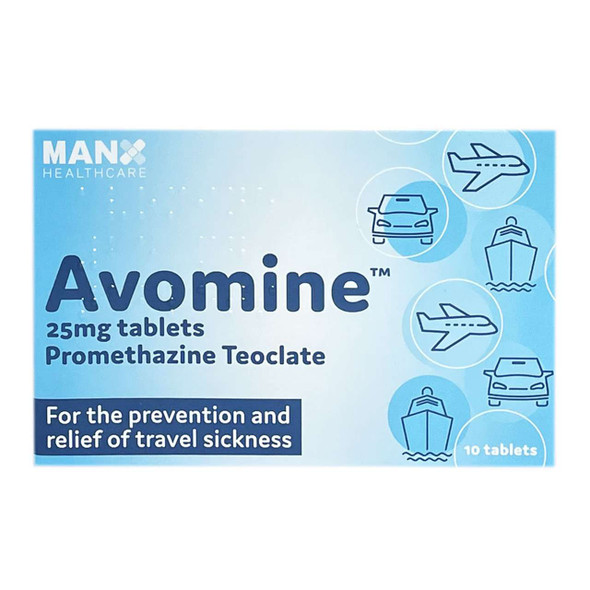
- Promethazine travel tablets (commonly chosen to help prevent travel sickness; may cause drowsiness)
- Cinnarizine tablets (often selected for travel sickness and vertigo-type symptoms)
- Smaller travel packs for short trips and occasional use
- Larger pack sizes for frequent travellers (follow dosing limits)
- Brand alternatives with the same active ingredient for preference and availability
How to choose the right option
- Start with the likely trigger: travel/motion, inner-ear issues, dehydration, anxiety, or medicine side effects may need different next steps.
- Prevention vs relief: many travel sickness options work best when taken before you set off—check the pack for timing.
- Check drowsiness warnings: avoid driving, cycling, or operating machinery if you feel sleepy, dizzy, or have blurred vision.
- Match to age and circumstances: suitability can differ for children, older adults, pregnancy, and breastfeeding—follow label guidance.
- Review interactions: take extra care with alcohol and other medicines that can cause drowsiness, and check warnings for certain conditions.
- Know when to get help: frequent, severe, or worsening dizziness needs medical review to identify the cause.
Quick links: common needs
- Before travel: choose a prevention-focused option and follow recommended timing
- Dizziness with nausea: browse nausea options if feeling sick is a main symptom
- Unsure what to choose: ask a pharmacist about suitability and interactions
FAQs
What’s the difference between dizziness and vertigo?
Dizziness can mean feeling light-headed, unsteady, or off-balance. Vertigo usually refers to a spinning sensation, often linked to the balance system in the inner ear. If symptoms are new, severe, or recurring, it’s sensible to seek clinical advice.
Which products are commonly used for travel-related dizziness?
Travel sickness options often include antihistamine-based tablets used to help prevent nausea and dizziness caused by motion. Always follow the label for timing, age limits, and warnings (including drowsiness).
How long before travel should I take a travel sickness tablet?
It depends on the product. Some are taken 1–2 hours before travel, while others may be taken the night before for longer journeys. Check your specific pack instructions and do not exceed the stated maximum daily dose.
Can these medicines make me drowsy?
Yes—some options can cause drowsiness, blurred vision, or reduced alertness. If you feel affected, do not drive, cycle, or operate machinery, and avoid alcohol unless the label says otherwise.
I feel dizzy after starting a new medicine—what should I do?
Dizziness can be a side effect of some medicines or can happen when doses change. Do not stop prescribed treatment without advice. Speak to a pharmacist or your prescriber promptly, especially if symptoms are troublesome, worsening, or you’ve had a fall.
What non-medicine tips can help with travel sickness dizziness?
Some people find it helps to sit where movement feels minimal, look at the horizon or a fixed point, get fresh air, avoid heavy meals before travelling, stay hydrated, and take breaks on long car journeys. For light-headedness, standing up slowly can help reduce symptoms in some cases.
Do I need to speak to a pharmacist before buying?
If you take regular prescriptions, have a long-term condition, are pregnant or breastfeeding, or you’re buying for a child, it’s a good idea to ask a pharmacist to confirm suitability. Some products may also require additional suitability questions depending on classification.
When should I seek urgent medical help for dizziness?
Get urgent help if dizziness comes with chest pain, severe headache, fainting, one-sided weakness or numbness, confusion, slurred speech, sudden hearing loss, severe shortness of breath, or after a head injury. For persistent or worsening dizziness, arrange a GP review.
Safety note: Dizziness can be a symptom of many different conditions, and not all causes are suitable for self-treatment. Use medicines only as directed on the label. If symptoms are frequent, severe, worsening, or not improving, speak to a pharmacist or GP for personalised advice, and seek urgent care for red-flag symptoms.