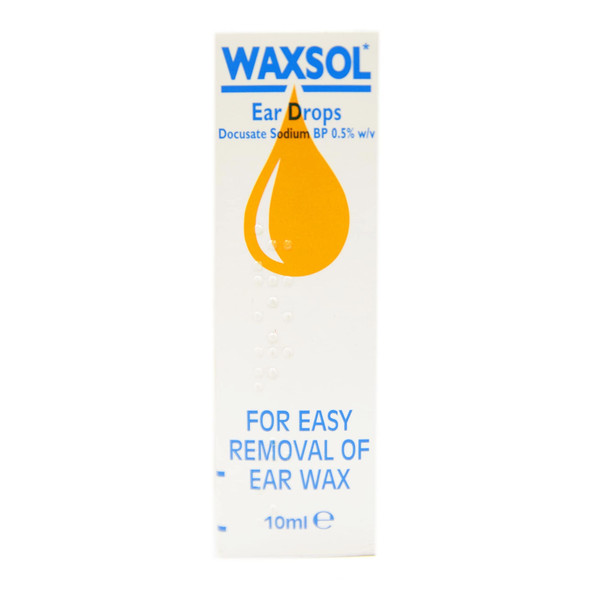
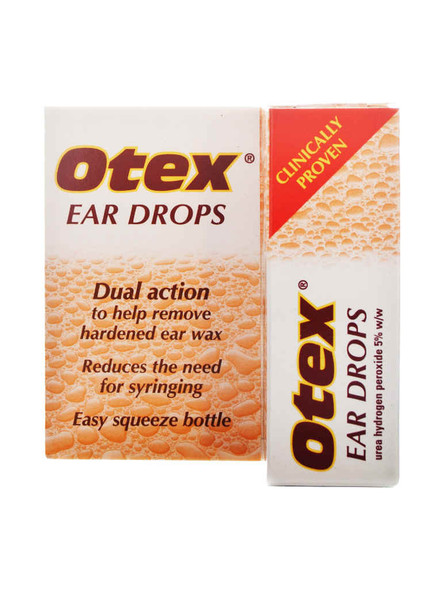
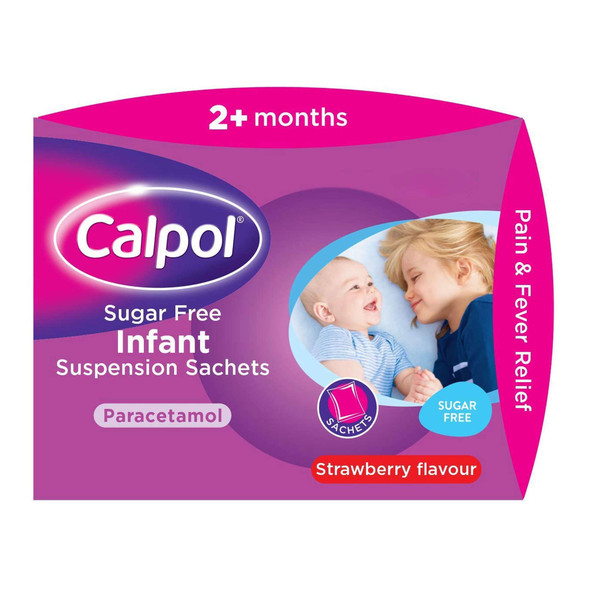
Earache can feel urgent, but the best product depends on what’s causing the discomfort. Most people shopping this category want to ease pain, clear a blocked ear from wax, or manage pressure/fluid behind the eardrum (often described as “popping” ears or glue ear). You’ll find trusted pharmacy options here such as ear wax softening drops, olive oil ear sprays, wax combi kits (drops plus a gentle bulb syringe where included), pressure-equalising devices, and age-appropriate pain relief formats including tablets, liquids, and sachets.
To help you get to the right place quickly, the links below take you to the most relevant areas of the store (for example pain relief, cold & flu, and children’s options). If you’re not sure what’s driving your symptoms, start with the most obvious sign: wax often causes muffled hearing and fullness, while pressure can follow a cold. Use products for the shortest time needed, follow the label carefully, and avoid duplicating ingredients across medicines. If symptoms aren’t improving within 2–3 days, keep returning, or you’re buying for a child, a pharmacist can advise on what’s appropriate and when to speak to a GP.
- Ear wax removal: drops, combi kits and measured olive oil sprays
- Glue ear / pressure: pressure-equalising devices
- Comfort support: suitable pain & fever relief formats for adults and children
Shop by earache type
Popular types of earache products
- Ear wax softening drops (for blocked ears and muffled hearing)
- Ear wax combi kits (drops plus a gentle bulb syringe, where included)
- Olive oil ear sprays (measured sprays to help soften wax)
- Pressure-equalising devices (commonly used for glue ear and pressure changes)
- Pain relief formats (tablets, caplets, liquid suspensions, sachets)
How to choose the right option
- Match the product to the symptom: fullness/muffled hearing often suggests wax; popping/pressure can follow colds or altitude changes; pain can sometimes be referred from teeth or jaw.
- Check suitability first: children’s products are age-specific, and some medicines are not suitable for everyone or alongside certain treatments.
- Avoid ear drops if a perforated eardrum is possible: if you have discharge, a recent injury, or ear surgery history, seek advice before using drops or sprays.
- Use correct dosing for pain relief: follow pack directions and avoid taking multiple products containing the same ingredient.
- Expect pharmacy checks for some items: certain products may require a short suitability questionnaire reviewed by a pharmacist before dispatch.
- Reassess quickly: if symptoms aren’t improving within 2–3 days, or keep returning, speak to a pharmacist or GP.
Quick links: common needs
- Blocked ear from wax: wax-softening drops, combi kits, or an olive oil spray
- Glue ear or pressure changes: a pressure-equalising device
- Earache with a cold: cold & flu support plus suitable pain relief
- Shopping for a child: age-appropriate pain & fever relief (check dosing)
FAQs
What’s the best option for earache relief?
The best option depends on the likely cause. Wax-related blockage may suit wax-softening drops, a combi kit, or an olive oil spray. Pressure or glue ear symptoms may suit a pressure-equalising device. For pain and fever, age-appropriate paracetamol or ibuprofen can help if suitable. If you’re unsure what to choose, ask a pharmacist.
How can I tell if it’s ear wax or an infection?
Wax build-up often causes a blocked feeling and muffled hearing. Infections can involve worsening pain, fever, feeling unwell, or discharge. You can’t always tell at home, so seek advice if symptoms are severe, persistent, or getting worse.
Can I use ear drops if I think my eardrum has burst?
If you suspect a perforated (burst) eardrum, have discharge, or have had recent ear surgery, don’t use ear drops unless a clinician has advised they’re suitable. Speak to a pharmacist or GP first.
How long should I try wax softeners before seeking help?
Follow the pack directions and reassess after the recommended course. If the ear still feels blocked, pain develops, or symptoms return frequently, ask a pharmacist or GP what to do next rather than repeatedly switching products.
When should I avoid self-treating ear wax?
Seek advice before treating wax if you have pain with discharge, a recent ear injury, suspected perforated eardrum, previous ear surgery, or repeated blockage that keeps coming back. A pharmacist or GP can advise the safest next step.
Can I fly with earache or ear pressure?
Flying can worsen pressure-related symptoms. If you’re unwell with a cold or have significant ear pain, it’s sensible to get advice before travelling. For mild pressure symptoms, a pressure-equalising device may help some people manage discomfort, but you should still follow the product directions and seek advice if symptoms are severe.
When should I get urgent help for earache?
Seek urgent medical help if there’s swelling around the ear, high fever, severe or rapidly worsening pain, significant hearing loss, dizziness, facial weakness, discharge, or if symptoms follow injury or a foreign object in the ear.
Safety note: Earache products can help manage symptoms but won’t be right for everyone. Always read the label and use as directed. If you’re pregnant, breastfeeding, take regular medicines, have a long-term condition, or are buying for a child, ask a pharmacist for guidance. If symptoms are severe, worsening, recurrent, or you suspect an infection or perforated eardrum, contact a pharmacist or GP.