If you’re looking for eye infection treatment online in the UK, this category brings together pharmacy products commonly used for minor eye or eyelid infections and related irritation. People typically shop this page when dealing with a red or sore eye, stickiness or discharge, crusting on lashes, a gritty feeling, watering, or eyelid inflammation. Because similar symptoms can also be caused by allergy, dryness, or irritation, choosing the right option starts with checking the product guidance and making sure your symptoms fit what the medicine is intended for.
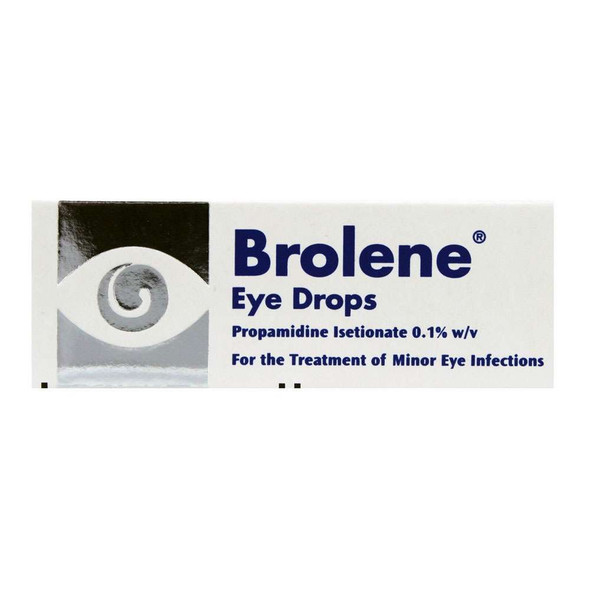
On this page you’ll find well-known options including GoldenEye eye drops (including a blepharitis-focused variant), Brolene Eye Drops, and a GoldenEye antibiotic ointment product. Always read the label and patient information leaflet, use products hygienically, and avoid sharing drops or ointment. If symptoms are severe, involve contact lens wear, or your vision is affected, it’s safer to seek advice from an optometrist, pharmacist, or GP promptly.
Shop by Eye Infection type
Popular types of eye infection products
- Antiseptic eye drops for minor eye or eyelid infections (where labelled)
- Disinfectant eye drops such as Brolene-style products (where suitable)
- Blepharitis-support eye drops for eyelid inflammation symptoms (where indicated)
- Antibiotic eye ointment for certain bacterial infections (where appropriate and labelled)
How to choose the right option
- Match the symptoms: itching and watering can be allergy-related, while sticky discharge and crusting may suggest infection—use the leaflet to guide choice.
- Contact lenses: remove lenses unless the product explicitly states it’s suitable; lens wearers should seek advice sooner if symptoms persist or worsen.
- Check age guidance: only use treatments clearly labelled for the patient’s age and follow dosing instructions exactly.
- Pregnancy or breastfeeding: check the leaflet and speak to a pharmacist or GP before using eye medicines.
- Use safely and hygienically: wash hands, don’t touch the bottle tip to the eye, don’t share products, and follow any “discard after opening” instructions on the pack.
- Know when to escalate: pain, light sensitivity, significant swelling, injury, or any vision change needs prompt assessment.
Quick links: common needs
FAQs
What are common signs of an eye infection?
Common symptoms include redness, soreness, a gritty feeling, stickiness or discharge, crusting on lashes, watering, and eyelid swelling. Symptoms can overlap with allergy or dry eye, so check product guidance and seek advice if you’re unsure.
Do I need antibiotic eye drops or an antibiotic ointment?
Not always. Some infections are viral and won’t respond to antibiotics, while certain bacterial infections may require an antibiotic medicine or clinical assessment. If symptoms are significant, worsening, or you’re unsure what to use, speak to a pharmacist, optometrist, or GP.
What’s the difference between antiseptic and antibiotic eye treatments?
Antiseptic or disinfectant drops are intended for certain minor infections (as per the leaflet). Antibiotic medicines are designed for bacterial infections and may not be appropriate for other causes. Follow the product information carefully and get advice if you’re uncertain.
Can I use eye infection treatments if I wear contact lenses?
Many products advise removing contact lenses during symptoms and treatment. Follow the leaflet and seek advice promptly if you have pain, light sensitivity, worsening redness, or any vision change—especially if symptoms started while wearing lenses.
How do I reduce the risk of spreading an eye infection?
Wash hands often, avoid rubbing your eyes, use separate towels and pillowcases, don’t share eye drops/ointment, and replace eye makeup used during symptoms. Keep the bottle tip clean and avoid touching it to the eye.
Can I drive or use screens if my eye is irritated?
Only drive if your vision is clear and you feel safe to do so. If you have blurred vision, light sensitivity, or significant discomfort, avoid driving and seek advice. With screens, take regular breaks and consider lubricating drops if appropriate for your symptoms and the product guidance.
When should I seek urgent help for an eye problem?
Get urgent advice if you have severe pain, light sensitivity, a foreign body or injury, chemical exposure, marked swelling, fever, a new rash around the eye, or any sudden change in vision.
Safety note: This page provides general information and does not replace medical advice. Always read the label and patient information leaflet before use. Do not use leftover or shared eye drops/ointment. If you wear contact lenses, are pregnant or breastfeeding, are buying for a child, have an existing eye condition, take regular medicines, or symptoms are severe, unusual, persistent, or affecting vision, speak to a pharmacist, optometrist, or GP promptly.