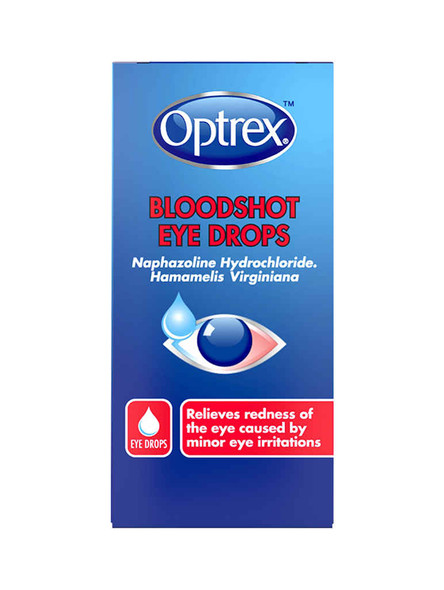
Eye irritation can feel like dryness, grittiness, stinging, burning, watery eyes or visible redness — often linked to screens, central heating or air conditioning, wind, smoke, dust, swimming, contact lenses or seasonal allergies. In this category you’ll find UK pharmacy eye drops and eye mists designed for everyday, minor irritation, including lubricating drops (artificial tears) for dry or tired eyes, soothing drops for soreness, preservative-free options for frequent use, and occasional redness-relief drops for minor irritation with a bloodshot appearance.
To choose confidently, start with your main symptom and preferred format, then check contact lens guidance and how often you plan to use the product. If you’re unsure, our pharmacy team can help you pick the most suitable option. Orders are sent in discreet packaging via Royal Mail. For persistent symptoms, repeated flare-ups, or anything severe, it’s safer to get professional advice rather than continuing to self-treat.
Shop by eye irritation type
Popular types of eye irritation products
- Lubricating eye drops (artificial tears) for dry, gritty or tired eyes linked to screens and dry air
- Soothing / cooling eye drops for mild soreness and everyday irritation
- Redness-relief eye drops for occasional minor irritation with visible redness
- Preservative-free drops (single-use vials) for frequent use or sensitive eyes
- Eye mists / sprays for dry, irritated eyes when you prefer a spray format
How to choose the right option
- Match symptom to format: dry/gritty usually suits lubricating drops; itchy/watery often points to allergy eye drops; occasional redness may suit redness-relief drops used as directed.
- Check contact lens advice: some products require removing lenses and waiting before reinserting.
- Choose a dosing style you’ll stick to: multi-dose bottle, single-use vials, or an eye mist/spray.
- Consider preservative-free options: they can be a practical choice if you need frequent use or your eyes are sensitive.
- Use good drop hygiene: don’t touch the bottle tip to your eye or any surface and avoid sharing products.
- Know when to get help: pain, light sensitivity, injury, thick discharge, significant swelling or vision changes need urgent assessment.
Quick links: common needs
FAQs
What causes eye irritation?
Common triggers include screen use, dry air (heating or air conditioning), wind, smoke, dust, swimming, contact lenses and allergies. If symptoms are severe, new or worsening, seek advice to confirm the cause.
What should I choose for dry, gritty eyes from screen use?
Many people start with lubricating eye drops (artificial tears) for dryness, grittiness or tired eyes linked to screens and dry environments. Follow the directions and check suitability for contact lenses.
What’s the difference between allergy eye drops and lubricating drops?
Allergy eye drops are aimed at allergy-related symptoms such as itching and watering. Lubricating drops add moisture for dry, gritty or tired eyes linked to environmental triggers and screen use.
Are preservative-free eye drops a good idea?
Preservative-free drops can be a sensible option if you need to use drops frequently or your eyes are sensitive. Single-use vials can also help with convenience and hygiene.
Can I use eye drops while wearing contact lenses?
Some products are compatible with contact lenses, while others advise removing lenses and waiting before reinserting. Always follow the product instructions and your lens-care guidance.
Can I use these products if I have blepharitis or eyelid inflammation?
Some soothing or lubricating products may be appropriate, but blepharitis often needs a specific routine. If you have recurring irritation, eyelid crusting, or ongoing discomfort, ask a pharmacist or optometrist for advice.
When is eye irritation urgent?
Get urgent help if you have severe eye pain, sudden vision changes, light sensitivity, a chemical splash, an eye injury, significant swelling, or thick discharge.
Important: Products in this category are for short-term relief of everyday, minor eye irritation and are not suitable for every eye problem. Always read the label and patient leaflet and use as directed. Ask a pharmacist for help choosing the most suitable option, especially if you’re pregnant or breastfeeding, buying for a child, have an existing eye condition, or wear contact lenses.