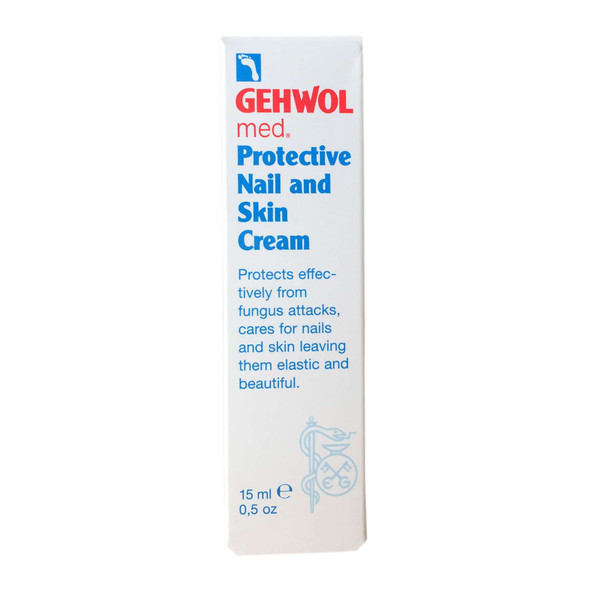
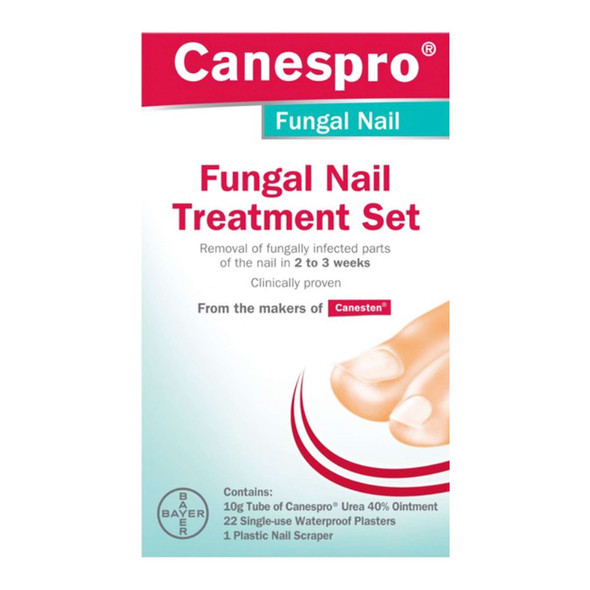
Fungal nail infection (onychomycosis) often affects toenails and can cause yellowing or whitening, thickening, brittleness and crumbly edges. This category brings together pharmacy-grade options for at-home nail care, including antifungal creams for surrounding skin, targeted nail pens/solutions for the nail surface, and protective nail oils used as part of an ongoing routine. You’ll also find supportive foot and footwear hygiene products that can help reduce re-exposure from damp shoes and sweaty socks.
It’s important to set realistic expectations: nails grow slowly, so visible improvement can take weeks, and toenails may take many months to grow out even when treatment is used correctly. Some nail changes can look similar to fungal infection (for example nail trauma, psoriasis or eczema), so if you’re unsure what you’re treating, ask a pharmacist for guidance. You can also browse related OTC categories in the Health Condition hub.
Shop by Fungal Nail Infection type
- Antifungal creams (for nails and surrounding skin)
- Nail pens and solutions (targeted application to the nail)
- Protective nail oils and serums (supportive nail care)
- Antifungal sprays (nail/skin and hygiene support)
- Foot and footwear hygiene support (to help reduce reinfection risk)
Popular types of treatments
Antifungal creams are commonly used when the skin around the nail is also itchy, flaky or irritated. Nail pens and solutions are designed for precise application along the nail surface and edges as part of a consistent routine. Protective nail oils are often chosen for ongoing nail care, especially if you’re prone to repeat problems. Sprays can support broader coverage and hygiene routines for feet and footwear.
How to choose the right option
Start by checking what’s affected: nail only, surrounding skin, or both. Mild early changes may be suited to a consistent topical routine, while thickened, distorted, lifting or painful nails are more likely to need professional advice. Choose a format you can use exactly as directed (daily or weekly, depending on the product) and complete the full recommended duration even if the nail looks better sooner. Support treatment with practical steps: dry feet thoroughly (including between toes), change socks daily, rotate shoes, disinfect nail tools, and avoid sharing clippers/files. If you have diabetes, poor circulation, immune suppression, or recurrent skin infections, speak to a pharmacist or GP before self-treating.
Quick links: common needs
FAQs
What are common signs of a fungal nail infection?
Common signs include discolouration (yellow, white or brown), thickening, brittleness, crumbling edges, and debris under the nail. Toenails are affected more often than fingernails.
How long does treatment usually take?
It varies by product and severity. You may notice early cosmetic changes sooner, but full improvement depends on healthy nail growth. Toenails can take many months to grow out, so consistency and completing the recommended course matters.
How do I know it’s fungal and not something else?
Nail trauma, psoriasis, eczema and other conditions can mimic fungal changes. If you’re unsure, the nail is painful, or multiple nails are affected, speak to a pharmacist or GP before starting (or if you’ve started but aren’t seeing expected progress).
Which format should I choose: cream, pen/solution, oil or spray?
If surrounding skin is affected, a cream may be more suitable. Pens and solutions are designed for targeted nail application. Oils can support protective nail care as part of an ongoing routine. Sprays can be helpful for coverage and hygiene routines.
How can I help prevent reinfection?
Keep feet clean and dry, change socks daily, rotate shoes, disinfect nail tools, and avoid sharing footwear or nail clippers/files. Treating athlete’s foot promptly can also help reduce re-exposure.
When should I speak to a pharmacist, GP or NHS 111?
Get advice if you have diabetes, poor circulation, a weakened immune system, or if the nail is very painful, swollen, hot, weeping, rapidly worsening, or looks infected. Seek urgent advice via NHS 111 for spreading redness, severe pain, fever, or if you feel unwell.
Important: This content is for general guidance only and does not replace medical advice. Always read and follow the product label and instructions. If symptoms persist, worsen, or you’re unsure what’s causing the nail changes, speak to a pharmacist, contact your GP, or call NHS 111 for urgent advice.