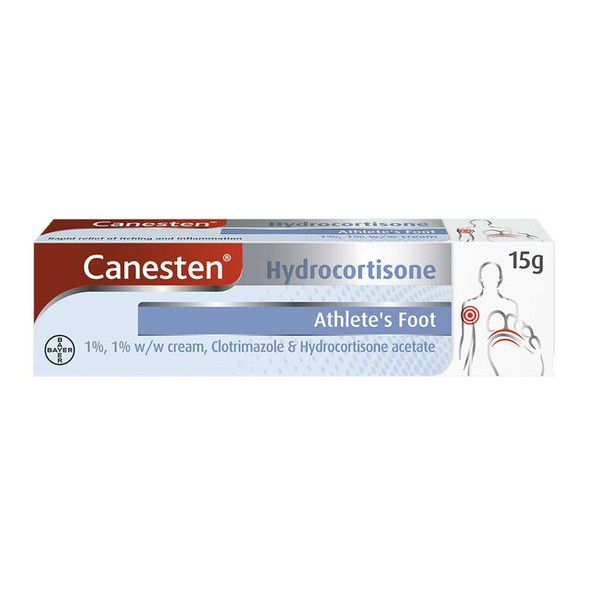
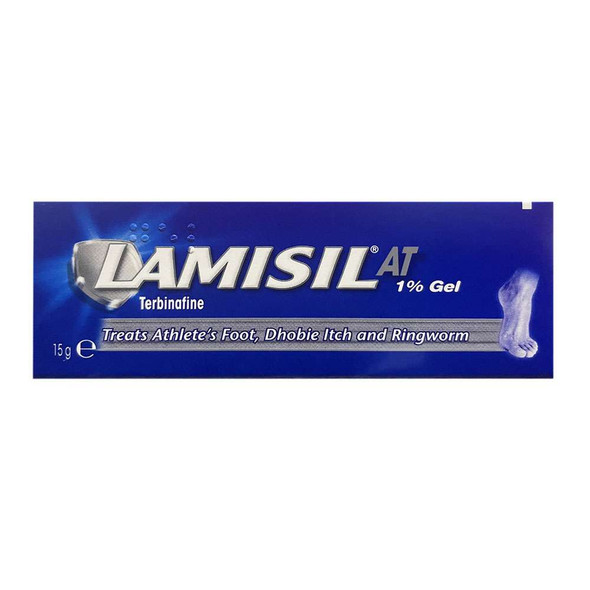
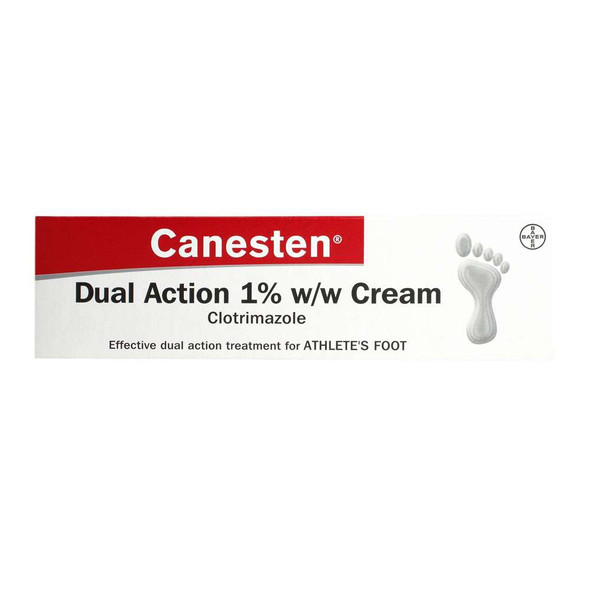
Choosing the right athlete’s foot treatment (tinea pedis) is mostly about picking a format you’ll use consistently and that suits where the rash is. Athlete’s foot commonly affects skin between the toes and may cause itching, peeling or flaky skin, redness and soreness. Because it spreads in warm, damp places (gyms, communal showers, swimming pools), start treatment promptly and keep feet clean and dry.
withaid is a UK based and regulated online pharmacy offering discreet packaging and Royal Mail delivery, with free delivery on orders over £20. Always read the label and use medicines as directed, completing the full course stated on the pack even if symptoms improve sooner.
Shop by athlete’s foot type
Popular types of athlete’s foot treatments
- Antifungal creams for targeted application (especially between toes).
- Antifungal sprays for quick coverage with minimal touching.
- Antifungal solutions for creases and hard-to-reach areas.
- Antifungal gels for a lighter, fast-drying feel.
- Antifungal powders to support dryness in socks and shoes (often alongside a main treatment).
How to choose the right option
- Choose by location: between toes often suits a cream; larger areas may suit a spray; creases can suit a solution.
- Choose by routine: if you need speed and convenience, sprays and quick-drying gels can be easier to apply consistently.
- Think about moisture: if feet sweat or shoes stay damp, adding a powder and rotating footwear can help keep things drier.
- Check suitability: follow age guidance and pregnancy/breastfeeding advice on the pack, and ask a pharmacist if unsure.
- Stay consistent: follow the label directions and complete the recommended duration to reduce recurrence.
- Reduce spread: avoid sharing towels, socks or footwear and wash items regularly.
Quick links: common needs
- Itchy, peeling skin between toes: start with a targeted cream format.
- Fast, minimal-touch application: choose a spray format.
- Sweaty feet or damp trainers: add a powder for moisture control and rotate shoes.
- Recurring athlete’s foot: review hygiene steps and speak to a pharmacist if it keeps returning.
- Not sure it’s athlete’s foot: check the FAQs below and ask a pharmacist if uncertain.
FAQs
What is athlete’s foot?
Athlete’s foot (tinea pedis) is a fungal skin infection that often starts between the toes. Common symptoms include itching, peeling or flaky skin, redness and soreness.
How do I know it’s athlete’s foot and not eczema or irritation?
Athlete’s foot commonly affects toe spaces and may cause scaling, peeling or cracking, often after sweating. Eczema or contact irritation can look similar. If you’re unsure what you’re treating, ask a pharmacist for advice before starting.
How long does athlete’s foot take to clear?
This varies by product and severity. You may notice improvement earlier, but it’s important to follow the label instructions and complete the full course stated on the pack.
Which format should I choose: cream, spray, gel, solution or powder?
Creams are useful for precise areas (especially between toes). Sprays suit wider areas with minimal touching. Solutions can help with awkward creases. Gels can feel lighter and dry quickly. Powders are typically used to support dryness in socks and shoes and can be used alongside a main antifungal treatment.
Can I use antifungal treatment on broken or cracked skin?
Check the label before applying to cracked or sore skin. If the area is very painful, bleeding, looks infected, or you’re unsure what’s causing it, seek advice from a pharmacist or GP.
What if it spreads to other areas (for example hands or groin)?
Fungal infections can spread by touch or shared towels. Wash hands after applying treatment, keep the area clean and dry, and avoid sharing towels. If the rash is spreading, very sore, or you’re unsure what it is, speak to a pharmacist or GP for advice on the most appropriate next step.
When should I speak to a pharmacist or GP?
Get advice if symptoms are severe, spreading, not improving after using a treatment as directed, or if you have diabetes, poor circulation or immune suppression. Seek urgent advice if there are signs of infection such as increasing pain, swelling, warmth, pus or fever.
Safety note: This information is general guidance and does not replace medical advice. Always read the label and patient information leaflet and use medicines as directed. If symptoms worsen, you’re unsure what you’re treating, or you have an underlying condition such as diabetes, speak to a pharmacist, contact your GP, or call NHS 111.