Buying haemorrhoid (piles) treatments online in the UK? This category helps you compare common pharmacy options used for short-term symptom management, including itching, soreness, swelling and discomfort. You’ll find familiar formats such as creams and ointments for external use, cooling gels for a lighter feel, and suppositories for symptoms that feel more internal. If constipation or straining is a factor, some people also consider fibre sachets alongside fluids and dietary fibre.
WithAid is a UK based and regulated pharmacy, with orders sent via Royal Mail in discreet packaging and free delivery on orders over £20. Choose an option you can use exactly as directed on the label and patient leaflet. Seek advice promptly from a pharmacist or your GP if you have significant or persistent bleeding, severe pain, a new or worsening lump, discharge, fever, unexplained weight loss, or a persistent change in bowel habit.
Shop by haemorrhoid type
Popular types of haemorrhoid treatments
- Haemorrhoid creams for targeted external soothing where suitable
- Ointments for a protective, longer-lasting barrier feel
- Cooling gels for lightweight, non-greasy comfort
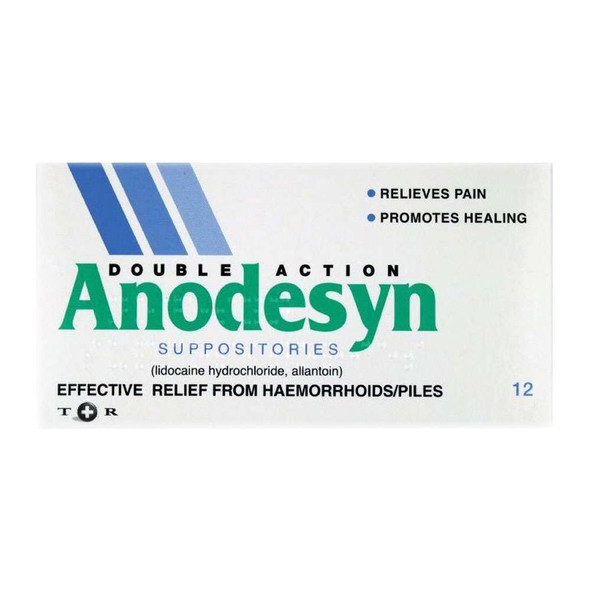
- Suppositories for symptoms that feel more internal, used as directed
- Fibre sachets to support softer stools alongside adequate fluids
How to choose the right option
- Start with symptom location: external discomfort often suits creams, ointments or gels; internal symptoms may suit suppositories.
- Check suitability: review age guidance, pregnancy or breastfeeding advice, allergies and long-term conditions before buying.
- Compare ingredients: avoid doubling up on similar active ingredients across products unless the label confirms it’s suitable.
- Follow directions and duration: use only as stated on the packaging and leaflet, and do not use for longer than advised.
- Reduce triggers: aim for soft stools with fluids and fibre; consider constipation support if straining is a problem.
- Escalate if needed: if symptoms don’t improve, keep returning, or worsen, ask a pharmacist or arrange a GP review.
Quick links: common needs
FAQs
What are haemorrhoids (piles)?
Haemorrhoids (piles) are swollen blood vessels in or around the anus and lower rectum. They can cause itching, soreness and discomfort, and sometimes bleeding.
Which format should I choose: cream, ointment, gel or suppositories?
Choose based on where symptoms are and what you can use safely. Creams, ointments and gels are commonly used for external discomfort, while suppositories are used for symptoms that feel more internal. Always follow the label and leaflet.
How long should I use an over-the-counter piles treatment for?
Use only for the duration stated on the packaging. If symptoms don’t improve, keep returning or worsen, speak to a pharmacist or arrange a GP review.
Is bleeding always caused by piles?
No. While haemorrhoids can cause small amounts of bright red blood, bleeding can have other causes. If bleeding is heavy, persistent, associated with severe pain, or you’re unsure, seek medical advice promptly.
Can constipation and straining make haemorrhoids worse?
Yes. Straining and hard stools can aggravate symptoms. Alongside suitable treatments, aim for adequate fluids and fibre, and consider constipation relief options if appropriate for you.
Can I use haemorrhoid treatments during pregnancy or breastfeeding?
Suitability varies by product and individual circumstances. Check the label carefully and speak to a pharmacist or GP before using haemorrhoid treatments during pregnancy or breastfeeding.
Important: This content is general information and does not replace medical advice, diagnosis or treatment. Always read the patient information leaflet and use medicines only as directed. If symptoms are severe, unusual, persistent or recurrent, or you’re pregnant or breastfeeding, treating a child, or taking other medicines, speak to a pharmacist or your GP. In an emergency, call 999 or attend A&E.