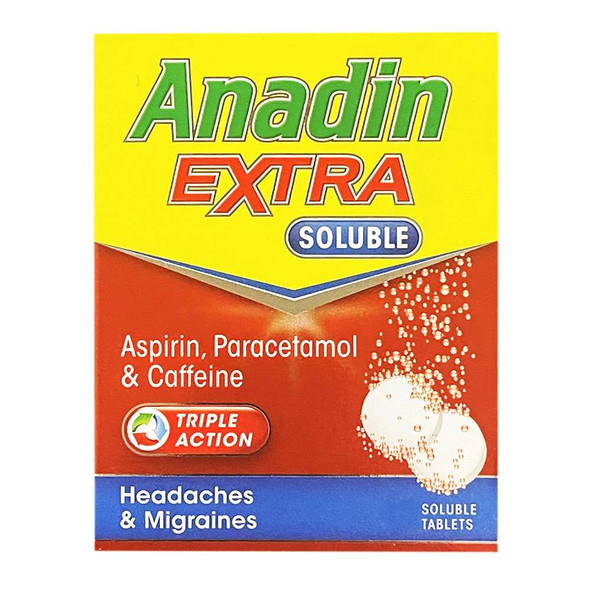
Shop headache relief and migraine tablets from a UK based and regulated pharmacy, with options for everyday headaches, tension-type discomfort and migraine pain. Compare trusted brands and pharmacy generics by active ingredient (including paracetamol, ibuprofen and aspirin where suitable), strength, pack size and format — from standard tablets and capsules to soluble/effervescent options, dispersible aspirin, and liquids for those who can’t swallow tablets. Orders are sent in discreet packaging, with fast, free delivery on orders over £20.
To choose safely, match the product to your symptoms and what you can take. For head pain with congestion or facial pressure, you may also want a related remedy for cold & flu or allergy symptoms. Some products are classed as Pharmacy Medicine and may require a short suitability check before purchase. If headaches are frequent, changing, severe, or you’re needing pain relief often, speak to a pharmacist or GP for advice and to avoid medication-overuse headaches.
Shop by related categories
Popular types of headache pain relief products
- Tablets and capsules for straightforward headache relief and migraine pain relief
- Soluble/effervescent tablets for fast-dissolving formats that are easy to take
- Dispersible aspirin for a tablet that dissolves before swallowing (where suitable)
- Combination pain relief (for example with caffeine or codeine where appropriate)
- Liquids/suspensions and non-tablet options such as oral suspensions and cooling strips
How to choose the right option
- Start with what’s suitable for you: many people begin with paracetamol; ibuprofen or aspirin may be options for some people if appropriate.
- Check for interactions: ask a pharmacist before buying if you take regular medicines (including blood thinners, antidepressants, or medicines for blood pressure).
- Be cautious with anti-inflammatories (NSAIDs): these may not be suitable with a history of stomach ulcers, kidney problems, certain heart conditions, or asthma triggered by NSAIDs.
- Avoid doubling up: don’t combine products containing the same ingredient (many cold & flu products include paracetamol or ibuprofen).
- Pick a format you’ll take correctly: tablets, soluble options, dispersible formats, liquids, or non-tablet comfort products.
- Follow label dosing: use the lowest effective dose for the shortest time and don’t exceed maximum daily limits.
Quick links: common needs
FAQs
What’s the best painkiller for a headache?
There isn’t one best option for everyone. Many people start with paracetamol for mild to moderate headache pain. An anti-inflammatory such as ibuprofen may be suitable for some people, and aspirin can be an option for others. The safest choice depends on your age, medical history and other medicines.
Is paracetamol or ibuprofen better for migraine pain?
It varies from person to person and depends on your symptoms. Some people find one works better than the other. If migraines are frequent, severe, or your pattern changes, speak to a pharmacist or GP for tailored advice.
Can I take headache medicine with blood thinners or antidepressants?
Some pain relief options can interact with prescription medicines, including blood thinners and certain antidepressants. If you take regular medication or have a long-term condition, ask a pharmacist which option is safest for you before buying.
Can I take aspirin for headaches?
Aspirin can help some people, and dispersible aspirin may be preferred by those who want a tablet that dissolves before swallowing. However, aspirin isn’t suitable for everyone (including many children and some adults with stomach problems or bleeding risks). Check the label and ask a pharmacist if you’re unsure.
Can I take headache tablets with cold and flu remedies?
Be careful — many cold and flu medicines already contain pain relief (often paracetamol or ibuprofen). Check the active ingredients so you don’t accidentally double-dose. If you’re unsure what can be taken together, ask a pharmacist.
How long can I take headache medicine for?
Follow the label instructions and avoid using pain relief for longer than recommended without advice. If you need headache medicines for more than a few days, headaches keep returning, or you’re using pain relief frequently, speak to a pharmacist or GP — frequent use can sometimes contribute to medication-overuse headaches.
When should I seek urgent medical advice for a headache?
Seek urgent help if a headache is sudden and severe, follows a head injury, or comes with symptoms such as fever, stiff neck, confusion, fainting, weakness, vision changes, or a new pattern that concerns you. If in doubt, contact NHS 111 or emergency services as appropriate.
Safety note: Headache and migraine relief products are not suitable for everyone and may interact with other medicines. Always read the label and patient information leaflet before use, and ask a pharmacist if you have a long-term condition, take regular medication, or are pregnant or breastfeeding. If symptoms persist, worsen, or worry you, seek medical advice.