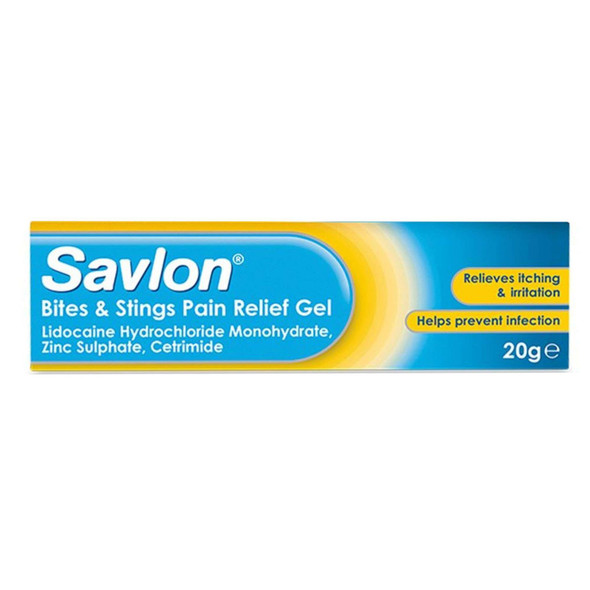
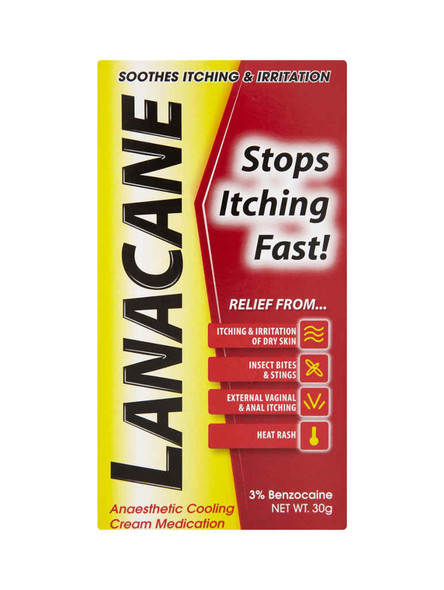
Horse fly bites can be more painful than many other insect bites and often leave a raised, itchy welt that can feel hot or tender. Most people shopping this page are looking for fast, practical relief for itching, redness and swelling, plus first-aid support if the skin is broken from scratching. The products in this range focus on symptom management and basic skin care, with options used for bites and stings such as soothing bite relief creams and gels, mild hydrocortisone 1% creams for short-term inflammation (where suitable), oral antihistamines in tablets or syrups for wider allergy-style symptoms, and antiseptic creams or liquids as part of everyday cleansing and wound care.
To choose the right horse fly bite treatment, start with your main symptom and the location of the bite. Many people do well with a topical option for local irritation, while an oral antihistamine may be considered when symptoms are more widespread (if appropriate for you). If you’re spending time outdoors in warmer months, prevention also matters: covering clothing, avoiding peak biting areas, and using a suitable insect repellent can help reduce the chance of repeat bites.
Shop by Horse Flies type
Popular types of products
- Bite-and-sting relief creams for targeted itching and irritation
- Cooling bite-and-sting gels for soothing comfort on the skin
- Hydrocortisone 1% creams for short-term redness and inflammation (where suitable)
- Oral antihistamines in tablets or syrups for wider allergy-style symptoms (check suitability)
- Antiseptic creams or liquids to support basic cleansing if the skin is broken
How to choose the right option
- Match the product to the symptom: local itching may suit a bite cream or gel; wider symptoms may suit an oral antihistamine if appropriate.
- Check if the skin is broken: if you’ve scratched the bite open, prioritise gentle cleansing and monitor closely for infection.
- Choose a format you’ll use correctly: gels can feel cooling and non-greasy; creams can suit precise application; oral liquids can be easier than tablets for some people.
- Read age, pregnancy and breastfeeding guidance: suitability varies by ingredient and strength—ask a pharmacist if unsure.
- Avoid ingredient overlap: don’t take multiple antihistamine medicines together unless a pharmacist advises.
- Know when to escalate: spreading redness, increasing pain/heat, discharge, fever, or significant facial swelling should be checked by a pharmacist or GP.
Quick links: common needs
FAQs
What should I do straight away after a horse fly bite?
Wash the area with mild soap and water, apply a cool compress if it’s sore or swollen, and avoid scratching. If it’s itchy, consider a bite relief cream or gel. If the skin is broken, keep it clean and monitor for signs of infection.
Why do horse fly bites often hurt more than other bites?
Horse flies can cause a more painful bite and a stronger local reaction in some people, which can lead to swelling and tenderness. If pain is severe, spreading, or you feel unwell, seek advice from a pharmacist or GP.
What’s best for itching and swelling?
Many people start with a topical bite relief cream or cooling gel for local symptoms. If you also have wider allergy-style symptoms, an oral antihistamine may be considered if it’s suitable for you. Always check age guidance, drowsiness warnings and interactions on the label.
Can I use hydrocortisone 1% cream on a horse fly bite?
Mild hydrocortisone creams are used short term for inflammation and itching in suitable cases, but they’re not right for everyone or every area of skin. Follow the pack guidance and avoid using on broken or infected skin unless the product information says it’s appropriate.
What if I’ve scratched the bite and the skin is broken?
Gently cleanse the area and avoid further scratching. Consider basic first-aid antiseptic care if appropriate for the product, and watch for increasing redness, warmth, pain, swelling or discharge. Get pharmacist or GP advice if symptoms are worsening.
Can I use a bite cream and take an antihistamine together?
Some people use a topical product for local symptoms and consider an oral antihistamine for wider symptoms, but suitability depends on ingredients and personal circumstances. Always read the label and leaflet, and ask a pharmacist if you’re unsure or you take other medicines.
When should I seek urgent medical help?
Seek urgent help if you have breathing difficulties, wheezing, rapid swelling of the face/lips/tongue or throat, widespread hives, severe dizziness, or symptoms that feel severe or rapidly worsening.
Safety note: This information is general and does not replace medical advice. Always read the label and patient information leaflet and use products only as directed. Speak to a pharmacist or GP if symptoms are severe, spreading, persistent, or if you think the bite may be infected. Extra care is needed for children, pregnancy or breastfeeding, and long-term conditions. In an emergency, call 999 or attend A&E.