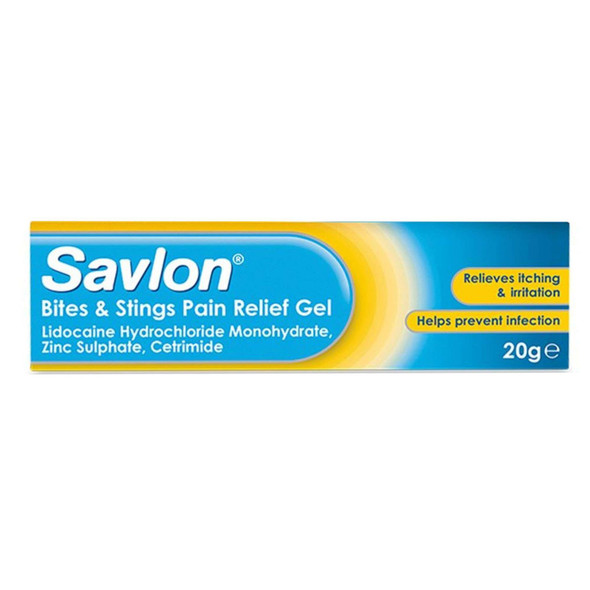
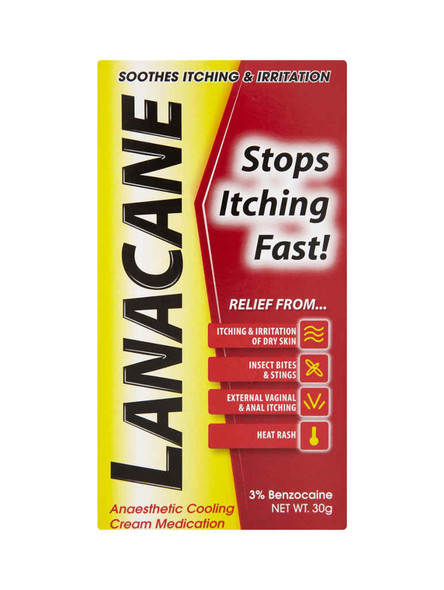
Insect bites and stings can cause itching, redness and irritation, and scratching can make skin feel more uncomfortable. This Insect Bites category on WithAid brings together commonly used pharmacy options to help manage symptoms, including bite and sting gels and creams, oral antihistamines for allergy-type itching (where suitable), and gentle first-aid essentials that can be useful if skin has been rubbed or broken.
To choose the right format, think about whether symptoms are local (one or two itchy areas) or more widespread, and always check age guidance and warnings on the label and patient information leaflet. If you’re unsure what’s appropriate—especially for children, pregnancy or breastfeeding, asthma/allergies, or if symptoms are worsening—ask a pharmacist or seek medical advice.
Shop by Insect Bites type
- Bite and sting relief gels
- Bite and sting relief creams
- Oral antihistamine tablets (where suitable)
- Oral antihistamine liquids/syrups (product dependent)
- Mild hydrocortisone creams for short-term inflammation relief (where appropriate)
- First-aid aftercare for scratched or irritated skin
Popular types of insect bite products
Popular options include soothing bite gels for cooling comfort, antihistamine creams for local itching (product dependent), and oral antihistamines that may help some people with broader allergy-type symptoms (where suitable). For travel and outdoor days, many shoppers also keep a compact applicator for on-the-go relief and a basic antiseptic/first-aid item to support simple aftercare if the skin has been scratched.
How to choose the right option
- Start with your main symptom: Local itch may suit a gel or cream; more general itching may suit an oral antihistamine if appropriate.
- Check age guidance carefully: Minimum ages and dosing differ by product—follow the pack and leaflet exactly.
- Use mild steroid creams cautiously: Only use as directed and for the shortest time stated; avoid broken or infected skin unless the leaflet says otherwise.
- Support the skin: Avoid scratching, keep nails short, and keep the area clean if the skin is broken.
- Know when to escalate: Rapidly spreading redness/heat, increasing pain, pus, fever, rapidly increasing swelling, or any facial/throat swelling, wheeze or breathing difficulty needs urgent medical advice.
Quick links: common needs
FAQs
What’s best for an itchy insect bite?
Many people start with a soothing gel or cream for local itching. If symptoms feel more widespread, an oral antihistamine may be considered if suitable for you. Always follow the label and patient information leaflet.
Are antihistamines suitable for insect bites and stings?
Antihistamines are commonly used for allergy symptoms and may help bite-related itching for some people, depending on the product. Check age guidance, warnings and interactions in the leaflet, and ask a pharmacist if you’re unsure.
Can I use hydrocortisone cream on an insect bite?
Some mild hydrocortisone creams are used short term for inflammation and itching from minor skin irritation, including bites, when used exactly as directed. Check minimum age guidance and avoid using on broken or infected skin unless the leaflet says otherwise.
What should I do if I’ve scratched a bite?
Gently clean the area, avoid further scratching, and consider basic first-aid aftercare if the skin is broken. Seek advice if redness spreads, the area becomes hot or very painful, or there is swelling, pus or fever.
When should I seek urgent help for a bite or sting?
Get urgent medical help if you have breathing difficulty, wheeze, dizziness/collapse, or swelling of the face, lips, tongue or throat. Also seek urgent advice if a reaction is rapidly worsening or you feel severely unwell.
What about tick bites and unusual rashes?
If you’ve had a tick bite and develop a spreading rash, flu-like symptoms, or you’re worried about infection, seek medical advice promptly. Don’t rely on self-treatment alone if you’re concerned.
What can I use for children’s insect bites?
Children’s suitability varies by product and ingredient, so check the minimum age on the pack and follow dosing instructions carefully. If a child is very unwell, symptoms are worsening, or you’re unsure what’s appropriate, ask a pharmacist or seek medical advice.
Safety information: This content is general guidance and does not replace medical advice. Always read labels and patient information leaflets and use products as directed. If symptoms are severe, worsening or persistent, or you’re unsure what’s suitable (especially for children, pregnancy/breastfeeding, or long-term conditions), speak to a pharmacist, NHS 111, or your GP. Call emergency services for signs of a severe allergic reaction or breathing difficulty.