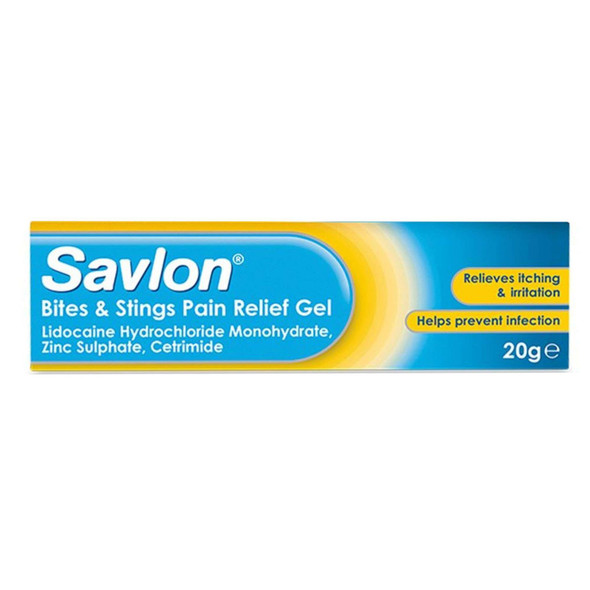
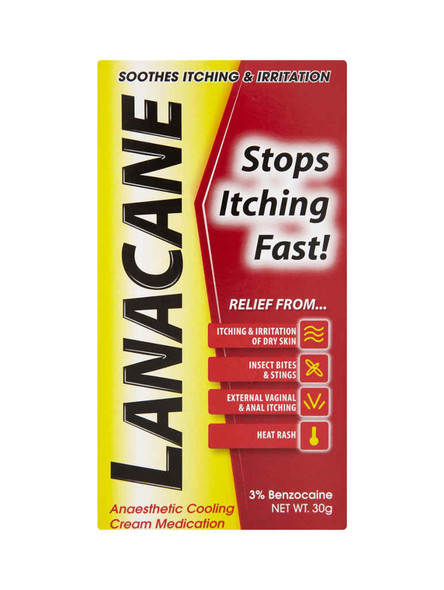
Shop jellyfish sting relief products at WithAid, a UK based and regulated pharmacy. Jellyfish stings can range from mild irritation to uncomfortable itching, redness and swelling, so the most suitable option often depends on whether you need targeted itch relief, support for more widespread symptoms, or help keeping scratched skin clean. This page features familiar pharmacy formats including antihistamine tablets, hydrocortisone creams for short-term use (where suitable), and antiseptic creams and liquids for minor first-aid cleansing.
Use products only as directed and always read the label and patient information leaflet. Avoid taking more than one antihistamine at the same time unless a pharmacist or prescriber advises it. For steroid creams (including hydrocortisone or clobetasone), apply thinly to small areas for short periods only and avoid broken or infected skin. Seek urgent medical help immediately if you develop breathing difficulty, wheezing, dizziness or fainting, or swelling of the face, lips, tongue or throat.
Shop by Jelly Fish Sting type
Popular types of jellyfish sting relief products
- Oral antihistamines: often chosen when itching or swelling feels more widespread or affects more than one area.
- Topical steroid creams: short-term options used on suitable skin to help calm itch and redness (follow the leaflet closely).
- Antiseptic creams and liquids: helpful if scratching has broken the skin and you want gentle cleansing and protection.
- Targeted bite-and-sting creams: commonly used for small, localised areas of itching (where suitable).
How to choose the right option
- Localised vs widespread symptoms: a targeted cream may suit a small area; an oral antihistamine may be considered for more generalised itching (where suitable).
- Itch without broken skin: consider a targeted relief option first; stop and seek advice if irritation worsens.
- Broken or scratched skin: prioritise gentle cleansing and an antiseptic option; avoid applying steroid creams to cuts or open wounds.
- Use steroid creams carefully: apply thinly, avoid covering with dressings unless advised, and do not use over large areas or for longer than recommended.
- Check suitability: age limits, pregnancy/breastfeeding advice, and interactions vary by product—ask a pharmacist if you’re unsure.
FAQs
What should I do straight after a jellyfish sting?
Move out of the water, avoid rubbing the area, and follow recognised first-aid guidance for stings. If you’re unsure what to do or symptoms are worsening, get advice from a pharmacist, NHS 111, or a clinician.
What products can help with itching after a jellyfish sting?
For small areas, people often choose a targeted bite-and-sting relief cream. For more widespread itching, an oral antihistamine may be suitable. Always follow the patient leaflet and check age guidance and warnings.
Can I use hydrocortisone or other steroid creams after a sting?
Some steroid creams can be used short-term on suitable skin to help calm itch and redness for minor reactions. Use thinly on small areas only, and do not use on broken or infected skin unless the leaflet says it’s appropriate.
Should I use an antiseptic after a sting?
If scratching has broken the skin, gentle cleansing and an antiseptic liquid or cream may help keep the area clean. If the site becomes increasingly painful, hot, swollen, or starts to ooze, seek advice as this may indicate infection.
Is it safe to take more than one antihistamine?
Avoid taking more than one antihistamine at the same time unless a pharmacist or prescriber has advised it. Check cold and flu products too, as some may contain an antihistamine ingredient.
When should I seek urgent medical help after a jellyfish sting?
Get urgent help immediately if there is breathing difficulty, wheezing, dizziness or fainting, severe widespread rash, or swelling of the face, lips, tongue or throat, or if a child is very unwell.
Important: This category information is general guidance and does not replace medical advice, diagnosis or treatment. Always read the label and patient information leaflet and use only as directed. If symptoms are severe, unusual, persistent, or you are pregnant/breastfeeding, buying for a child, or taking other medicines, speak to a pharmacist or GP. In an emergency, call 999 or attend A&E.