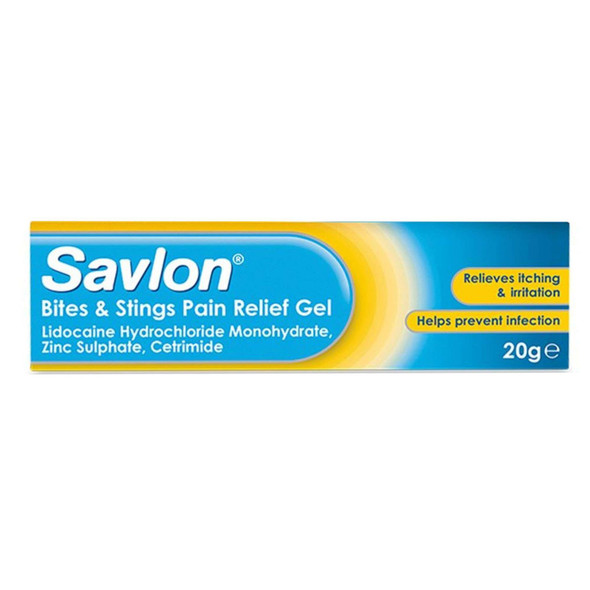
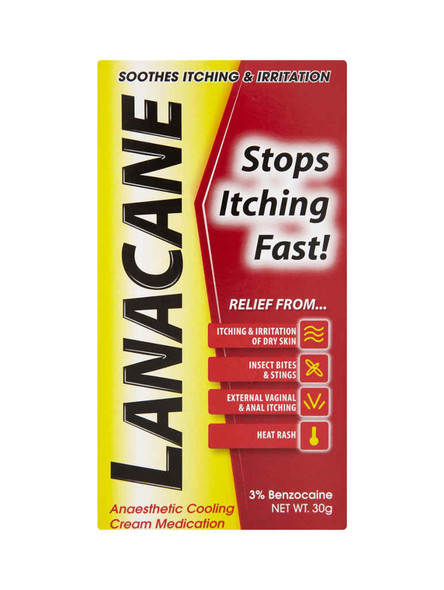
Mosquito bites can be irritating in the UK and abroad, and most people shop this category for three practical outcomes: rapid itch relief, calmer redness and swelling, and skin protection if scratching has broken the surface. The best option depends on how your skin is reacting—some bites are mainly itchy and raised, while others feel hot, tight or more swollen, especially after multiple bites.
For fast, targeted relief, many people choose a bite & sting cream, cooling gel or a portable bite relief pen for travel and on-the-go use. If you have several bites or widespread itching, an oral antihistamine (tablet or liquid) may be more practical. If the skin is broken, prioritise gentle cleansing and an appropriate antiseptic to help reduce the risk of infection. Always read the label for age guidance, where on the body the product can be used, and any drowsiness warnings.
Shop by mosquito bite relief type
Popular types of mosquito bite products
- Bite & sting relief creams for targeted itch and irritation
- Cooling gels for soothing larger areas
- Bite relief pens for handbags, school bags and travel kits
- Oral antihistamines (tablets or liquids) for widespread itch
- Antiseptic creams/liquids to cleanse and protect scratched skin
How to choose the right option
- Match the format to the moment: pen for on-the-go, gel for larger patches, cream for precise application.
- Choose by symptom: local itch often suits a topical option; multiple bites may suit an oral antihistamine.
- Protect broken skin: if scratching has broken the surface, prioritise cleansing and an appropriate antiseptic.
- Check “where to use” instructions: some products are not suitable for the face/eyes, intimate areas, or broken skin.
- Use hydrocortisone carefully: follow age limits and maximum duration, and avoid use on infected or broken skin unless advised.
- Reduce repeat irritation: keep nails short (especially for children) and consider protective clothing and insect repellent as directed when outdoors or travelling.
Quick links: common needs
FAQs
What’s the best first step after a mosquito bite?
Wash the area with soap and water and use a cool compress to help reduce itching and swelling. Avoid scratching where possible, as broken skin can increase the risk of infection.
How long do mosquito bites usually last?
It varies by person, but many bites settle over a few days. If symptoms are worsening, not improving, or the area becomes increasingly hot, painful or swollen, ask a pharmacist or GP for advice.
Should I use a cream/gel or take an antihistamine?
For a small, local itchy bite, many people start with a bite & sting cream, cooling gel or bite relief pen. If you have multiple bites or widespread itching, an oral antihistamine may be more practical. Always check labels and avoid taking more than one antihistamine at the same time unless advised by a pharmacist or prescriber.
Can I use hydrocortisone cream for mosquito bites?
Hydrocortisone 1% cream is sometimes used short-term for inflammation and itching, but it isn’t suitable for everyone. Follow pack directions, check age restrictions, avoid using on the face/eyes and on broken or infected skin, and don’t use for longer than the label recommends unless a clinician advises.
What if my mosquito bite looks infected?
Seek advice promptly if you notice spreading redness, warmth, worsening pain, pus, or you feel unwell (for example fever). A pharmacist or GP can advise on the most appropriate next steps.
Are mosquito bite treatments suitable for children?
Some options are suitable, but age limits and dosing vary. Use a product that states it’s appropriate for your child’s age and follow the instructions exactly. If a child has significant swelling, a widespread rash, or symptoms that worry you, speak to a pharmacist or GP.
When should I seek urgent medical help?
Get urgent help if there are signs of a severe allergic reaction such as breathing difficulty, wheezing, rapid swelling of the face/lips/tongue/throat, dizziness, or collapse. Also seek urgent advice if a bite near the eye causes significant swelling, pain, or any vision change.
Safety note: This page provides general shopping guidance and does not replace medical advice. Always read the label and patient information leaflet and use products only as directed. If you’re pregnant or breastfeeding, buying for a child, take regular medicines, or symptoms are severe, spreading, infected-looking or not improving, speak to a pharmacist or your GP. In an emergency, call 999 or attend A&E.