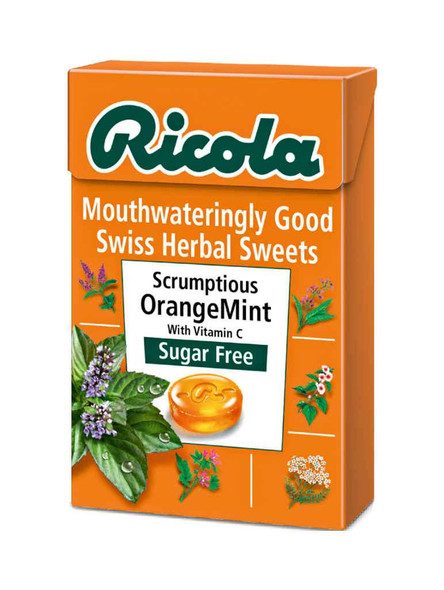
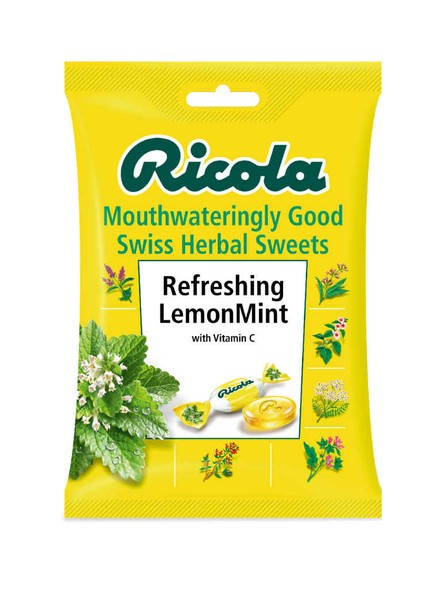
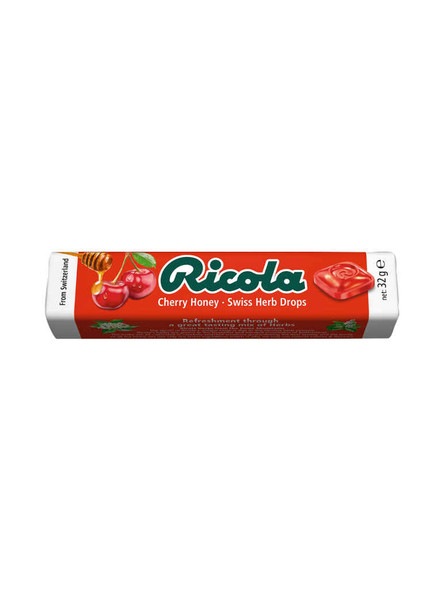
A night time cough can be especially disruptive because it breaks your sleep and can leave you feeling tired the next day. In this Night Time Cough category, you’ll find pharmacy products selected for short-term, symptom-focused support at bedtime, including night cough syrups and linctus, throat lozenges (including sugar-free options), and soothing balms or vapour rubs as part of a comforting routine. If your cough comes with other cold symptoms like a blocked nose or sore throat, there are also multi-symptom options to compare.
To choose well, match the product to what you’re experiencing: a dry, tickly cough (non-productive) is different to a chesty cough with mucus (productive). Many people also shop by “need states” such as tickly cough at night, mucus cough at night, cough with congestion, or children’s night cough. Always read the label and leaflet, follow dosing instructions, and check suitability if you’re buying for a child, pregnant or breastfeeding, managing a long-term condition, or taking other medicines. WithAid is a UK based and regulated pharmacy, and orders are sent in discreet packaging.
Shop by Night Time Cough type
Popular types of Night Time Cough products
Night cough syrups and linctus are commonly chosen for bedtime relief when coughing interrupts sleep; some night products may cause drowsiness, so check warnings before driving or using machinery. Lozenges and cough sweets can help soothe throat irritation that triggers a tickly cough, including sugar-free options where labelled. Balms and vapour rubs are a non-oral option some people prefer at night as part of a warm, comforting routine. If your cough seems linked to allergies or post-nasal drip, some shoppers also consider suitable allergy options based on label guidance.
How to choose the right option
- Identify your cough type: dry/tickly coughs are non-productive; chesty coughs involve mucus.
- Shop by your main need: tickly cough at night, mucus cough at night, cough with blocked nose, sore throat plus cough, or children’s symptoms.
- Day vs night matters: use night-labelled products at bedtime as directed and follow drowsiness advice.
- Avoid ingredient overlap: cold & flu products may include pain relief or antihistamines, so don’t combine similar ingredients unless the label says it’s safe.
- Check suitability: follow age guidance, and ask a pharmacist if pregnant/breastfeeding, taking regular medicines, or managing a long-term condition.
- Know when to get help: seek advice if symptoms are worsening, unusual, or not improving as expected.
Quick links: common needs
FAQs
Why does my cough feel worse at night?
Coughing can feel worse when you lie down because throat irritation is more noticeable, mucus can drip back into the throat, and congestion can make breathing feel uncomfortable. If you’re worried, speak to a pharmacist or your GP.
How do I know if my cough is dry or chesty?
A dry cough is usually tickly and non-productive (no phlegm). A chesty cough is productive and involves mucus/phlegm. If you’re unsure, a pharmacist can help you choose a suitable option.
Can night cough medicines make you drowsy?
Some night-time products can cause drowsiness. Always check the label and warnings, and do not drive or use machinery if you feel sleepy or affected.
Can I take a night cough syrup with cold & flu medicines?
Sometimes, but be careful: many cold & flu products contain overlapping ingredients (including pain relief such as paracetamol, or antihistamines). Always check the active ingredients and ask a pharmacist if you’re unsure.
Are night time cough remedies suitable for children?
Not all products are suitable for all ages. Only use medicines clearly labelled for your child’s age range and follow dosing instructions exactly. Seek advice for very young children or if symptoms are worsening.
When should I seek urgent medical help for a cough?
Seek urgent help if you have difficulty breathing, chest pain, coughing up blood, signs of a severe allergic reaction, or if a child is very unwell. If in doubt, contact NHS 111, or in an emergency call 999 or attend A&E.
Safety note: This information is general guidance and does not replace medical advice, diagnosis or treatment. Always read the label and patient information leaflet and use medicines as directed. Do not exceed the stated dose. If you are pregnant or breastfeeding, buying for a child, taking other medicines, or symptoms are severe, unusual, or persistent, speak to a pharmacist or GP.