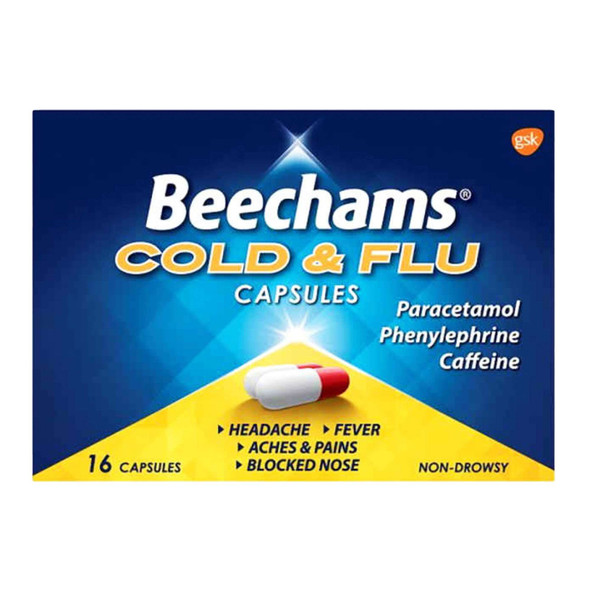
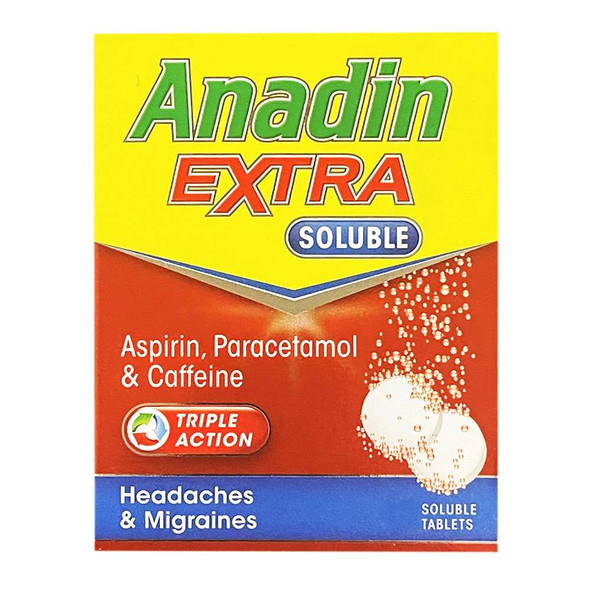
Pain relief can mean anything from a tension headache to short-term toothache discomfort, muscle and joint aches after activity, or period cramps. In this category you’ll find a broad mix of over-the-counter formats, including tablets and capsules, soluble (drinkable) pain relief, topical gels and creams, patches, and supportive options such as heat and massage aids.
To choose the right option, start with the type and location of pain, then check the active ingredient and a format you’re most likely to use correctly. Many people compare everyday ingredients like paracetamol (often used for pain and fever) and anti-inflammatory options such as ibuprofen (where suitable). WithAid is a UK-based regulated pharmacy and aims to make ordering straightforward, with discreet delivery. Always read the label and patient information leaflet, follow the stated dose, and check suitability if you take other medicines, have a long-term condition, or are pregnant or breastfeeding.
Shop by Pain Relief type
Popular types of pain relief products
Tablets and capsules are common choices for everyday aches and pains, with a mix of standard, fast-acting and longer-lasting options depending on the product. Soluble pain relief offers a drinkable format that some people prefer. For localised discomfort, topical gels and creams can be applied directly to the area, while patches and supportive aids (such as heat pads) may help alongside rest and gentle movement where appropriate. Children’s formulations provide age-appropriate options where indicated, with dosing guidance on the pack.
How to choose the right option
Match the product to the pain type (for example, head pain vs localised muscle soreness) and your preferences on format. Check the active ingredient and avoid taking two products with the same ingredient at the same time (including some cold and flu remedies). Review age guidance, maximum daily dose, and suitability notes for pregnancy, breastfeeding, stomach conditions, asthma, kidney problems, allergies, or regular medicines (including blood thinners). Use the lowest effective dose for the shortest time. If pain is severe, unusual, persistent, keeps returning, or follows an injury, ask a pharmacist or GP for advice.
Quick links: common needs
FAQs
What’s the difference between paracetamol and ibuprofen?
Paracetamol is commonly used for everyday pain and fever. Ibuprofen is a non-steroidal anti-inflammatory (NSAID) option that some people consider when inflammation may be involved, but it isn’t suitable for everyone. Always check the label and warnings.
Can I take more than one pain relief product together?
Be cautious. Do not take two products containing the same active ingredient at the same time (including some cold and flu remedies). If you’re unsure about combining products, ask a pharmacist to check suitability and dosing.
How do I choose between tablets, soluble options, and topical gels?
Oral options are often chosen for general aches and pains, while topical products can suit localised muscle or joint discomfort. Soluble formats can be easier to take for some people. The best choice depends on the ingredient, the label guidance, and what’s suitable for you.
Which pain relief products are suitable for children?
Use children’s products that match the child’s age (and where relevant, weight) and follow dosing instructions carefully. Avoid adult formulations unless the pack clearly states they’re suitable for children.
What should I consider for toothache pain relief?
Short-term pain relief can help manage discomfort while you arrange dental care. If you have swelling, fever, worsening pain, or difficulty swallowing or breathing, seek urgent medical or dental advice.
When should I seek urgent help for pain?
Seek urgent medical help for chest pain, breathing difficulty, signs of a severe allergic reaction, facial droop, sudden weakness on one side, a sudden severe headache, or significant injury. If pain is persistent or worsening, speak to a pharmacist or GP.
Safety note: Always read the label and follow the directions on the pack. Do not exceed the stated dose, and avoid combining products with the same active ingredient. If symptoms worsen, don’t improve with short-term use, or you’re unsure what’s suitable, speak to a pharmacist, GP, or dentist as appropriate.