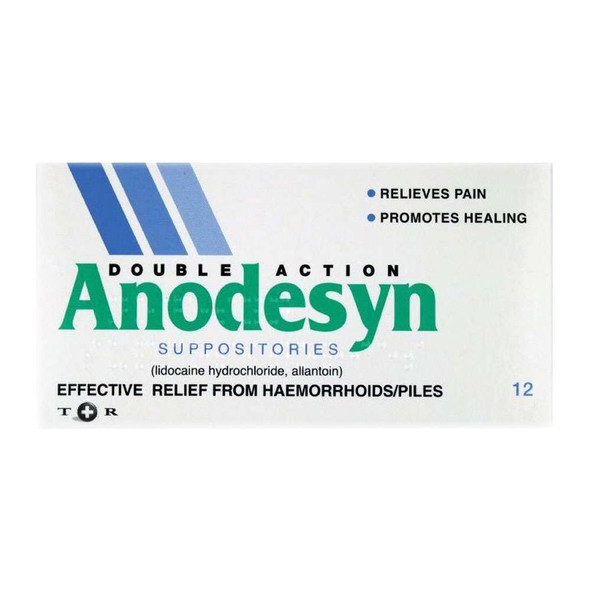
Shop piles (haemorrhoids) treatments online from WithAid, a UK based and regulated pharmacy. This category brings together common piles treatment formats to help manage symptoms such as itching, soreness, swelling and discomfort, with options for both external and internal piles. If symptoms are mainly external, a cream, ointment or cooling gel is often the most practical starting point; if symptoms feel more internal, a suppository format may be more suitable.
Alongside treatment, simple routines like a higher-fibre diet, staying well hydrated and avoiding straining can support longer-term comfort. Orders are sent via Royal Mail in discreet packaging, with fast, free delivery on orders over £20. Always read the label and leaflet, follow the stated directions, and check suitability if you’re pregnant or breastfeeding, buying for someone else, or taking regular medicines. If bleeding is heavy, pain is severe, or symptoms keep coming back, seek advice from a pharmacist or your GP.
Shop by piles type
- External piles: creams and ointments to soothe and protect irritated skin
- Cooling gels: lighter-feel options for itching and discomfort
- Internal piles: suppositories designed for internal application
- Lubricating support: options that may help make bowel movements more comfortable
- Prevention and long-term comfort: fibre and hydration focused support alongside suitable treatment
Popular types of piles treatments
Creams and ointments are commonly chosen for external symptoms, especially when the area feels sore or irritated. Cooling gels can be a good fit if you prefer a lighter application and cooling sensation. Suppositories are designed for internal use and may be considered when symptoms feel more internal. If straining is part of the issue, some people also use fibre products to support softer, easier-to-pass stools alongside appropriate pharmacy treatment and self-care.
How to choose the right option
Start with where the symptoms are: external (around the anus) vs internal (inside the rectum). Then match the format: external discomfort often suits a cream, ointment or gel; internal symptoms may suit a suppository; if hard stools or straining are contributing, consider fibre and hydration support. Check the label for age guidance, pregnancy/breastfeeding suitability and interaction warnings. Use for the recommended duration only, and avoid combining multiple piles medicines unless the packaging (or a pharmacist) confirms it’s appropriate. If symptoms persist, worsen, or you’re unsure what to choose, speak to a pharmacist or your GP for tailored advice.
Quick links: common needs
FAQs
What’s the difference between internal and external piles?
External piles are around the outside of the anus and can feel itchy, sore or swollen. Internal piles are inside the rectum and may cause discomfort or bleeding. Product formats are often labelled for internal or external use, so follow the pack guidance.
Which format should I choose: cream, ointment, gel or suppository?
Creams, ointments and gels are generally used for external symptoms, while suppositories are designed for internal use. Choose based on where your symptoms are and which application method you can use comfortably and correctly.
How long should I use piles treatments for?
Use for the duration stated on the label or leaflet. If symptoms don’t improve within the recommended time, keep returning, or worsen, seek advice from a pharmacist or your GP rather than continuing indefinitely.
Can constipation or straining make piles worse?
For some people, hard stools and straining can aggravate piles. Alongside appropriate treatment, hydration and fibre-focused habits may help, and suitable constipation relief options can be considered if needed.
When should I seek medical advice for piles?
Speak to a pharmacist or GP if symptoms are severe, recur frequently, or don’t improve after using treatment as directed. Get urgent medical help if you have heavy bleeding, feel faint or dizzy, pass black or tarry stools, or develop sudden severe pain.
Can I use piles treatments during pregnancy or breastfeeding?
Not all products are suitable. Check the label carefully and ask a pharmacist or GP for advice before using any medicine during pregnancy or breastfeeding.
Safety information: This content is for general guidance and does not replace medical advice, diagnosis or treatment. Always read the label and patient information leaflet and use medicines as directed. If you’re unsure what to choose, have persistent or worsening symptoms, or bleeding concerns you, speak to a pharmacist or your GP. In an emergency, call 999 or attend A&E.