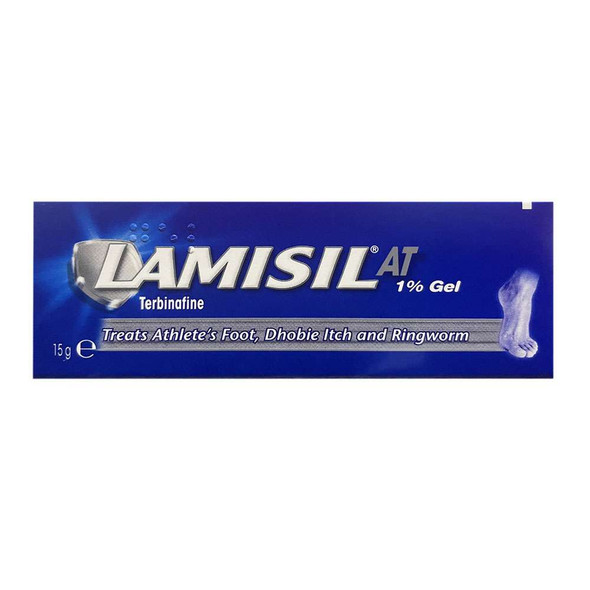
Shop ringworm (tinea) treatments from WithAid, a UK based and regulated pharmacy. Ringworm is a contagious fungal skin infection that can affect the body, groin, feet, scalp or nails, and it may look like itchy, red, scaly patches that can be ring-shaped. It can spread through close contact, shared towels or clothing, and contaminated surfaces, so choosing an appropriate antifungal format and following good hygiene can help reduce onward spread.
This category includes over-the-counter antifungal options in practical formats: creams for defined patches, solutions for wider or awkward areas, sprays for quick, minimal-touch coverage, and powders to support moisture control in socks and shoes. Treatment is commonly used for a course measured in weeks (often 2–4 weeks depending on the product and area), so pick an option you can use consistently and follow the pack instructions for the full course even if symptoms improve sooner. WithAid offers fast, free delivery on order over £20, with orders sent Royal Mail in discreet packaging.
Shop by Ringworm type
- Antifungal creams (for defined skin patches)
- Antifungal solutions (for wider or hard-to-reach areas)
- Antifungal sprays (for quick, minimal-touch coverage)
- Antifungal powders (to support moisture control in footwear)
Popular types of antifungal products
- Topical antifungal creams: targeted application for small, localised areas.
- Medicated solutions: helpful when a liquid is easier to apply evenly across a broader area, skin folds, or around body hair.
- Antifungal sprays: convenient for faster coverage with minimal rubbing, which can suit larger or hairy areas.
- Medicated powders: can support moisture control in socks and shoes as part of a routine, often alongside a main topical antifungal where suitable.
How to choose the right option
- Choose by location: creams often suit defined body patches; sprays can suit larger or hairy areas; solutions can suit creases and awkward areas; powders can support moisture control in footwear.
- Plan for consistency: treatment is commonly used for 2–4 weeks depending on the product and area, so choose a format you can apply as directed for the full course.
- Check suitability: follow age guidance and label warnings (including pregnancy/breastfeeding). Ask a pharmacist if you’re unsure.
- Reduce spread: wash hands after application, avoid sharing towels/clothing, keep the area clean and dry, change towels regularly, and wash bedding/clothes regularly.
- Common mix-ups: eczema or contact irritation can look similar. If you’re unsure what you’re treating, ask a pharmacist or GP for advice rather than guessing.
- Get advice first when needed: suspected scalp or nail involvement, widespread rash, rapid spread, or persistent symptoms may need professional assessment.
Quick links: common needs
FAQs
What causes ringworm?
Ringworm is caused by fungi that can spread via direct contact with infected people or animals, and from contaminated surfaces or shared items such as towels or clothing.
Can ringworm be treated at home?
Mild infections often respond to OTC antifungal creams, solutions, sprays, or powders used as directed. If symptoms are persistent, widespread, or keep coming back, seek advice from a pharmacist or GP.
How long does treatment usually take?
Treatment is commonly used for 2–4 weeks depending on the product and area. Complete the full course stated on the pack even if symptoms improve sooner.
Which format should I choose: cream, spray, solution or powder?
Creams are useful for defined patches. Sprays or solutions can be easier for larger, awkward, or hairy areas. Powders may support moisture control in socks and shoes as part of a routine where suitable.
How do I know it’s ringworm and not eczema or irritation?
Some rashes can look similar. Ringworm may have a scaly edge and can spread outward, while eczema or irritation can be more variable. If you’re unsure, ask a pharmacist or GP for advice.
What if it affects the scalp or nails?
Scalp or nail involvement often needs professional assessment and may require a different approach than standard OTC creams or sprays. Speak to a pharmacist or GP if you suspect the scalp or nails are affected.
What are red flags that need urgent medical advice?
Get urgent help if you develop fever, rapidly worsening redness, swelling, warmth, pus, severe pain, or you feel very unwell, as these may indicate a secondary infection or another condition that needs assessment.
Safety information: This content is for general guidance and does not replace professional medical advice. Always read the label and patient information leaflet and use medicines as directed. If you’re unsure what you’re treating, speak to a pharmacist, contact your GP, or call NHS 111.