Scratches and minor grazes are everyday first-aid issues, and most can be managed at home with a simple routine: gently clean the area, use an appropriate antiseptic product if needed, and protect the skin from dirt and friction while it settles. This Scratches category brings together practical pharmacy essentials for superficial skin breaks, including antiseptic creams and antiseptic liquids, plus soothing and protective options that can help keep surrounding skin comfortable.
People shopping for scratches treatment online are usually looking for one of three outcomes: cleansing after everyday bumps, playtime or outdoor activity; a targeted antiseptic cream for minor cuts and grazes; or a protective barrier-style cream to help reduce rubbing on high-friction areas like hands, feet, knees and elbows. Always follow the label, use on external skin only as directed, and ask a pharmacist or GP for advice sooner if you have diabetes, poor circulation, reduced immunity, or the scratch is deep, near the eye, or caused by an animal or human bite.
Shop by scratches type
Popular types of products
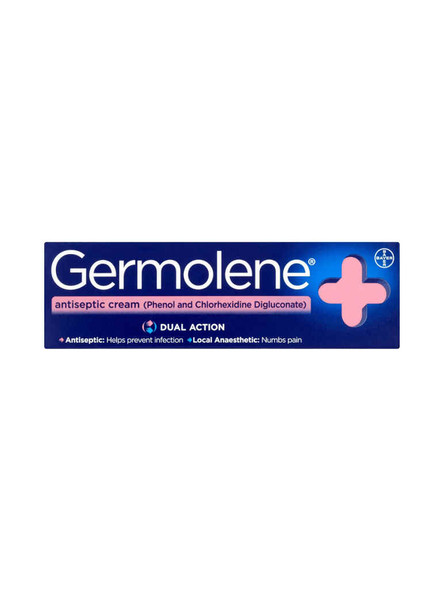
- Antiseptic creams for targeted application to minor cuts, grazes and scratches
- Antiseptic liquids for cleansing (some require dilution or careful use)
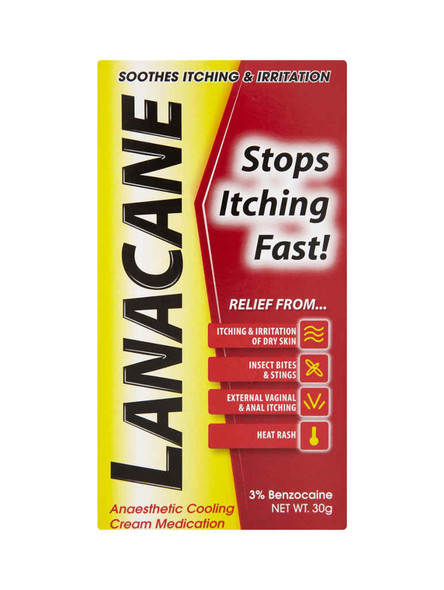
- Soothing gels for comfort when skin feels itchy or irritated
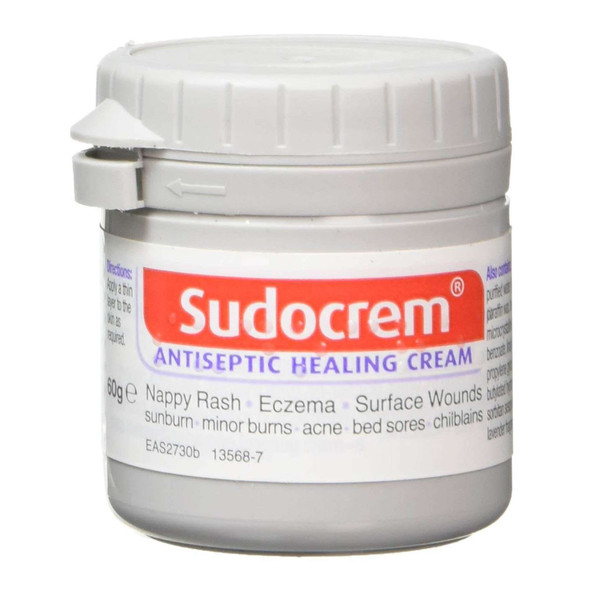
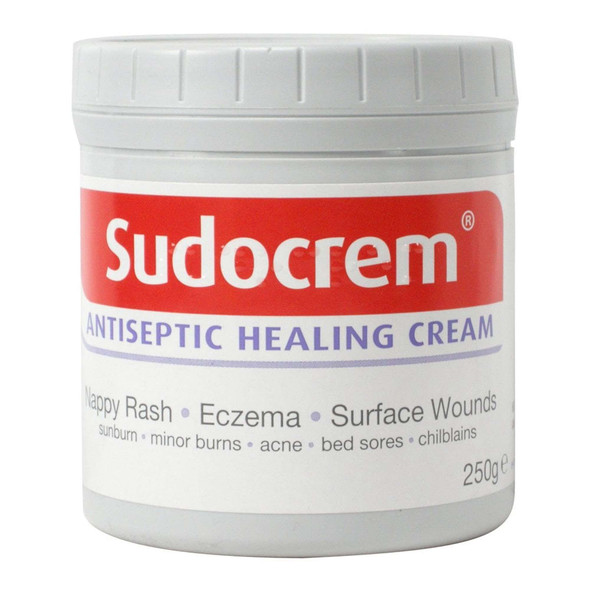
- Protective creams that help form a barrier to reduce rubbing on vulnerable areas
- Styptic pencils for small shaving nicks and minor bleeding
How to choose the right option
- Cleanse first: rinse with clean water and gently clean around the area; use antiseptic products only as directed on the pack.
- Choose the right format: liquids for cleansing, creams for precise application, gels for soothing comfort.
- Plan for friction: hands, feet and joints often benefit from extra protection to reduce rubbing and repeated washing.
- Check suitability: review age guidance for children, allergy warnings, and pregnancy/breastfeeding advice before use.
- Keep it simple: avoid layering multiple similar antiseptic products unless the label advises it.
- Know when to seek advice: deep wounds, embedded debris, bites, worsening redness, pus, fever, red streaks, or increasing pain should be assessed.
Quick links: common needs
FAQs
What should I do first when I get a scratch?
Rinse the area with clean water, wash around it with mild soap, and pat dry. If you use an antiseptic product, follow the label directions and apply only to external skin as instructed.
Is an antiseptic cream or an antiseptic liquid better for scratches?
They’re used differently. Antiseptic liquids are often used for cleansing (some require dilution), while antiseptic creams are commonly used for targeted application to minor cuts and grazes. Always follow the pack instructions.
How do I choose between a soothing gel and a protective cream?
Choose a soothing gel when the surrounding skin feels itchy or irritated. Choose a protective cream when you want a barrier to help reduce rubbing, especially on hands, feet or areas under clothing. Stop using any product that causes irritation.
Should I cover a scratch or leave it open?
Many minor scratches do well when kept clean and protected from rubbing and dirt. If you cover it, keep the area clean and change any dressing regularly, following any product advice on the label.
What if a scratch is dirty or caused by an animal?
Scratches from animals or contaminated surfaces can carry a higher infection risk. Clean the area promptly and seek advice from a pharmacist or GP, particularly if the skin is broken, you’re immunosuppressed, or your tetanus vaccination may not be up to date.
How can I tell if a scratch might be infected?
Look for increasing redness, warmth, swelling, pus, worsening pain, red streaks from the area, or fever. If any of these occur, or the scratch isn’t improving, seek medical advice.
Safety information: This content is general guidance and does not replace medical advice. Always read the label/leaflet before use and use products only as directed. If symptoms are severe, worsening or not improving, speak to a pharmacist or contact your GP/NHS 111.