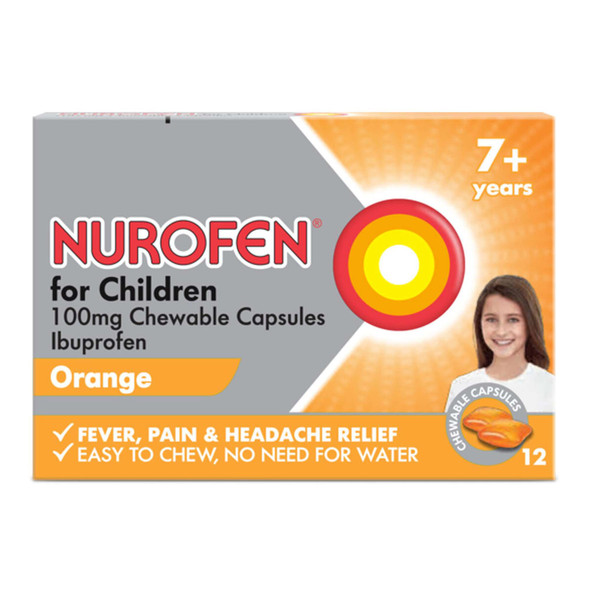
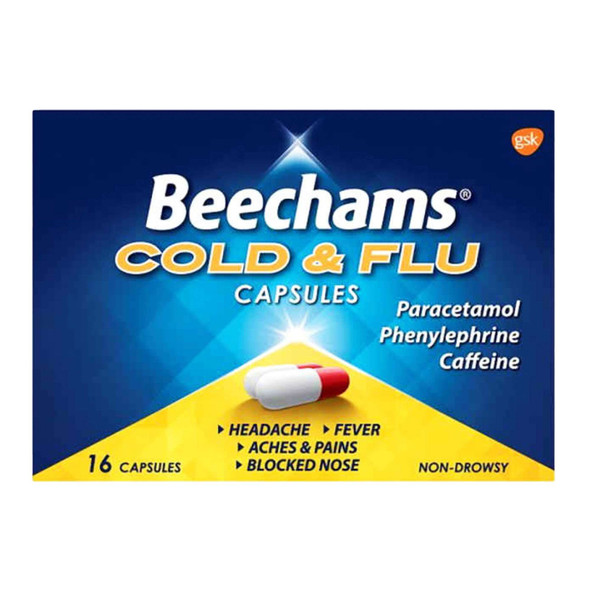
Sinus pain can feel like pressure or tenderness across the forehead, cheeks or behind the nose, often alongside a blocked nose, runny nose, facial tenderness or a headache-like ache. It’s commonly linked to colds and flu, allergies (including hayfever) or sinusitis. When shopping for sinus pain relief, the aim is usually to manage symptoms safely and comfortably by choosing a format that matches what you’re experiencing.
This page brings together sinus pain tablets and capsules, cold & flu sachets and nasal options such as saline sprays. Compare ingredients, strengths, pack sizes and formats, and always read the label for age guidance, warnings and interactions—especially if you take other medicines, are pregnant or breastfeeding, or have an existing health condition. Withaid highlights that it’s a UK based and regulated pharmacy, with free delivery on orders over £20 and orders sent via Royal Mail in discreet packaging.
Shop by sinus pain type
Popular types of sinus pain relief products
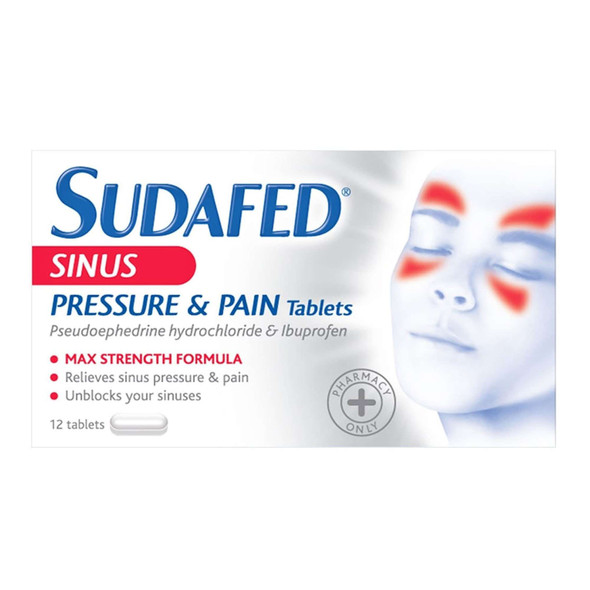
- Sinus pain tablets (for pressure and headache-style discomfort)
- Sinus capsules (convenient oral formats for symptom-led support)
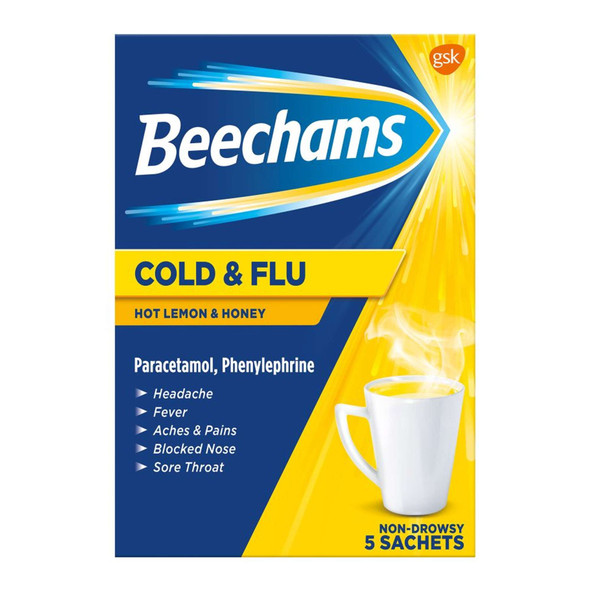
- Cold & flu sachets (hot drink powders for multi-symptom comfort)
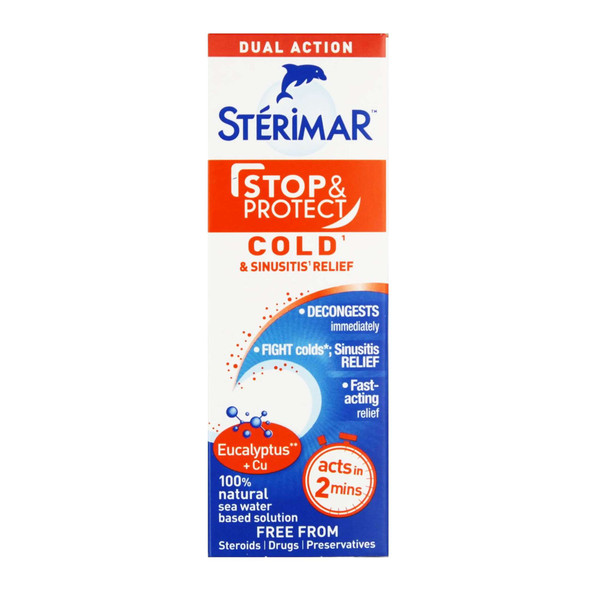
- Saline nasal sprays (drug-free moisture and gentle rinsing support)
- Congestion sprays (use exactly as directed on the label)
How to choose the right option
- Match the product to your main symptom: facial pressure, blocked nose, cold/flu symptoms, or allergy triggers.
- Check active ingredients before combining products: avoid doubling up on the same ingredient (for example, paracetamol).
- Consider suitability first: some options may not be suitable if you have high blood pressure, asthma, stomach ulcers, kidney problems, or take other medicines.
- Pick a format you’ll use correctly: tablets/capsules for convenience, sachets for multi-symptom comfort, or sprays for targeted nasal support.
- Follow dose and duration guidance: use the lowest effective dose for the shortest time and stick to label directions.
- For children: use age-appropriate products only and follow dosing instructions exactly.
Quick links: common needs
FAQs
What causes sinus pain and pressure?
Sinus pain is commonly linked to congestion and irritation in the nasal and sinus passages. It may occur with colds and flu, allergies (including hayfever) or sinusitis, and can feel like facial pressure, tenderness and headache-like discomfort.
Is sinus pain the same as sinusitis?
Not always. Sinus pain describes a symptom (pressure or facial discomfort). Sinusitis is inflammation of the sinuses that can follow a cold or be linked to allergies. If symptoms are severe, persistent or worsening, speak to a pharmacist or contact your GP.
Are sinus tablets or nasal sprays better?
It depends on your symptoms. Nasal sprays work locally in the nose and may be preferred when congestion is your main issue. Tablets or capsules may be chosen when you also have headache-style discomfort. Saline sprays are a gentle, drug-free option; medicated sprays should only be used as directed on the label.
Can I take sinus products with cold and flu remedies?
Sometimes, but check ingredients carefully. Many cold & flu products already include pain relief or decongestant ingredients, so avoid taking two products that contain the same active ingredient (such as paracetamol). If you’re unsure what’s safe to combine, ask a pharmacist.
What’s the difference between sinus symptoms, a cold and allergies?
Sinus pressure can occur with colds and flu, allergies, or sinusitis. Colds often come with a sore throat or cough, while allergies may be linked to sneezing, itchy eyes and seasonal triggers. If you’re unsure what’s driving your symptoms, a pharmacist can help you choose a suitable option.
How long can I use a decongestant nasal spray?
Always follow the label directions and do not use for longer than recommended. Decongestant sprays are typically intended for short-term use only. If you still feel congested after the advised duration, speak to a pharmacist or GP for guidance on next steps and alternatives.
When should I get medical advice for sinus symptoms?
If symptoms are not improving after around 7 days, keep returning, or are getting worse, speak to a pharmacist or contact your GP. Seek urgent medical help if you have severe swelling around the eye, severe pain, or you feel seriously unwell.
Important: This content is for general shopping guidance only and does not replace medical advice. Sinus pain relief medicines are not suitable for everyone. Always read the label and leaflet before use. If you are pregnant or breastfeeding, have a medical condition, take other medicines, or symptoms persist, worsen or worry you, ask a pharmacist or contact your GP for advice.