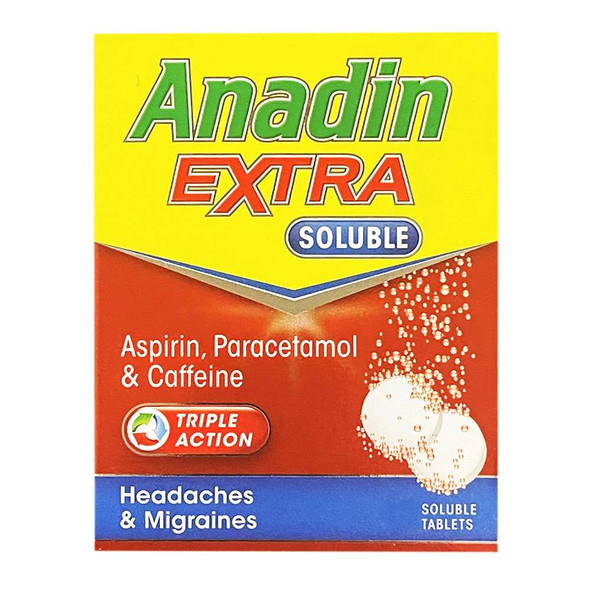
A sprain is an injury to a ligament (the strong tissue that supports a joint), often after a twist, slip or awkward landing. On this Sprain page you’ll find pharmacy products commonly used for short-term pain relief and everyday comfort for sprains affecting areas like the ankle, wrist, knee, elbow or shoulder. The range shown here focuses on topical formats you apply to the skin (gels, creams, roll-ons and pain relief patches/plasters), alongside oral pain relief tablets for short-term use when appropriate.
Always read the product label and patient information leaflet before use. Check age limits, pregnancy/breastfeeding advice, allergies, and medicine interactions—especially if you take regular medicines or have long-term conditions. WithAid is a UK based and regulated pharmacy, with orders sent by Royal Mail in discreet packaging and free delivery on orders over £20. If you’re unsure what’s suitable, ask a pharmacist for advice.
Shop by sprain type
Popular types of sprain treatment products
- Anti-inflammatory gels (where suitable): topical ibuprofen or diclofenac gels used on the affected area as directed.
- Cooling gels and roll-ons: targeted, local application formats many people prefer for on-the-go use.
- Warming creams: rub-in creams that create a warming sensation for comforting massage-style application.
- Pain relief patches/plasters: medicated patches designed for targeted application to a specific area.
- Oral pain relief tablets: short-term options chosen based on suitability and pack directions.
How to choose the right option
- Decide topical vs tablets: topicals suit localised areas; tablets may suit broader short-term pain relief if appropriate for you.
- Check suitability and interactions: some anti-inflammatory medicines (topical or oral) are not suitable for everyone, including some people with asthma, stomach ulcers, kidney problems, or those taking certain medicines.
- Avoid doubling up: don’t take more than one product with the same active ingredient (including paracetamol across multiple medicines).
- Use correctly: follow dose/application limits, avoid broken or irritated skin unless the leaflet says it’s suitable, and wash hands after applying topical products.
- Know when to get help: seek advice if pain is severe, symptoms are not improving, or you’re unsure what’s suitable for you.
Quick links: common needs
FAQs
What products are commonly used for a sprain?
Many people choose topical gels, creams, roll-ons or medicated patches/plasters for targeted application to the affected area, and may use oral pain relief tablets for short-term relief where suitable. Always read the label and leaflet.
Should I choose a topical gel/cream or tablets?
Topicals are applied to a specific area, while tablets work throughout the body. The best choice depends on where the sprain is, your preference, and whether a product is suitable for you (including other medicines you take and your medical history).
Can I use more than one pain relief product at the same time?
Sometimes, but you must avoid duplicating active ingredients and exceeding stated doses. If you’re unsure—especially when combining an anti-inflammatory product with tablets—ask a pharmacist for guidance.
How long does a sprain take to improve?
Recovery time varies by severity and the joint affected. Some mild sprains may start to settle over days, while others take longer. If symptoms aren’t improving, keep returning, or you’re worried about the injury, seek advice.
When should I seek urgent medical help for a sprain?
Seek urgent help if you cannot bear weight, there is severe or worsening pain, major swelling, deformity, numbness/tingling, the joint feels unstable, you suspect a fracture, or you feel unwell with increasing heat/redness around the area.
Are sprain treatments suitable in pregnancy or breastfeeding?
Not all products are suitable. Always check the label and speak to a pharmacist or GP before using pain relief medicines or topical treatments during pregnancy or breastfeeding.
Safety information: This content is for general shopping support only and does not replace medical advice. Always read the product label and patient information leaflet before use. If symptoms persist, worsen, or you have red-flag symptoms, speak to a pharmacist, contact your GP, or seek urgent medical help (NHS 111 can advise if you’re unsure what to do).