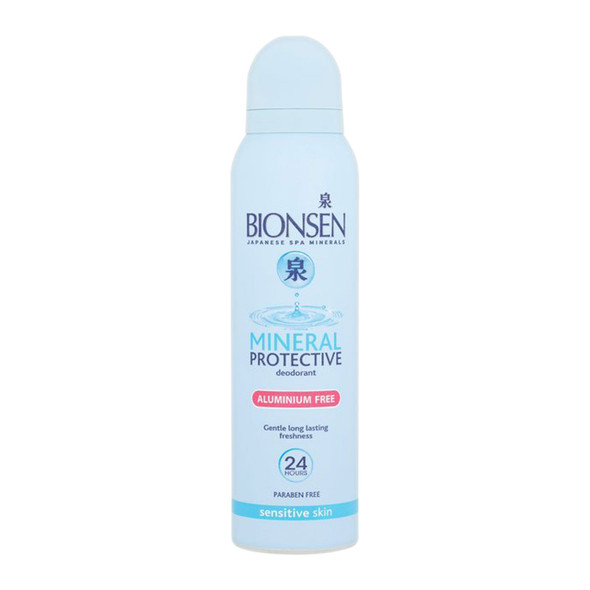
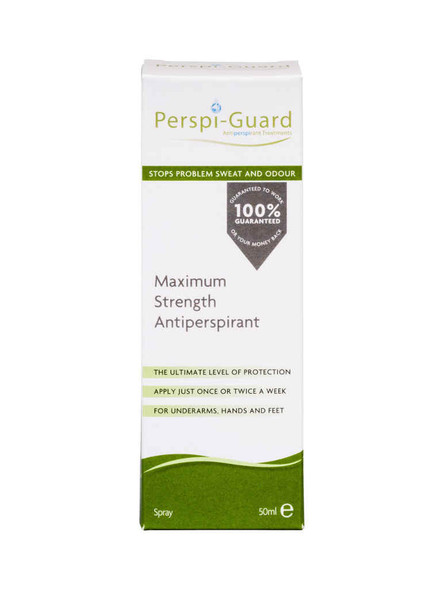
Excessive sweating (hyperhidrosis) can be uncomfortable and disruptive, especially in everyday problem areas like underarms, hands and feet. This Sweating category brings together pharmacy products commonly used to help manage wetness, odour, or both as part of a routine. Browse popular formats including roll-ons, sprays, sticks and gels, plus aluminium-free deodorants for those who prefer that style. You’ll find well-known brands stocked in this range, including Perspirex, Driclor, Odaban, Dermal and Bionsen.
Choose by what you need most: wetness reduction, odour control, or a combination. Always read the label and use products as directed. Apply only to clean, completely dry, unbroken skin, and stop use if significant irritation occurs. If sweating is new, sudden, getting worse, or affecting daily life — or if it happens alongside symptoms such as fever, unexplained weight loss, chest pain, breathlessness, dizziness, or drenching night sweats — seek medical advice.
Shop by Sweating type
- Antiperspirants for heavier sweating
- Deodorants for everyday odour control
- Hyperhidrosis-focused options
- Underarm, hand and foot routines
- Fragrance-free and aluminium-free choices
Popular types of products
- Roll-ons: targeted application for underarms and smaller areas
- Sprays: quick, even coverage for wider areas (often chosen for feet)
- Sticks: portable formats for simple daily routines
- Gels: an alternative texture some people prefer for controlled application
- Higher-strength treatments: stronger options that may have different timing or frequency directions
How to choose the right option
Start with your priority: wetness reduction, odour control, or both. Match the format to where you sweat most (underarms, hands or feet) and how often you’re happy to apply. If you’re prone to sensitivity, consider fragrance-free options, introduce stronger products gradually, and avoid applying right after shaving. Check age guidance and suitability if you are pregnant or breastfeeding, and review warnings if you have eczema, broken skin, allergies, or take regular medicines.
- Wetness-first: choose an antiperspirant and follow pack directions carefully.
- Odour-first: choose a deodorant format you’ll use consistently.
- Hands and feet: check the label for approved areas of use and application advice.
Quick links: common needs
FAQs
What’s the difference between deodorant and antiperspirant?
Deodorants are designed to help manage body odour. Antiperspirants are designed to reduce sweating as well as odour. Some products combine both benefits—check the label and product details.
Can I use sweating treatments on hands and feet?
Many products can be used on hands and feet, but directions vary by brand and strength. Check the label for approved areas of use and follow the instructions carefully.
How can I reduce stinging or irritation?
Apply only to clean, completely dry, unbroken skin. Avoid applying right after shaving, use a thin layer, and introduce stronger products gradually. Stop use if irritation is significant or persists.
When should I apply higher-strength antiperspirant treatments?
Some higher-strength products are designed to be applied at specific times and may be used less often than daily deodorants. Always follow the pack directions, as timing and frequency can differ by product.
Are aluminium-free deodorants a good choice?
Aluminium-free deodorants can be useful for odour control, but they typically won’t reduce sweating in the same way antiperspirants do. Choose based on whether wetness reduction is a priority.
When should I speak to a pharmacist or GP about sweating?
Seek advice if sweating is new, sudden, worsening, severe, affecting daily life, or linked with symptoms such as fever, unexplained weight loss, chest pain, breathlessness, dizziness or drenching night sweats.
Important: This content is for general guidance and does not replace medical advice, diagnosis or treatment. Always read the label and use products as directed. Do not apply to broken or irritated skin. If you are pregnant or breastfeeding, buying for a child, taking other medicines, have a skin condition, or symptoms are severe, unusual or persistent, speak to a pharmacist or GP. In an emergency, call 999 or attend A&E.