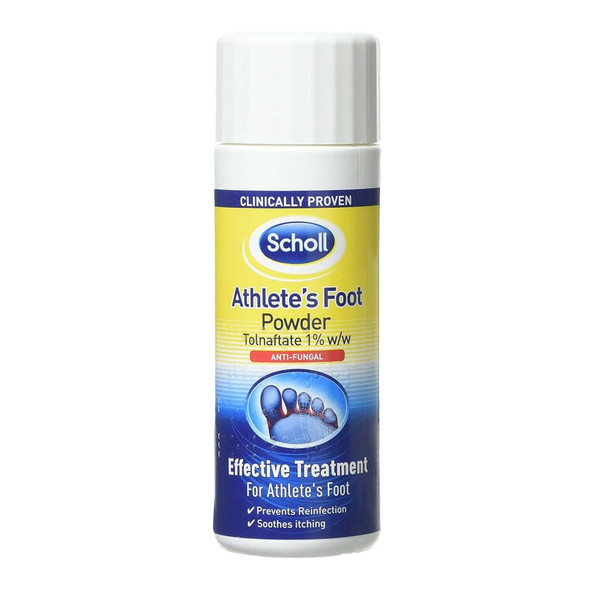
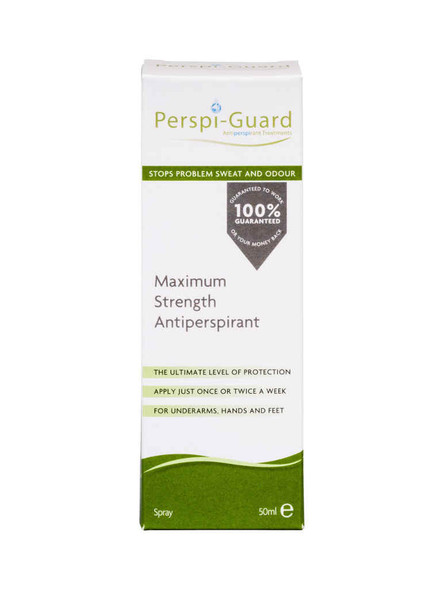
Sweaty feet can be uncomfortable, contribute to foot odour, and leave shoes feeling damp—especially in closed footwear, on long workdays, or when you’re active. This Sweaty Feet category focuses on practical pharmacy formats that help you manage moisture and freshness as part of a simple routine: foot powders for absorbency, deodorising sprays for quick daily use, foot creams for comfort and conditioning, and foot baths/soaks to support regular foot care. You’ll also see products commonly chosen when sweaty feet overlap with symptoms that may suggest athlete’s foot.
WithAid is a UK based and regulated pharmacy, offering fast, free delivery on orders over £20, with orders sent Royal Mail in discreet packaging. If you have diabetes, poor circulation, reduced sensation, or your feet are cracked, very sore, inflamed, or oozing, seek pharmacist advice before choosing a product.
Shop by Sweaty Feet type
- Foot powders
- Foot deodorant sprays
- Foot creams
- Foot baths and soaks
- Clinical-strength antiperspirant options (used as directed)
- Athlete’s foot treatments (when symptoms suggest a fungal cause)
Popular types of sweaty feet products
Foot powders help absorb moisture in socks and shoes, which may support odour control by keeping skin drier. Deodorising foot sprays are a convenient everyday option for freshness before socks and shoes. Foot baths and soaks can be used occasionally to freshen and soften feet—often followed by moisturising. Foot creams can support comfort if skin feels dry or prone to rubbing, helping you keep up a consistent routine. If you also have persistent itching, peeling, cracking, or soreness between toes, antifungal (athlete’s foot) treatments may be more appropriate than deodorising products alone.
How to choose the right option
- Start with your main goal: moisture control (powder/antiperspirant), freshness (spray), or comfort/conditioning (cream/soak).
- Try a simple AM/PM routine: morning powder or spray before socks; evening wash, dry well (especially between toes), then apply a suitable cream if needed.
- What to expect: powders and sprays can help with day-to-day freshness, while sweat-control approaches often need consistent use over several days to judge whether they suit you.
- Footwear habits matter: rotate shoes and allow them to dry fully; consider changing socks during the day if feet get very damp.
- Watch for irritation: avoid applying products to broken or very irritated skin; stop use if burning, rash, or worsening soreness develops.
- Consider athlete’s foot signs: persistent itching, peeling, cracking, soreness, or recurring symptoms may need an antifungal used for the full recommended course.
- Know when to get advice: seek help if symptoms are severe, worsening, recurrent, involve nails, or if you have diabetes, poor circulation, or reduced sensation in your feet.
Quick links: common needs
FAQs
What causes sweaty feet?
Sweaty feet can be linked with overactive sweat glands, heat, stress, activity, or shoes and socks that trap moisture. Some people are naturally more prone to foot sweating than others.
What’s a good first product to try for sweaty feet?
Many people start with a foot powder for moisture control or a deodorising spray for daily freshness. Choose a format you’ll use consistently and follow the label directions.
How can I reduce foot odour?
Odour often improves when you reduce moisture. Dry thoroughly after washing, change socks daily, rotate shoes so they can air out, and use a suitable powder or spray as part of your routine.
When should I consider a clinical-strength antiperspirant option?
If sweating is frequent or heavy and basic measures haven’t helped, a clinical-strength antiperspirant option may be worth considering. Use exactly as directed and avoid applying to broken skin.
How do I tell if it might be athlete’s foot rather than just sweat?
Sweat alone usually causes dampness without persistent itching or peeling. If you have itching, peeling, cracking, soreness between toes, or symptoms that keep returning, an antifungal treatment may be more appropriate—ask a pharmacist if you’re unsure.
When should I speak to a pharmacist or GP?
Get advice if symptoms are severe, worsening, recurrent, involve nails, or if you have diabetes, poor circulation, or reduced sensation in your feet. Seek urgent help for spreading redness, significant pain, discharge, fever, or if you feel very unwell.
Important: This information is general guidance and does not replace medical advice, diagnosis, or treatment. Always read and follow product directions and any patient information leaflet. If symptoms persist, worsen, or you’re unsure what’s suitable, speak to a pharmacist, NHS 111, or your GP.