Verrucas (plantar warts) are small areas of thickened skin on the sole of the foot caused by a viral infection. Because they’re on weight-bearing areas, they can feel tender or like you’re walking on a small stone. Verrucas often clear without treatment, but this can take months (sometimes longer), so many people choose an at-home option to help manage symptoms and treat the affected area over time.
In this verruca category, you can shop UK pharmacy treatments in practical formats such as salicylic-acid paints, once-daily gels that dry to a protective film, medicated plasters, and cryotherapy-style freeze sprays. The “best” option is usually the one you can use consistently and safely while protecting surrounding skin. If you’re unsure whether a mark is a verruca, or it’s painful, bleeding, changing, spreading, or not improving, speak to a pharmacist or GP before treating.
Shop by verruca treatment type
Popular types of verruca treatments
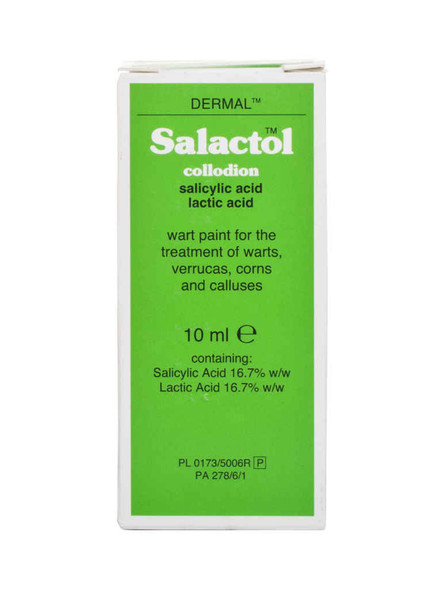
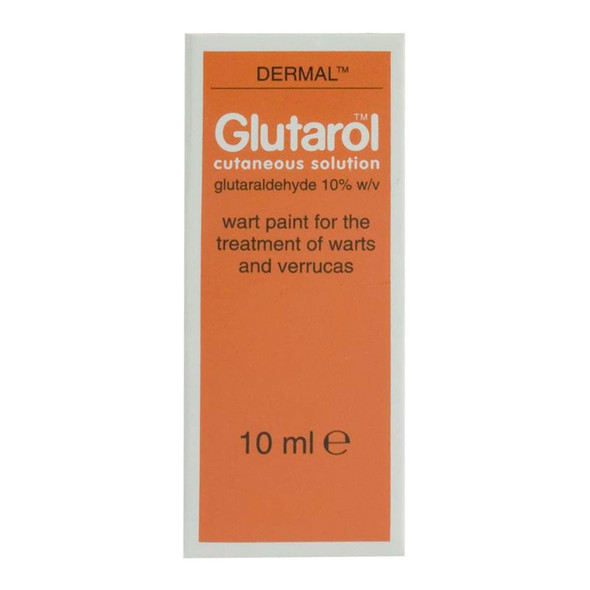
- Salicylic acid paints for steady, gradual treatment with regular use
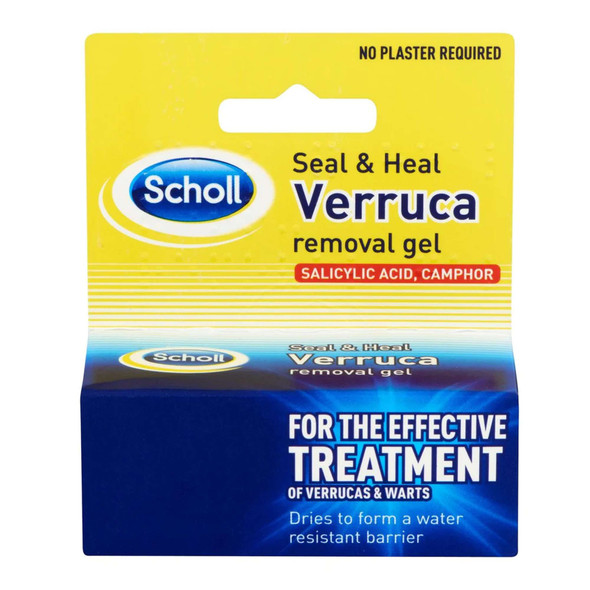
- Verruca gels that dry to form a protective film over the area
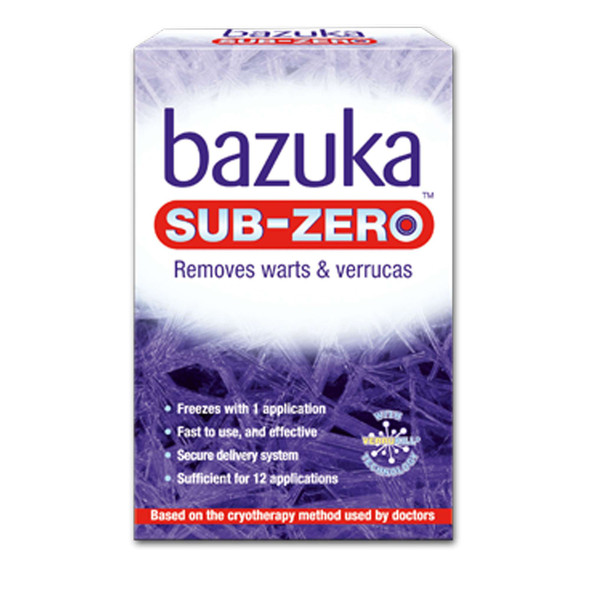
- Freeze sprays (cryotherapy-style) for short-contact, targeted application
- Medicated plasters that treat while cushioning pressure points
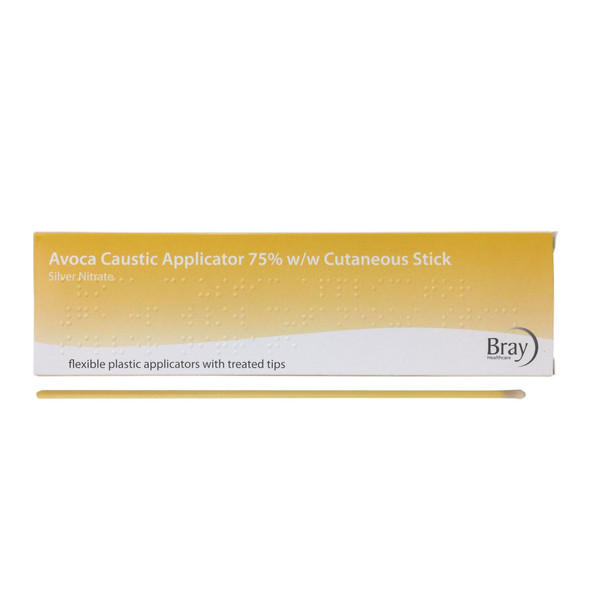
- Caustic pencil treatments for very careful, precise application (where appropriate)
How to choose the right option
- Match the location: verrucas on the sole can be more uncomfortable due to pressure, so cushioning formats (like plasters) may feel more comfortable alongside treatment.
- Pick what you’ll use consistently: paints and gels usually need regular application over weeks; freeze products rely on careful technique.
- Protect healthy skin: many treatments can irritate normal skin—apply only to the verruca and follow the label and leaflet exactly.
- Check age guidance: suitability varies between products, especially stronger acids and freeze treatments.
- Don’t treat anything uncertain: avoid using verruca removers on moles, pigmented marks, broken or infected skin, or unknown lumps.
- Ask for advice if higher risk: speak to a pharmacist or GP before self-treating if you have diabetes, poor circulation, reduced sensation (neuropathy), immune problems, or you are pregnant or breastfeeding.
Quick links: common needs
FAQs
What is a verruca?
A verruca is a wart on the sole of the foot (a plantar wart). It’s caused by a viral infection and may feel uncomfortable because it sits on a weight-bearing area.
What’s the difference between a wart and a verruca?
They’re caused by the same family of viruses. “Wart” is a general term (often used for hands), while “verruca” usually refers to warts on the feet.
How long do verruca treatments take to work?
Results vary depending on the product, how long the verruca has been there, and how consistently you use treatment. Many options need regular use for several weeks. If it’s not improving, ask a pharmacist or GP for advice.
Salicylic acid vs freeze spray: which should I choose?
Salicylic-acid paints and gels are commonly chosen for gradual treatment you can repeat routinely. Freeze sprays are a cryotherapy-style option some people prefer for short-contact application. Choose the option you can use safely and follow the instructions carefully.
How can I apply verruca paint or gel safely?
Follow the leaflet exactly. Many people apply after bathing when the skin is dry, treat only the verruca, and protect surrounding skin as directed. Stop use if you develop significant irritation and seek advice if you’re unsure.
Are verrucas contagious?
They can spread through direct contact or shared surfaces. Avoid picking, keep the area covered where practical, wear footwear in communal areas (like changing rooms), and use your own towel to help reduce spread.
When should I speak to a pharmacist or GP?
Get advice if the area is very painful, bleeding, spreading, changing in appearance, or not responding to treatment; and before self-treating if you have diabetes, poor circulation, reduced sensation, or a weakened immune system. Do not treat anything you’re unsure is a verruca.
Safety note: Verruca treatments are not suitable for everyone and can damage healthy skin if misapplied. Always read the label and patient leaflet, use only on the affected area, and stop if you develop significant irritation. If you’re unsure what the lesion is, symptoms persist, or you’re in a higher-risk group, speak to a pharmacist, GP, or NHS 111 for guidance.