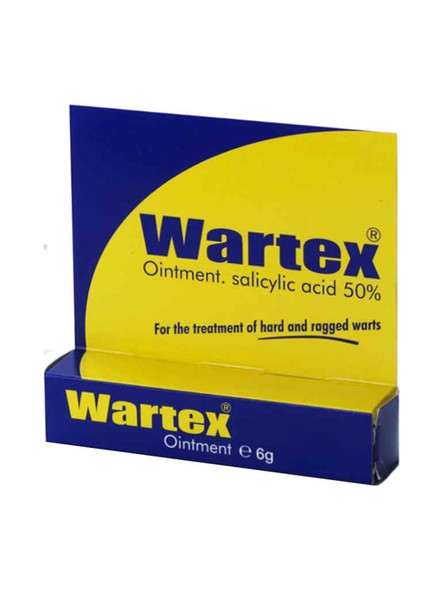
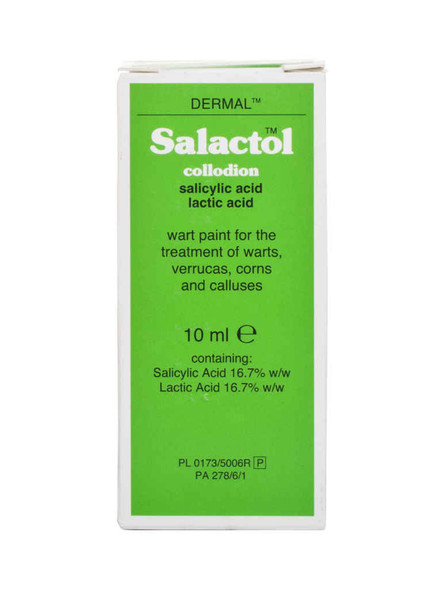
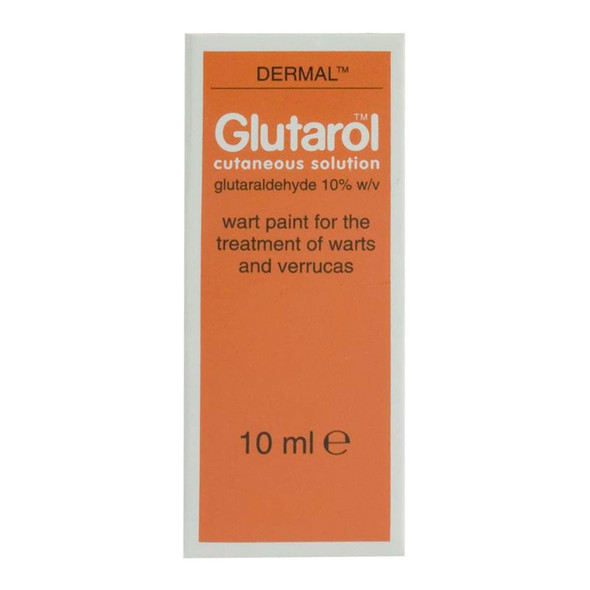
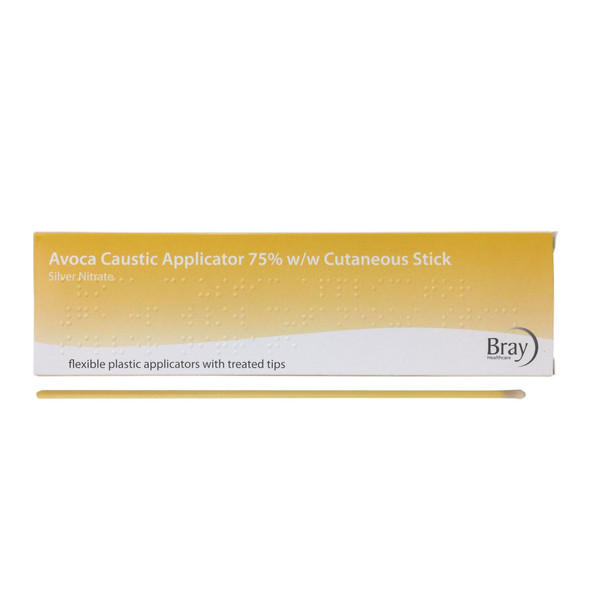
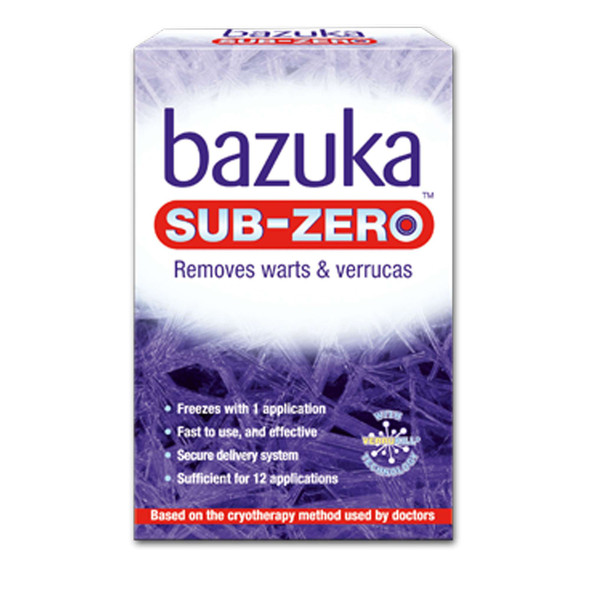
Shopping for warts and verruca treatments that you can use at home? This page brings together trusted UK pharmacy options for common warts (often on hands) and verrucas (plantar warts on feet). You’ll find popular wart paints, wart gels, freeze sprays and medicated plasters designed to treat the affected area over time when used exactly as directed. Because warts can look similar to other skin changes, it’s important to choose a product that matches the location and to avoid treating anything you’re unsure about.
withaid is a UK based and regulated pharmacy, with orders sent in discreet packaging via Royal Mail and free delivery available over £20. If you’re deciding between a daily salicylic-acid paint/gel and an at-home freezing treatment, the guide below will help you narrow down the best option for your routine and comfort. If a lesion is painful, bleeding, spreading, changing, or on a sensitive area, speak to a pharmacist or GP before treating.
Shop by warts type
Popular types of wart treatments
- Salicylic acid paints for gradual removal with regular use
- Wart gels that dry to form a protective film
- Freeze sprays for at-home freezing treatment
- Medicated plasters to treat while cushioning pressure areas
- Caustic pencil treatments for precise application where suitable
How to choose the right option
- Match the location: verrucas on feet can be more painful due to pressure and often need consistent treatment.
- Pick a format you’ll stick with: paints/gels usually need regular application; freeze treatments require careful technique.
- Protect healthy skin: many products can irritate normal skin—apply only to the affected area and follow pack instructions.
- Check age guidance: suitability varies, especially for stronger acids and freeze products.
- Avoid sensitive areas: do not use typical wart removers on the face or genital area unless specifically directed by a clinician.
- Ask for advice if higher risk: get pharmacist/GP guidance before self-treating if you have diabetes, poor circulation, neuropathy, or a weakened immune system.
FAQs
What’s the difference between a wart and a verruca?
Both are caused by HPV. “Wart” is a general term (often hands), while a “verruca” is a plantar wart on the sole of the foot and may hurt when you walk.
How long do wart and verruca treatments take to work?
Results vary by product and how long the wart has been there. Many treatments need consistent use for several weeks. If it isn’t improving, ask a pharmacist or GP for advice.
Are warts contagious?
They can spread through direct contact or shared surfaces. Avoid picking, keep it covered where practical, and use your own towel to help reduce spread.
Can I use wart remover on a mole or an unknown lump?
No. Do not treat moles, pigmented lesions, or anything you’re unsure is a wart. Get it checked by a pharmacist or GP first.
Can I treat warts during pregnancy or breastfeeding?
Some products may be suitable, but it depends on the active ingredients and where the wart is. Check the label carefully and ask a pharmacist or GP before using any wart treatment if you’re pregnant or breastfeeding.
When should I speak to a pharmacist or GP?
Seek advice if the area is painful, bleeding, spreading, changing in appearance, located on the face or genitals, or if you have diabetes, poor circulation, neuropathy, or immune problems.
Safety note: Always use wart and verruca treatments exactly as directed and avoid broken or irritated skin. Stop use if you develop significant irritation. If you are unsure it is a wart, or symptoms persist, speak to a pharmacist, GP or NHS 111 for guidance.