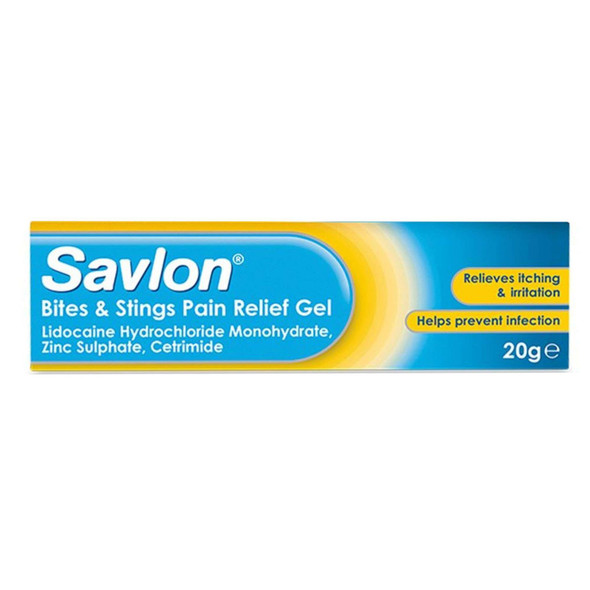
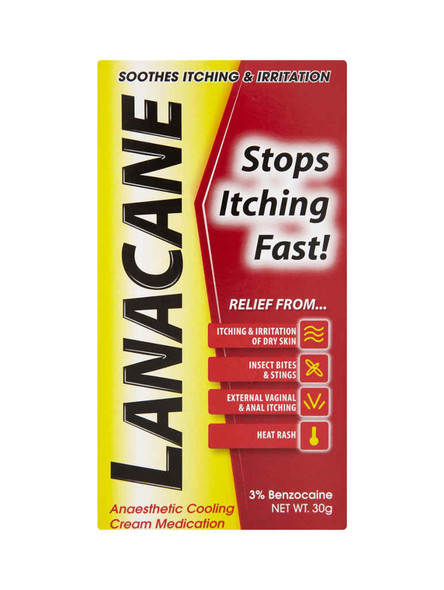
Wasp stings are common in warmer months and can cause immediate pain, redness and swelling at the sting site. For many people, symptoms are local and settle over time, but itching and a raised reaction can be uncomfortable — especially on hands, feet, or where clothing rubs. This page brings together pharmacy options commonly used for wasp sting relief and insect bite & sting treatment, with formats to suit different needs at home or on the go.
Shop antihistamines (tablets or liquids) for itching and allergy symptoms, plus topical creams, gels and skin-soothing products for local irritation. Always read the label and patient information leaflet for age guidance, dosing and suitability (including pregnancy and breastfeeding). If you have rapidly worsening swelling, symptoms away from the sting site, or any signs of a serious allergic reaction, seek urgent medical help.
Shop by wasp sting treatment type
Popular types of wasp sting treatments
- Oral antihistamines (tablets or liquids) for itching and more general allergy symptoms (product-dependent)
- Topical anti-itch creams such as short-term hydrocortisone 1% (where suitable; check age limits and directions)
- Bite & sting gels to soothe local irritation and help reduce the urge to scratch
- Pen applicators for quick, portable application when you’re out and about
- Antiseptic preparations to cleanse minor breaks in the skin (use as directed)
How to choose the right option
- Start with the symptoms: local redness and itching may suit a topical option; more widespread itching or hives may suit an oral antihistamine (follow the product directions).
- Check age guidance: some medicines (including hydrocortisone creams) are only suitable from specific ages.
- Consider drowsiness warnings: some antihistamines can cause sleepiness; take extra care with driving, machinery and alcohol where advised.
- Think about the sting location: stings on the face, inside the mouth, or near the eye need extra caution; seek advice promptly if swelling develops.
- Review other medicines and conditions: if you take regular medication, have asthma, or have had significant sting reactions before, ask a pharmacist what’s appropriate.
- Avoid doubling up: don’t take more than one antihistamine at the same time unless a pharmacist or prescriber has advised it.
Quick links: common needs
FAQs
What should I do immediately after a wasp sting?
Move away from the area, wash the skin with soap and water, remove rings or tight jewellery near the sting (swelling can increase), and use a cold compress for 10–15 minutes at a time. Try not to scratch the area.
What helps with itching and swelling from a wasp sting?
Depending on your symptoms, people often choose a suitable topical product (such as a bite & sting gel or a short-term hydrocortisone 1% cream) and/or an oral antihistamine. Always follow the directions on the pack and leaflet and check age limits.
When should I seek urgent medical help?
Call 999 immediately if there are signs of a serious allergic reaction, such as difficulty breathing, wheezing, rapid swelling of the face/lips/tongue/throat, widespread hives with dizziness, or collapse. Seek urgent advice if swelling is severe or rapidly worsening, especially on the face or neck.
How long do wasp sting symptoms usually last?
Pain often improves within hours, while itching and local swelling may last a couple of days. If symptoms are worsening after 24–48 hours, the area becomes very painful, hot, or starts to weep, or you feel unwell, seek medical advice.
Are these treatments suitable for children?
Some options are suitable for children, but age cut-offs and doses vary by product. Use child-appropriate medicines only and follow the label carefully. If a child has facial swelling, breathing symptoms, or seems unwell after a sting, get urgent medical help.
Can I use wasp sting treatments if I’m pregnant or breastfeeding?
If you’re pregnant, trying to conceive, or breastfeeding, ask a pharmacist or GP before choosing any medicine. They can help you select an option that’s appropriate for you and advise what to avoid.
Can I put hydrocortisone cream on the face?
Some hydrocortisone products have specific guidance about where they can be used and for how long. Check the patient leaflet carefully and ask a pharmacist if the sting is on the face, near the eyes, or if the skin is broken.
Safety information: This content is for general guidance and does not replace medical advice. Medicines are not suitable for everyone. Always read the label and patient information leaflet and use only as directed. If you’re unsure what to choose, take other medicines, have a long-term condition, or symptoms persist or worsen, speak to a pharmacist, contact NHS 111, or see your GP. Call 999 for suspected anaphylaxis.