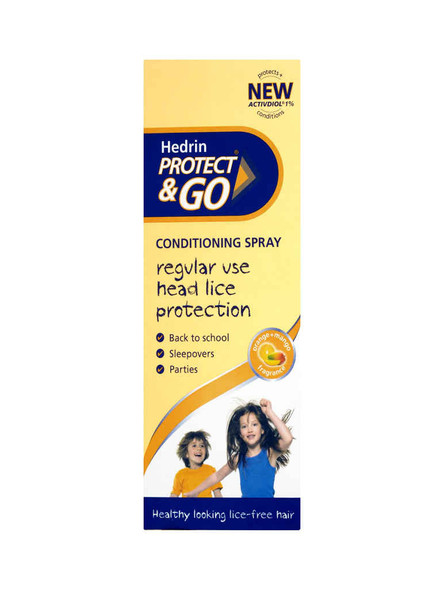
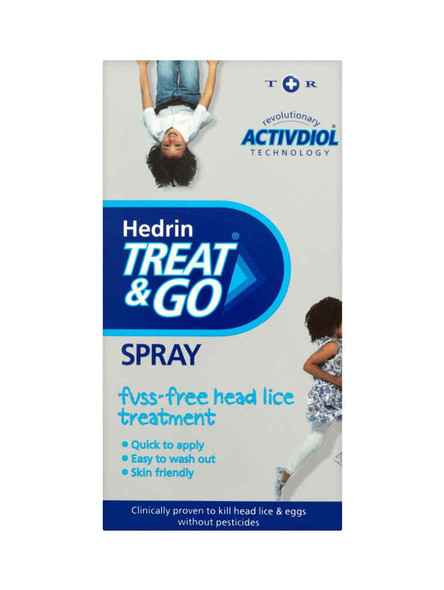
Shopping for Hedrin head lice treatment in the UK? This brand page brings together Hedrin’s most-used formats for tackling head lice and nits at home, including liquid gels, lotions, spray gels, shampoo and easy-apply mousse. Whether you’re treating a confirmed case, re-checking after school or nursery, or looking for a simple routine to help reduce reinfestation, you can choose a Hedrin option that fits your household and hair type.
How to choose: for fuller coverage on longer or thicker hair, many shoppers prefer a lotion or liquid gel. If you want quicker application, a spray gel can be easier to distribute section by section. For wash-based routines, a shampoo format may suit bath time. To support between-checks, Protect & Go sprays are often used as part of a prevention routine. Always follow the on-pack directions and complete the recommended checking and follow-up steps for best results.
Shop by Hedrin product type
Popular Hedrin products
Why choose Hedrin
- Format choice for real routines (lotion, gel, spray gel, shampoo, mousse) so you can pick what’s easiest to apply.
- Options for treating and for between-check routines to help you stay on top of reinfestation risk.
- Practical, step-led use that supports sectioning hair and working methodically.
- Household-friendly sizing for repeat checking and follow-up steps where advised.
- Online pharmacy convenience for quick re-orders and discreet delivery.
Quick links: brand needs
FAQs
Which Hedrin head lice treatment should I choose?
Choose based on what you’ll use correctly. Lotions and liquid gels can suit fuller coverage, while spray gels may feel easier to apply in sections. If you prefer a wash-based approach, a shampoo format can fit bath time. Check each product’s directions for use, timings and follow-up steps.
What’s the difference between Hedrin Once and Hedrin Treat & Go?
They’re different product ranges and formats. “Once” products are often selected for a straightforward treatment step, while “Treat & Go” includes formats like mousse or spray that some households find simpler to spread through hair. Use the product page information to compare directions and suitability.
Can Hedrin products be used for children?
Some Hedrin products are suitable for children, but age guidance can vary between items. Always check the label and any included leaflet before use. If you’re unsure what’s appropriate for a child, ask a pharmacist for advice.
Do I still need to comb and check for nits?
Regular checking helps you confirm whether lice are still present and whether follow-up steps are needed. Many families use a fine-tooth comb and work methodically through the hair in good light, following the product’s recommended checking schedule.
How often should I check hair after treatment?
Follow the guidance for the specific product you’re using. In general, checking in the days after treatment and again at the time recommended can help you spot any remaining live lice and decide whether a follow-up step is needed.
How can I help reduce the chance of reinfestation?
Routine checking, treating only as directed, and taking practical steps (like tying long hair back and avoiding head-to-head contact) can help. Some households use Protect & Go sprays as part of an between-check routine—always follow the instructions on the product.
When should I speak to a pharmacist or GP?
Get advice if the scalp is very sore, broken or looks infected, if symptoms persist despite using products as directed, or if you need help choosing a suitable option for a young child, pregnancy, breastfeeding, allergies or other medicines. For urgent concerns or severe reactions, seek prompt medical help (NHS 111 in the UK, or emergency services if severe).
Safety note: Head lice treatments are pharmacy health products and must be used exactly as directed. Avoid contact with eyes and do not apply to broken or irritated skin unless the product information states otherwise. Always read the label and any patient leaflet, check age restrictions, and stop use if irritation occurs. If you’re unsure which option is suitable, ask a pharmacist or contact your GP/NHS 111 for guidance.