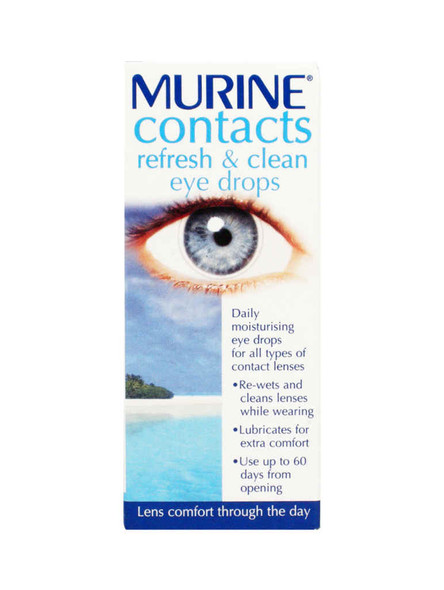
Looking to buy Murine eye drops online from a UK based and regulated pharmacy? Murine is a well-known eye care brand with practical options for everyday comfort, seasonal irritation and contact lens wear. On this brand page you can browse Murine drops and an eye mist by need and format, then click through to each product page for full directions, ingredients and suitability notes before you add to basket.
Most people shopping Murine want quick, sensible support for dry, tired eyes (often linked to screens, air conditioning or travel), itchy/watery eyes during hayfever season, or occasional visible redness from minor irritation. If you wear lenses, check whether the product is designed for contact lens use or advises removing lenses first. Not sure where to start? Many shoppers choose a lubricating option for dryness, a hayfever-specific drop for allergy-triggered itchiness, and an on-the-go mist for daytime refreshing—always following the label and leaflet.
Shop by Murine product type
Popular Murine products
Why choose Murine
- Easy to shop by symptom: dryness, hayfever irritation, contact lens refresh, and occasional redness.
- Format choice for real life: classic drops plus a convenient mist for daytime use.
- Clear comparison: straightforward sizes (10ml–15ml) and product-led navigation.
- Check the details before you buy: product pages highlight directions, ingredients and key warnings.
- UK pharmacy confidence: purchase from a UK based and regulated pharmacy.
Quick links: brand needs
FAQs
Which Murine eye drops are best for dry eyes?
For everyday dryness, many people start with a lubricating option such as Murine Dry & Tired Eye Drops. If you want a different format or a more specialised option, compare with Murine Professional Advanced Dry Eye Relief and follow the directions on the product page and leaflet.
Can I use Murine products if I wear contact lenses?
Some Murine products are designed for lens wearers, such as Murine Contacts Refresh & Clean and Murine Bright & Moist Eye Drops. Always check the product guidance for contact lens advice, including whether lenses should be removed before use.
What’s the difference between hayfever eye drops and dry eye drops?
Murine Hayfever Relief Eye Drops are intended for seasonal allergy-related eye symptoms (such as itchiness and watering), while lubricating drops focus on moisture and comfort for dryness. Choose based on your symptoms and always use as directed.
Do Murine redness relief drops treat the cause of red eyes?
Red eyes can have many causes, including dryness, irritation, infection or injury. Products such as Murine Irritation & Redness Eye Drops may be suitable for occasional minor irritation, but persistent redness, pain or worsening symptoms should be assessed by a pharmacist, optometrist or GP.
How do I use Murine eye drops safely?
Wash your hands, avoid touching the bottle tip to your eye or any surface, and use only as directed on the label and leaflet. If you use more than one eye product, leave a gap between applications and follow any contact lens guidance.
Is Murine Refresh & Soothe Eye Mist suitable with make-up?
Murine Refresh & Soothe Eye Mist is designed for convenient use; check the product page for application guidance, including notes about make-up. Stop use if you experience irritation.
When should I speak to a pharmacist, optometrist or GP about eye symptoms?
Seek urgent advice if you have severe pain, sudden vision changes, light sensitivity, injury, chemical exposure, marked swelling, thick discharge, or symptoms that are worsening or not improving. If you’re unsure which Murine product is suitable—especially with existing eye conditions, pregnancy/breastfeeding, or for children—ask a pharmacist, optometrist or GP.
Important: Always read the label and any patient information leaflet before using eye drops or eye mists. Use only as directed. If symptoms persist, you develop pain, blurred vision, significant redness, discharge, or you’re unsure about suitability (including contact lens wear, pregnancy/breastfeeding, children, or existing eye conditions), speak to a pharmacist, optometrist or GP for personalised advice.