Abrasions (often called scrapes or grazes) are superficial skin injuries caused when the outer layer of skin rubs against a rough surface. Most minor abrasions can be managed at home with simple first-aid steps: clean the area, protect it from dirt and friction, and choose a product format you’ll actually use consistently. On this page you’ll find abrasion treatment essentials such as antiseptic creams, antiseptic sprays and liquids, plus plasters and wound dressings from trusted pharmacy brands.
If you’re building a practical home or travel first-aid kit, it can help to think in two steps: cleansing first, then covering. Sprays and solutions are often chosen for quick, low-contact cleansing, while plasters and dressings help protect the skin on hands, knees, elbows and other high-movement areas. For broader wound-care essentials, you can also browse Disinfectants and First Aid, or return to Health Condition to shop by symptom.
Shop by abrasions type
Popular types of abrasion products
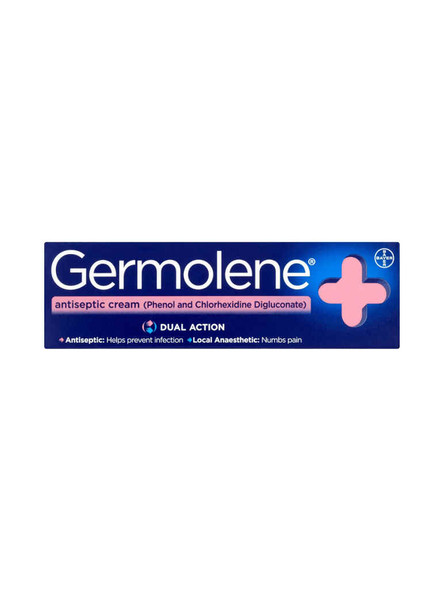
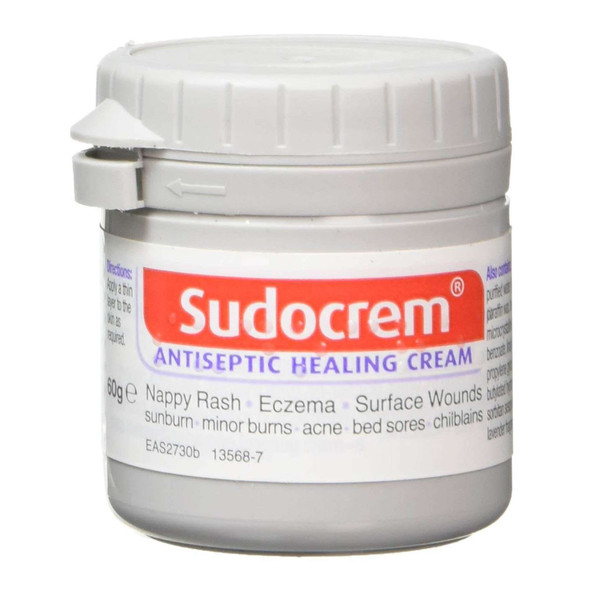
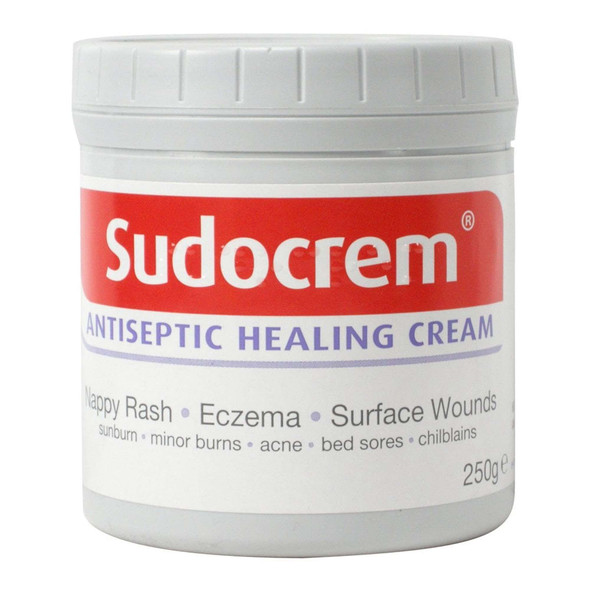
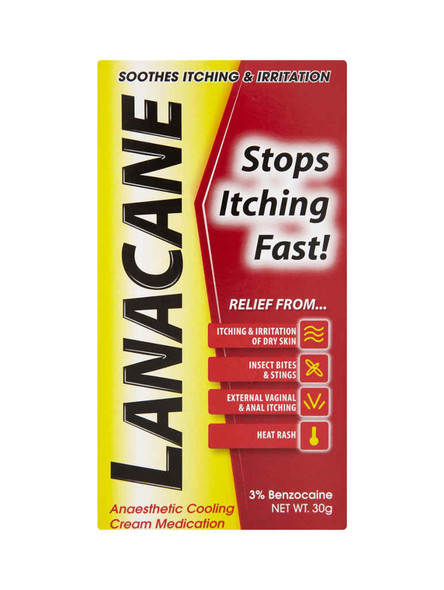
- Antiseptic creams for targeted application after cleaning, where suitable.
- Antiseptic sprays for fast, low-contact cleansing on larger areas or awkward-to-reach spots.
- Antiseptic liquids/solutions for flexible external use where directed on the label.
- Plasters to cover small scrapes and help reduce rubbing on hands and joints.
- Wound dressings for broader coverage and cushioning, including options that suit movement or moisture.
How to choose the right option
- Start with cleaning: rinse with clean water to remove grit, then use an antiseptic product as directed.
- Match the format to the situation: sprays can be convenient on-the-go; creams are more targeted; liquids may be useful where appropriate.
- Choose the right cover: plasters for small areas; dressings for wider abrasions or places that rub (especially knees, elbows and hands).
- Consider waterproof and durability needs: if the area will get wet or is exposed to frequent movement, a more protective covering may be preferable.
- Check suitability: always read the label, including age guidance and warnings (particularly for children, pregnancy/breastfeeding, sensitive skin, diabetes, or poor circulation).
FAQs
What products are commonly used for minor abrasions?
Many people rinse the area with clean water, then use an antiseptic spray, wipe or solution as directed, and cover with a plaster or dressing to help protect the skin from dirt and friction.
How should I clean an abrasion safely?
Gently rinse with clean water to remove dirt and grit. Avoid harsh scrubbing. If you’re using an antiseptic product, follow the label directions. If debris is embedded or the wound is deep, seek professional advice.
Should I use a cream or a spray?
Sprays and solutions are often chosen for quick cleansing, especially on larger areas. Creams may be used after cleaning where suitable. The best choice depends on the location, your skin sensitivity, and the product instructions.
How long do abrasions take to improve?
Timing varies by size and depth. Many minor grazes start to improve over a few days, while deeper scrapes can take longer. Keep the area clean and protected, and monitor for changes.
Can children use antiseptic products?
Some products are suitable for children, but age guidance differs. Check the label carefully and ask a pharmacist if you’re unsure, especially for younger children.
When should I speak to a pharmacist or GP?
Get advice if the abrasion is large, very painful, not improving, or shows possible signs of infection such as increasing redness, warmth, swelling, discharge, or fever. Seek urgent help for heavy bleeding, serious injury, or if you feel very unwell.
Important: This page is for general guidance and does not replace medical advice, diagnosis or treatment. Always read the label and follow directions. If you are pregnant or breastfeeding, buying for a child, have diabetes or poor circulation, take other medicines, or symptoms are severe, unusual or persistent, speak to a pharmacist or GP. In an emergency, call 999 or attend A&E.