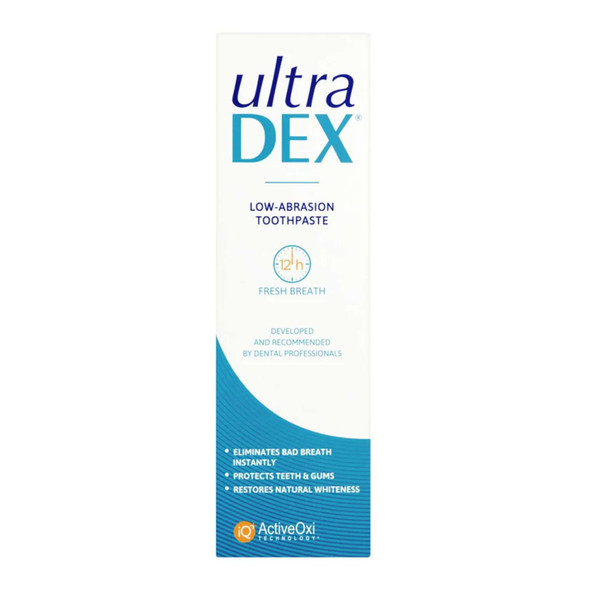
Bad breath (halitosis) is common and is often linked to everyday factors such as food, smoking, dry mouth, or a build-up of bacteria on the tongue and around the gumline. A consistent routine is usually the best place to start: brush twice daily, clean between teeth, and gently clean your tongue. If you want extra support, choosing the right oral-care products can help you maintain a fresher-feeling mouth day to day.
Shop fresh-breath essentials from Withaid, a UK registered online pharmacy, with discreet packaging available. This range includes mouthwash, toothpastes and convenient breath sprays that fit easily into a daily routine or on-the-go top-ups. If breath concerns are new, persistent or getting worse—especially alongside bleeding gums, tooth pain, swelling or mouth ulcers—it’s best to seek advice from a dentist, pharmacist or GP to check for an underlying cause.
Shop by Bad Breath type
Popular types of bad breath products
- Fresh-breath mouthwash to complement brushing and help the mouth feel clean
- Alcohol-free mouthwash for a gentler routine, especially if you’re prone to dry mouth
- Gentle toothpaste for comfortable everyday brushing
- Extra-fresh toothpaste for daily use when you want a fresher finish
- Fresh-breath spray for short-term, on-the-go freshness between brushes
How to choose the right option
- Start with the basics: brushing, interdental cleaning and tongue cleaning are usually more important than “strong” formulas.
- Match the trigger: after meals or coffee may suit an on-the-go spray, while smoking-related odour usually improves most with a consistent routine.
- Morning breath tips: it’s often worse on waking due to a drier mouth overnight—tongue cleaning and hydration can help.
- Consider dry mouth: alcohol-free options can feel more comfortable for regular use.
- Choose gentle if needed: if you have sensitive teeth or gums, pick products designed for comfort.
- Know when to get checked: persistent odour, gum bleeding, tooth pain, swelling or ulcers should be assessed by a professional.
Quick links: common needs
FAQs
What are the most common causes of bad breath (halitosis)?
Bad breath is often caused by bacteria in the mouth, food and drink, smoking, or dry mouth. It can also be linked to gum problems, tooth decay or infections, so ongoing symptoms are worth checking with a dentist.
What’s the best daily routine to help with bad breath?
Brush twice daily, clean between teeth, and gently clean your tongue. Staying hydrated can help if you’re prone to dry mouth. Products like mouthwash can be a useful add-on, but they work best alongside consistent cleaning.
Why is my breath worse in the morning?
It’s often worse on waking because the mouth can be drier overnight, which makes odours more noticeable. Hydration, tongue cleaning, and a consistent routine can help. If it’s persistent or you have gum symptoms, a dental check-up is recommended.
Could gum disease cause bad breath?
Yes. Gum inflammation and plaque build-up around the gumline can contribute to odour. If you have bleeding gums, soreness, or persistent bad breath, a dental check-up is recommended.
Does mouthwash help with bad breath?
Mouthwash can support a fresher-feeling mouth as part of an oral-care routine, especially when used after brushing and interdental cleaning (follow the product directions). If your mouth feels dry, an alcohol-free option may be more comfortable.
Are breath sprays a long-term solution?
Breath sprays are designed for short-term freshness. If you’re relying on them often, it’s worth reviewing your routine and considering a dental check-up to rule out an underlying cause.
When should I speak to a dentist, pharmacist or GP?
Seek advice if bad breath persists despite good oral hygiene, or if you have bleeding gums, tooth pain, swelling, mouth ulcers, fever, or any concerning changes. A dentist is often best placed to assess mouth and gum causes, while a pharmacist or GP can advise if symptoms suggest something broader.
Safety note: Oral-care products can support hygiene and help you maintain a fresher-feeling mouth, but they don’t diagnose or treat dental or medical conditions. If symptoms are persistent, worsening, or accompanied by pain, swelling, bleeding or ulcers, speak to your dentist, pharmacist or GP promptly.