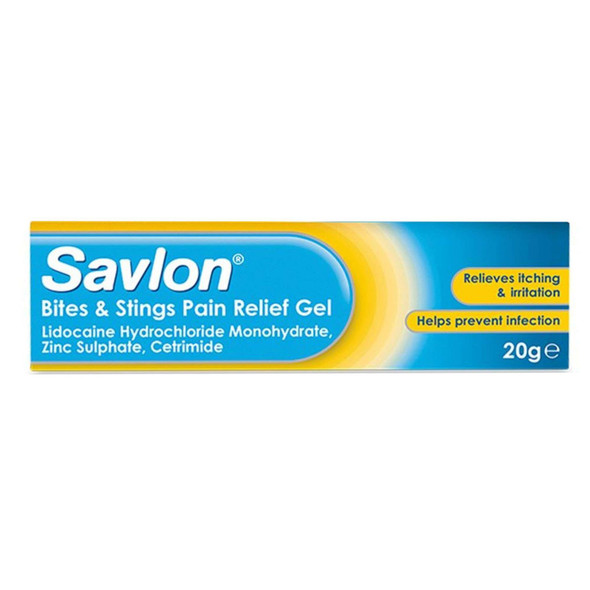
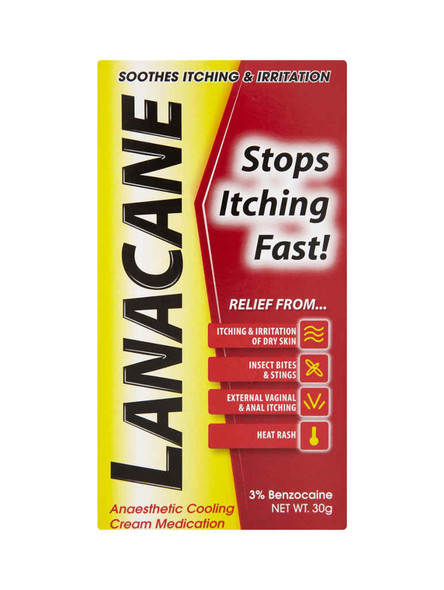
A bee sting can cause sudden redness, swelling, itching and soreness at the site. Most shoppers want fast, practical relief they can use at home or keep in a first-aid kit—especially during warmer months, holidays and outdoor activities. Many searches overlap with broader “bites & stings” needs, so the most useful approach is to choose products based on symptoms (local irritation vs more widespread itching) and suitability (adult vs child).
For local irritation, many people start with a topical bite and sting cream or gel; for more widespread itching or allergy-type symptoms, some consider an oral antihistamine if it’s suitable for them. This Bee Sting range brings together common pharmacy options for sting-related discomfort, plus antiseptic products to cleanse the area if the skin is broken. Always read the label and patient leaflet, and use only as directed. UK based and regulated pharmacy with fast, free delivery on orders over £20, sent Royal Mail in discreet packaging.
Browse related categories
Popular types of bee sting relief products
- Oral antihistamine tablets: often chosen when itching or allergy-type symptoms are more widespread.
- Children’s antihistamine syrups: liquid formats with age-specific dosing where suitable.
- Hydrocortisone 1% creams: short-term options some people use for inflammation and itching where appropriate.
- Bite & sting creams and gels: topical options for local irritation and discomfort.
- Antiseptic creams or liquids: used to cleanse minor cuts or grazes near the sting site.
- Bite relief pens: convenient applicators for on-the-go use.
Always read the label: age limits, dosing, and where not to use a product vary by ingredient and brand.
How to choose the right option
- Start with your symptoms: local itch may suit a topical cream or gel, while wider itching or hives may lead some people to an oral antihistamine (where suitable).
- Check age suitability: many antihistamines and hydrocortisone products have minimum ages—follow the leaflet for children’s dosing.
- Be cautious with steroid creams: use hydrocortisone sparingly, short term, and only where the leaflet allows; avoid eyes/face and broken or infected skin unless the product directions say otherwise.
- Consider drowsiness and interactions: some antihistamines can cause sleepiness and may interact with other medicines or alcohol—check warnings before use.
- Think about sting location: stings around the mouth, tongue, throat or eyes need extra caution; seek urgent advice if swelling is progressing.
- Watch for infection or worsening: increasing redness, heat, pus, fever, or symptoms not improving should be checked by a pharmacist or GP.
Quick links: common needs
FAQs
What should I do straight away after a bee sting?
Move away from the area, remove any visible stinger as soon as possible, gently clean the skin, and use a cold compress to help with comfort. Monitor symptoms closely, especially in the first hour.
What’s the best cream or gel for a bee sting?
It depends on your symptoms and what’s suitable for you. Many people choose a bite and sting cream or gel for local itching and irritation. Always check the label for age suitability and how often to apply.
Can I take antihistamines for a bee sting?
Some people use oral antihistamines when itching or allergy-type symptoms are more widespread. Suitability depends on age, other medicines, and health conditions—check the patient leaflet and ask a pharmacist if you’re unsure.
Can children use bee sting treatments?
Some treatments are suitable for children, but minimum ages and dosing vary by product and ingredient. Use a child-appropriate option and follow the pack and leaflet instructions carefully.
What’s the difference between insect bites and bee stings?
Symptoms can overlap (itching, redness and swelling), but stings may cause sharper, immediate pain and sometimes leave a stinger behind. Choose products based on symptoms and suitability, and seek urgent help for any severe or rapidly worsening reaction.
When should I seek urgent medical help?
Call 999 if there are signs of a severe allergic reaction such as breathing difficulty, wheezing, swelling of the lips/face/throat, widespread rash, or collapse. If symptoms feel severe or rapidly worsening, treat it as urgent.
How long do swelling and itching last after a bee sting?
Minor local symptoms often improve over hours to a few days, but this varies. If swelling is spreading, symptoms are severe, or you’re not improving, speak to a pharmacist or GP.
Important: This page provides general shopping guidance and does not replace medical advice. Bee stings can cause serious allergic reactions in some people. If you have breathing problems, swelling of the face or throat, or feel faint, call 999. Medicines are not suitable for everyone—always read the label and patient information leaflet and use only as directed. If you’re pregnant or breastfeeding, have a long-term condition (including asthma), take other medicines, or are buying for a child, ask a pharmacist or your GP for advice.