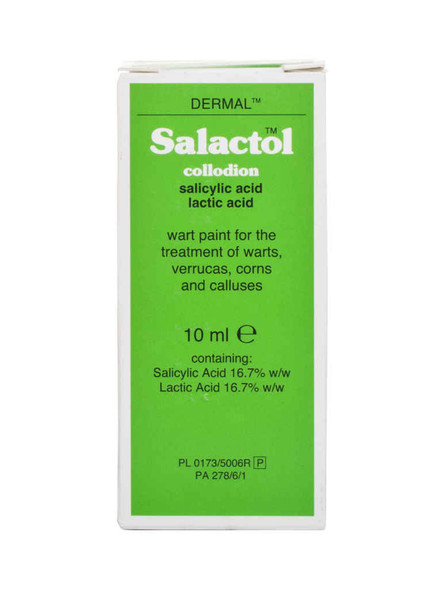
Corns are small, localised areas of hardened skin that form when part of the foot is repeatedly rubbed or pressed—most often from tight shoes, seams, or changes in the way you walk. They may be hard corns (typically on the tops or sides of toes) or soft corns (often between toes where skin stays moist). Most people browsing this page want two things: fast comfort when walking and a safe, gradual way to soften and reduce thickened skin.
Shop practical over-the-counter options for corn relief and corn removal, including medicated corn plasters (commonly with salicylic acid), gel and hydrocolloid plasters that cushion rubbing, and pads that help redistribute pressure in shoes. Some products may mention corns alongside calluses or verrucas—always check the label so you treat the right condition. If you’re unsure what’s suitable, our UK regulated pharmacy team can help you choose safely.
Shop by corns treatment type
Popular types of corns treatments
- Medicated corn plasters/caps (often salicylic acid) to help soften thickened skin over time
- Hydrocolloid plasters to cushion painful spots and reduce rubbing in shoes
- Gel plasters for flexible cushioning on toes and pressure points
- Foam cushions and pads to redistribute pressure and protect tender areas
- Complete treatment kits combining cushioning with a removal step
How to choose the right option
- Confirm the type and location: hard corns (toe tops/sides) often suit plasters; soft corns (between toes) may do better with gentle cushioning and moisture control.
- Relief or removal: hydrocolloid/gel and pads focus on comfort; medicated removers can work gradually when suitable for you.
- Read the label for medicated products: apply only to the affected area and avoid use on broken, irritated, or inflamed skin.
- Reduce the cause: choose a wider toe box, avoid rubbing seams, and consider insoles or padding where shoes create pressure points.
- Prevention basics: moisturise dry skin (not between toes), keep footwear breathable, and use gentle pumice only on softened skin—stop if sore.
- Extra caution if higher risk: if you have diabetes, poor circulation, neuropathy, or fragile skin, seek pharmacist/GP advice before self-treating.
Quick links: common needs
FAQs
What’s the difference between a corn and a verruca (wart)?
Corns are usually caused by pressure and friction and often hurt when pressed directly. Verrucas are caused by a virus and may show tiny dark dots and be more painful when squeezed from the sides. If you’re not sure which you have, ask a pharmacist before treating.
Are medicated corn plasters safe for everyone?
Medicated corn removers commonly contain salicylic acid, which can irritate healthy skin if misapplied. They may not be suitable if you have diabetes, poor circulation, neuropathy, or fragile skin. Check the label and seek advice if you’re unsure.
Should I choose cushioning plasters or a medicated corn remover?
If rubbing and pain in shoes is the main issue, cushioning (hydrocolloid/gel) or pads can help protect the area. If you need to reduce thickened skin and the product is suitable for you, medicated options may help gradually over time. Footwear fit changes can help reduce recurrence.
How long does it take to treat a corn?
Cushions and protective plasters can improve comfort straight away, while medicated removers typically take days to weeks depending on the thickness of the skin. If you develop irritation, stop treatment and seek advice.
Some products mention corns, calluses and verrucas—how do I pick the right one?
Some treatments are marketed for more than one foot-skin problem. Always confirm the product is intended for your condition and follow the directions exactly. If you’re uncertain, a pharmacist can help you choose the most suitable option.
Can I cut or shave a corn off at home?
It’s safer not to. Cutting or shaving can cause injury or infection, especially on the feet. Choose pressure relief, appropriate over-the-counter treatments used as directed, and consider professional advice if the corn is persistent or very painful.
When should I speak to a pharmacist, podiatrist or GP?
Get advice if the area is bleeding, hot, swollen, very painful, looks infected, or keeps coming back. Seek help promptly if you have diabetes, circulation problems, reduced sensation, or if the pain affects walking.
Safety note: Corn treatments should be used exactly as directed and should not be applied to broken or irritated skin unless the product states otherwise. If you have diabetes, poor circulation, neuropathy, severe pain, or signs of infection, speak to a pharmacist or contact your GP/NHS 111 for advice.