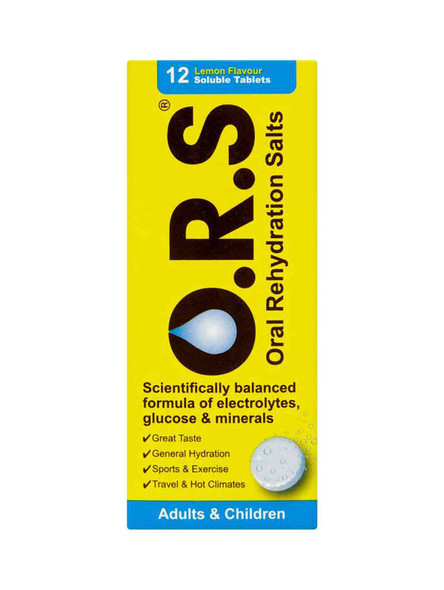
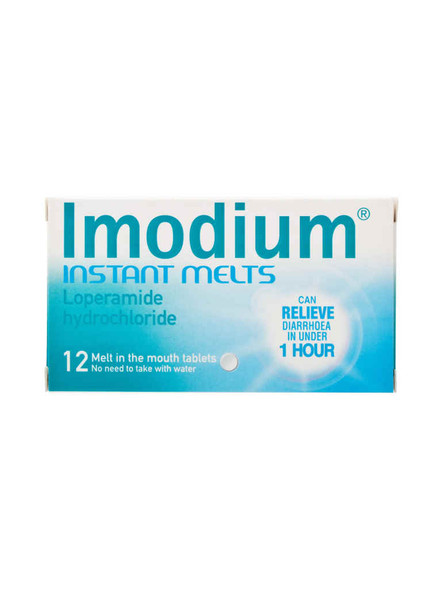
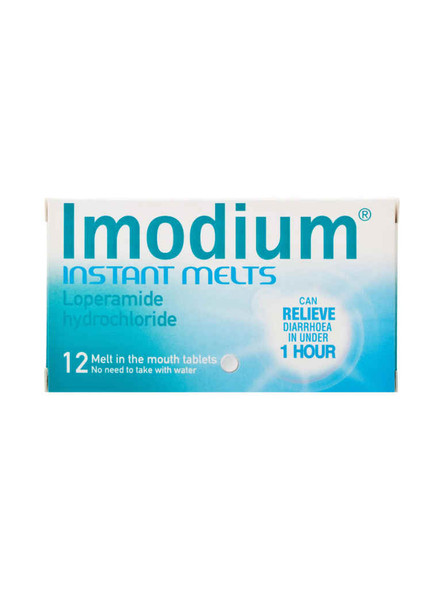
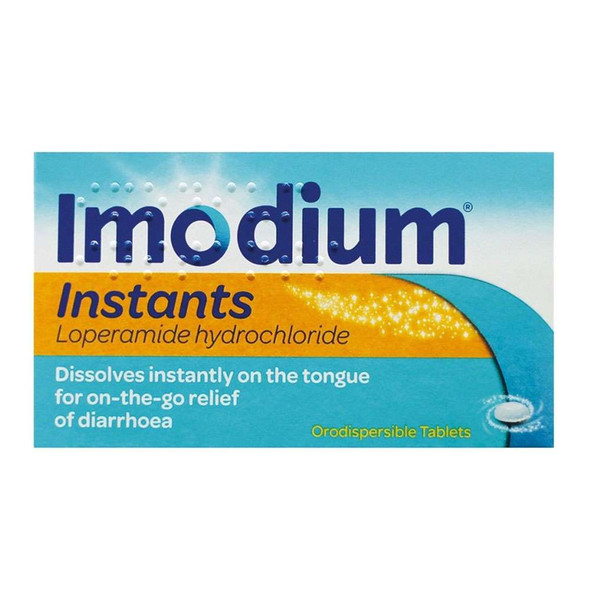
Diarrhoea can start suddenly and is often short-term, but frequent watery stools can quickly lead to dehydration. Most shoppers in this category are comparing two things: rehydration support (to replace lost fluids and electrolytes) and short-term symptom relief (to help reduce how often you need the toilet, when it’s appropriate). You’ll find UK pharmacy options such as loperamide 2mg products, dual-action tablets for diarrhoea with wind and bloating, plus oral rehydration salts sachets (for example Dioralyte) and dissolvable hydration tablets.
Choose a format you can take correctly—capsules/caplets for convenience, melts/instants for on-the-go use, or sachets mixed with water for hydration support. Always read the label and patient leaflet, and follow the stated dose and maximum duration. If you’re unsure what’s suitable (including pregnancy/breastfeeding, regular medicines, or buying for a child), ask a pharmacist for advice.
Shop by diarrhoea type
Popular types of diarrhoea products
- Loperamide 2mg capsules/caplets (OTC anti-diarrhoea option for short-term diarrhoea when appropriate)
- Dual-action diarrhoea relief tablets/caplets (often chosen for diarrhoea with wind and bloating)
- Oral rehydration salts sachets (rehydration drinks to help replace fluids and salts)
- Hydration tablets (dissolvable electrolyte tablets for convenient hydration support)
- Multi-symptom digestive liquids (for upset stomach support—check suitability, warnings and interactions)
How to choose the right option
- If dehydration is the main concern, start with rehydration: sip fluids regularly and consider oral rehydration salts if stools are frequent or watery.
- For symptom relief, match the product to your symptoms: a single-ingredient option may suit simple short-term diarrhoea, while dual-action options may suit diarrhoea with wind and bloating.
- Check who it’s for: age limits and indications vary; IBS-related diarrhoea use is typically for adults with a prior IBS diagnosis.
- Follow the stated dose and duration: don’t exceed pack instructions—if symptoms persist beyond 48 hours, keep returning, or worsen, get advice rather than continuing to self-treat.
- Consider medicines and recent history: if you take regular medicines, have long-term bowel conditions, a weakened immune system, or you’ve recently used antibiotics, ask a pharmacist before choosing.
- Know when not to self-treat: blood in stools, high fever, severe/worsening abdominal pain, or suspected severe infection needs medical assessment.
Quick links: common needs
FAQs
What’s the difference between loperamide and oral rehydration salts?
Loperamide is an anti-diarrhoea medicine that can help reduce how often you need the toilet for short-term diarrhoea in some people. Oral rehydration salts don’t stop diarrhoea, but they help replace water and essential salts when you’re losing fluids.
How long should I self-treat diarrhoea for?
Follow the pack’s maximum duration. As a general guide, if diarrhoea lasts longer than 48 hours in adults, keeps returning, or is worsening, speak to a pharmacist or GP.
When should I avoid anti-diarrhoea medicines?
Avoid self-treating if you have blood in your stools, a high fever, severe or worsening abdominal pain, or suspected severe infection. In these situations, medical assessment is important.
Can I take anti-diarrhoea medicine if I’ve recently had antibiotics?
Diarrhoea during or after antibiotics may need medical assessment depending on severity and other symptoms. Check the leaflet and speak to a pharmacist or GP before self-treating, especially if symptoms are severe, persistent, or worsening.
What should I do if I have diarrhoea and vomiting?
Prioritise hydration with small, frequent sips of fluid and consider oral rehydration salts if you can keep them down. If you can’t keep fluids down or you notice signs of dehydration, seek urgent medical advice.
Are diarrhoea treatments suitable for children?
Not all products are suitable for children and age limits vary. Always check the label and leaflet and seek advice promptly for children with diarrhoea, especially if there are signs of dehydration.
What are common signs of dehydration?
Warning signs can include intense thirst, dizziness, dry mouth, passing less urine than usual, or very dark urine. If you’re concerned about dehydration, seek medical advice promptly.
Important: This information supports general product choice and is not a substitute for medical advice. Always read the label and patient leaflet, and do not exceed the stated dose or maximum duration. Seek urgent help if symptoms are severe, there is blood in stools, fever, significant abdominal pain, signs of dehydration, or if you’re treating a child and are concerned. A pharmacist or GP can advise on the most appropriate next steps.