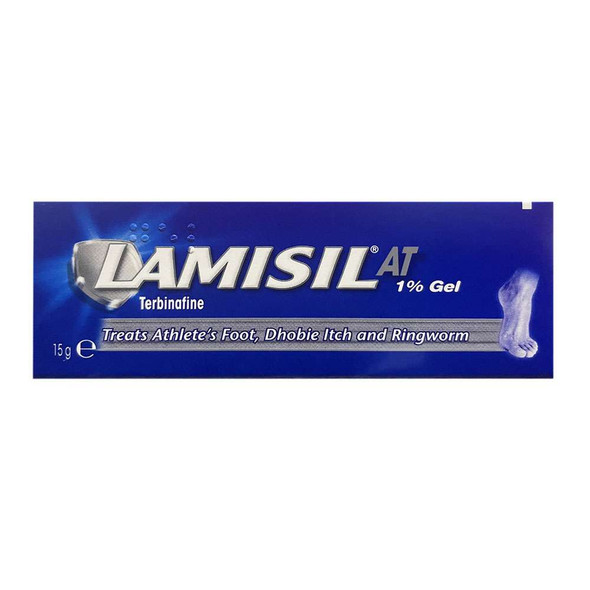
Groin rash can be uncomfortable and is often linked to sweating, friction, or fungal causes such as jock itch (tinea cruris). This category includes over-the-counter options commonly used to help manage symptoms like itching, redness and irritation, with formats designed for warm, high-friction areas. Browse antifungal treatments (including clotrimazole, miconazole and terbinafine options) alongside supportive products such as soothing calamine lotion and moisture-control powders.
Start with simple care alongside the right product: keep the area clean and thoroughly dry, change out of sweaty clothes promptly, and choose breathable underwear to reduce rubbing. Always read the label and follow instructions. If you’re unsure what’s causing the rash, or symptoms are severe, spreading, painful, blistering, recurrent, or not improving, speak to a pharmacist or GP. Orders are sent in discreet packaging with UK delivery options.
Shop by Groin Rash type
- Antifungal creams
- Antifungal sprays
- Topical antifungal gels
- Soothing calamine lotions
- Powders for moisture control
Popular types of groin rash treatments
Choosing a format you can use consistently is often as important as the active ingredient.
- Antifungal creams for direct, targeted application to affected skin.
- Sprays for quick, convenient coverage and a lighter feel.
- Gels for fast-drying, non-greasy application where suitable.
- Calamine lotion to soothe itch and irritation and support day-to-day comfort.
- Moisture-control powders to help keep skin drier alongside appropriate treatment.
How to choose the right option
- Consider the likely cause: If symptoms fit a fungal rash (often itchy with a clearer edge), an antifungal may be suitable. If the main issue is irritation from friction or sweating, soothing support and moisture control may help while you seek advice.
- Check active ingredients: Common options include clotrimazole, miconazole or terbinafine—use only as directed and for the recommended duration.
- Pick a format that matches your routine: Creams are precise, sprays are convenient, gels feel lighter, and powders may help if dampness triggers flare-ups.
- Reduce irritation: Avoid fragranced products on sore skin, don’t over-wash, and dry the area carefully after bathing or exercise.
- Know when to get help: Get urgent advice for severe pain, rapidly spreading rash, fever, pus, open sores, significant swelling, or blistering. Seek guidance promptly if you’re pregnant or breastfeeding, immunocompromised, diabetic, or treating a child.
Quick links: common needs
FAQs
What can cause a groin rash?
Common causes include sweating and friction (chafing), fungal infections such as jock itch, and irritation from soaps, detergents, or tight clothing. If you’re unsure of the cause, a pharmacist can advise.
What treatments are commonly used for jock itch (tinea cruris)?
Over-the-counter antifungal creams, sprays, gels and powders are commonly used. Follow the label directions and use the treatment for the recommended duration.
How long should it take to improve?
It depends on the cause and the product used. If symptoms aren’t improving, are worsening, or keep returning, speak to a pharmacist or GP for assessment and guidance.
Which format is best: cream, spray, gel or powder?
Creams offer precise application, sprays are convenient, gels can feel lighter, and powders may help if moisture is a key trigger. Choose the option you can apply consistently and correctly.
What can I do alongside treatment to help prevent it coming back?
Keep the area clean and dry, change out of sweaty clothing promptly, wear breathable underwear, avoid tight clothing that rubs, and don’t share towels.
When should I seek urgent medical advice?
Seek urgent advice if you have severe pain, a rapidly spreading rash, fever, blistering, pus, open sores, swelling of the genitals, or if you feel generally unwell.
Important: This information is for general guidance and does not replace medical advice, diagnosis or treatment. Always read the label and follow instructions. If symptoms are severe, unusual, persistent, or you’re unsure what’s causing the rash, speak to a pharmacist, call NHS 111, or contact your GP. In an emergency, call 999.