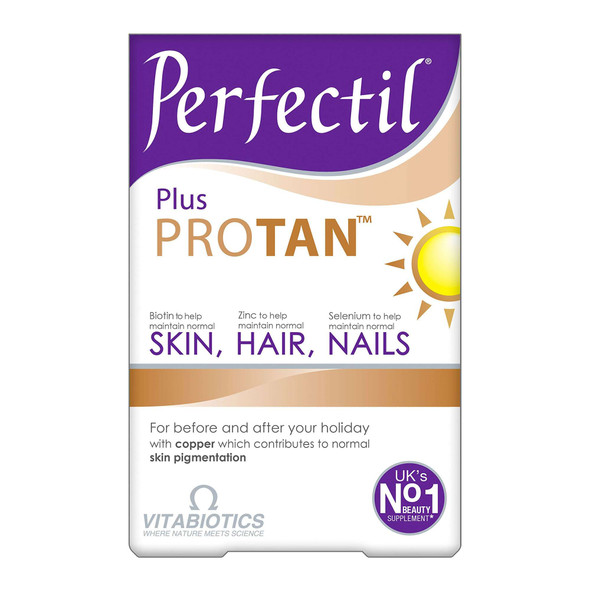
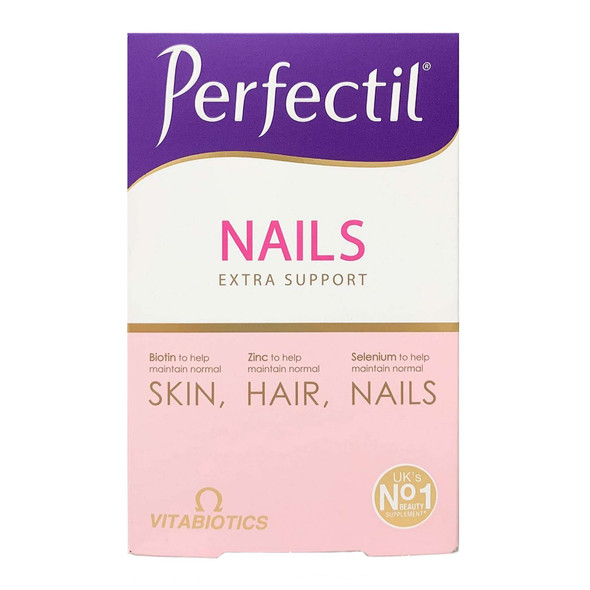
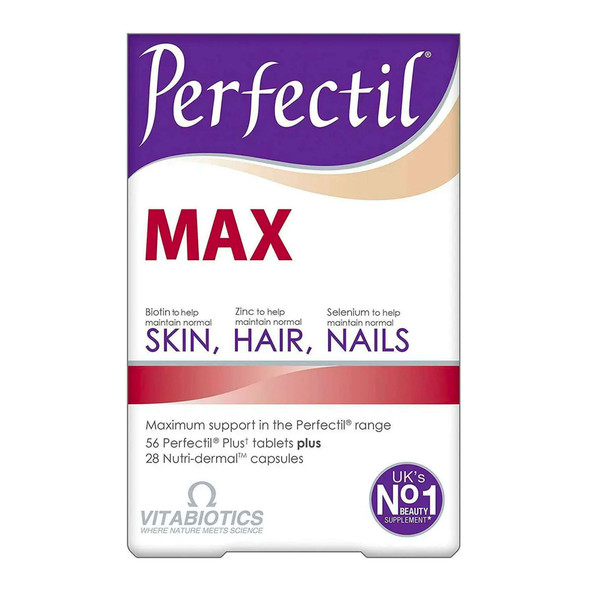
Looking for hair growth tablets or hair vitamins in the UK? This category brings together supplement options commonly chosen to support healthy-looking hair as part of a consistent routine—especially if you’ve noticed thinning, increased shedding, or changes in hair condition. Hair changes can be influenced by genetics, diet, stress, styling habits, and hormones (including postnatal changes and menopause), so the most suitable choice depends on what’s changed for you and how long it’s been happening.
Many products in this range include nutrients associated with the maintenance of normal hair, such as biotin, zinc and selenium (check each label for amounts and suitability). If you’re taking regular medication, managing a long-term condition, or shopping during pregnancy or breastfeeding, pharmacist advice can help you choose an appropriate option and avoid unnecessary duplication across supplements. WithAid is a UK based and regulated pharmacy, with discreet delivery and access to pharmacist-led guidance if you need support choosing.
Shop by hair growth type
Popular types of hair growth products
- Hair growth tablets (daily formulas designed for routine use)
- Hair vitamins for women (often chosen for overall hair condition support)
- Men’s hair vitamins (commonly selected for age-related thinning concerns)
- Hair, skin & nails supplements (broader micronutrient support)
- Combined packs (tablets + capsules formats for convenience)
How to choose the right option
- Define your priority: thinning, shedding, breakage, or improving overall hair condition.
- Compare ingredients sensibly: many formulas include biotin, zinc or selenium—check labels and avoid doubling up across products.
- Consider life stage: postnatal changes and menopause-related thinning are common times to double-check suitability and consider pharmacist advice.
- Review medicines and health conditions: if you take regular medication or are under medical care, ask a pharmacist before starting a new supplement.
- Pick a format you’ll stick to: tablets, capsules or packs—consistency matters more than frequent switching.
- Know when to seek help: sudden or patchy hair loss, or scalp pain/itching/scaling, should be assessed by a pharmacist or GP.
Quick links: common needs
FAQs
Are hair growth tablets suitable for men and women?
Many products are suitable for adults of any gender, while some are formulated around common needs for men or women. Always check the label for intended use and suitability guidance.
How long should I take hair vitamins before deciding?
Hair changes are gradual, so many people reassess after several weeks of consistent use. If shedding or thinning is worsening quickly, or you’re worried, speak to a pharmacist or GP sooner.
What ingredients are common in hair supplements?
Formulas vary, but many include nutrients linked with the maintenance of normal hair such as biotin, zinc and selenium. Choose based on your preferences and follow the directions on the pack.
Can I take hair, skin & nails supplements with a multivitamin?
Often yes, but it’s sensible to avoid duplicating similar ingredients across multiple supplements. If you’re unsure what to combine, a pharmacist can help you choose a suitable approach.
What if I’m postnatal, breastfeeding, or experiencing menopause-related thinning?
These can be common times for hair changes. Check product suitability carefully and consider pharmacist advice. If symptoms are significant, persistent, or worrying, a GP review may be appropriate.
When should I speak to a pharmacist or GP about hair loss?
Get advice if hair loss is sudden, patchy, associated with scalp pain/itching/scaling, or if you have other symptoms such as fatigue or unexplained weight change. A pharmacist can advise and signpost you to a GP where needed.
Important: Supplements can support general nutrition, but they cannot diagnose or treat the underlying cause of hair loss and results vary between individuals. If you’re concerned, take medication, are pregnant/postnatal, or manage a long-term condition, speak to a pharmacist or contact your GP for personalised advice.