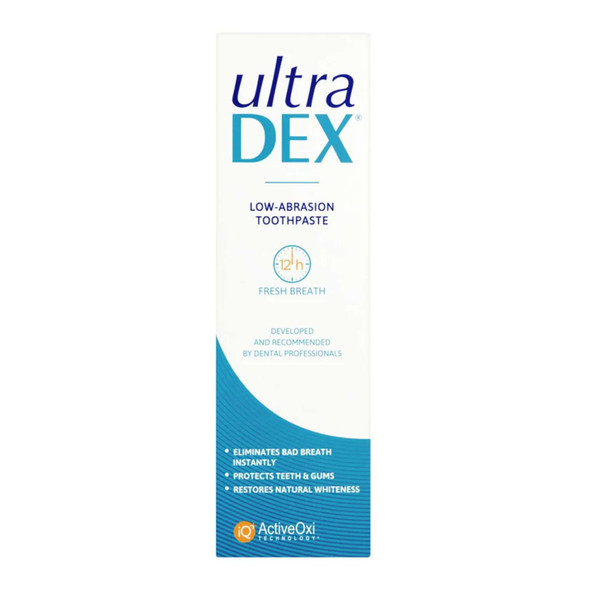
Halitosis (bad breath) is common and is often linked to everyday factors such as dry mouth, certain foods and drinks, smoking, or plaque build-up around teeth and gums. For many people, the best starting point is a consistent oral-care routine, supported by targeted products that help maintain a fresher-feeling mouth day to day.
Shop practical, pharmacy-grade options here — including mouthwash for bad breath, fresh breath toothpaste for everyday care, and convenient breath sprays for on-the-go use. Keep it simple: brush twice daily, clean between teeth, clean your tongue if you can, and stay hydrated. If bad breath keeps returning despite good oral care, a dental check-up can help identify causes such as gum irritation, tooth decay, or denture hygiene needs. If you’re unsure what’s suitable (for example, if you have a dry or sensitive mouth, are pregnant, or take regular medicines), our pharmacy team can help you choose an appropriate option, with UK delivery available in discreet packaging.
Shop by halitosis type
Popular types of bad breath products
- Fresh breath mouthwash for daily use alongside brushing
- Alcohol-free mouthwash for a gentler feel in a dry or sensitive mouth
- Fresh breath toothpaste to support routine plaque control
- Breath sprays for quick freshness between brushing
- Travel sizes for work, commuting and holidays
How to choose the right option
- For day-to-day support, prioritise toothpaste + mouthwash; add a breath spray for quick top-ups when you’re out.
- If mouthwash stings or your mouth feels dry, consider an alcohol-free mouthwash and keep hydrated.
- Match your goal: fresh breath, gum care, whitening, or sensitivity support.
- If you wear dentures, use dedicated denture-care products to help reduce residue and odour.
- If you’re buying for a child, or you’re pregnant/breastfeeding, check the label and ask a pharmacist if unsure.
- If symptoms persist despite good oral care, book a dental check-up to explore possible underlying causes.
Quick links: common needs
FAQs
What is halitosis?
Halitosis is the medical term for bad breath. It can be occasional (for example after certain foods) or persistent, and is often linked to oral bacteria, dry mouth, gum issues, or diet and lifestyle factors.
Which products help most with bad breath?
A consistent routine usually works best: brush twice daily, clean between teeth, and use a mouthwash as part of your daily oral-care routine. Breath sprays can be useful for short-term freshness between brushing.
Why does bad breath come back quickly?
Bad breath can return if the underlying cause isn’t addressed — for example plaque around the gumline, food debris between teeth, dry mouth, or dentures that need more thorough cleaning. A consistent routine and a dental check-up for ongoing symptoms can help.
Is mouthwash enough on its own?
Mouthwash can support fresh breath, but it works best alongside brushing and cleaning between teeth. Using mouthwash without removing plaque and debris may not tackle the main cause of odour.
What if mouthwash stings or makes my mouth feel dry?
Some people prefer alcohol-free oral rinses, especially if they’re prone to dryness or sensitivity. If symptoms continue, speak to a pharmacist or dentist for advice on suitable products and routine changes.
Can dentures cause bad breath?
They can if residue or plaque builds up on dentures. Using denture-care products and cleaning dentures as directed can help reduce odours and maintain comfort.
When should I speak to a dentist, pharmacist or GP?
Get advice if bad breath lasts despite good oral care, or if you have bleeding gums, mouth pain, swelling, ulcers, fever, difficulty swallowing, or other concerning symptoms. A dental check-up is often the best next step for persistent halitosis.
Important: This page is for general guidance and does not replace medical or dental advice. Products for bad breath support oral hygiene but do not diagnose or treat underlying conditions. Always read the label and follow directions. If symptoms are severe, unusual, persistent, or you’re unsure what’s appropriate, speak to a pharmacist, dentist or GP. In an emergency, call 999 or attend A&E.