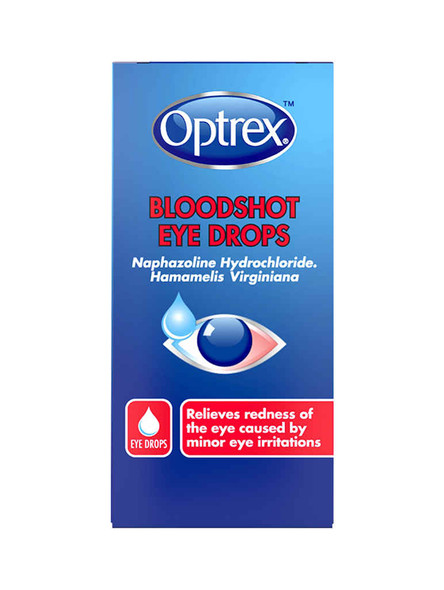
Irritant conjunctivitis is when the surface of the eye becomes inflamed after contact with everyday triggers such as smoke, dust, fumes, household chemicals, wind or chlorinated water. Symptoms often include redness, watering, stinging or burning, and a gritty “something in the eye” feeling. This category includes pharmacy eye-care formats people commonly choose for short-term comfort, including soothing eye drops, redness-relief drops for visible redness caused by minor irritation, and refreshing eye mists.
When choosing, it helps to think about what’s most likely behind the symptoms: irritants often cause watering and soreness after a clear exposure; allergies often come with itching; infection can involve sticky discharge or worsening swelling. Always read the label and use as directed, keep bottle tips clean (don’t touch the nozzle to your eye), and don’t share eye products. If you wear contact lenses or symptoms are severe, persistent or worsening, ask a pharmacist, optometrist or GP.
Shop by Irritant Conjunctivitis type
Popular types of products
- Soothing and moisturising eye drops for dry, gritty or tired-feeling eyes
- Sore-eye drops for cooling comfort after minor irritation
- Redness-relief drops to temporarily reduce visible redness caused by minor irritation
- Eye mists for convenient on-the-go rehydration (follow the product directions)
- Multi-symptom options designed to refresh and soothe when eyes feel irritated
How to choose the right option
- Match the main symptom: dry/gritty (moisturising drops), sore/irritated (soothing drops), visible redness from minor irritation (occasional redness-relief drops), on-the-go refresh (eye mist).
- Check contact lens guidance: some products advise removing lenses before use and waiting before reinserting; if symptoms started while wearing lenses, pause lens wear and seek advice.
- Use safely and hygienically: wash hands, don’t touch the bottle tip to your eye or skin, and don’t share eye products.
- Know the red flags: severe pain, sudden vision changes, marked light sensitivity, chemical splash injuries, significant swelling, or symptoms that worsen or don’t start improving in a few days need prompt professional assessment.
Quick links: common needs
FAQs
What causes irritant conjunctivitis?
It’s usually triggered by exposure to irritants such as smoke, dust, fumes, household chemicals, air pollution, wind or chlorinated water, which can inflame the eye’s surface and cause redness and watering.
How is irritant conjunctivitis different from allergy or infection?
Irritants often cause watering and discomfort after a clear exposure. Allergies commonly include itching. Infection may involve sticky discharge or worsening swelling. If you’re unsure, seek professional advice.
Which product format should I start with?
Many people start with soothing or moisturising eye drops for dryness or grittiness. If you need convenient refreshment during the day, an eye mist may be suitable. Always follow the product directions.
How long can I use redness-relief drops?
Use exactly as directed on the label and leaflet. If redness keeps returning, you need drops frequently, or symptoms don’t improve, speak to a pharmacist, optometrist or GP for advice.
Can I use these products with contact lenses?
Some products are suitable for contact lens wearers, while others require removing lenses and waiting before reinserting. Follow the label guidance for the specific product.
When should I seek urgent help?
Get urgent help for severe eye pain, sudden changes in vision, significant light sensitivity, chemical splashes/burns, eye injury, marked swelling, or severe symptoms in a child.
Important: This page provides general shopping guidance and does not replace medical advice, diagnosis or treatment. Always read the label and use products as directed. If symptoms are severe, unusual, one-sided, persistent or worsening, seek advice from a pharmacist, optometrist, GP or NHS 111. In an emergency, call 999 or attend A&E.