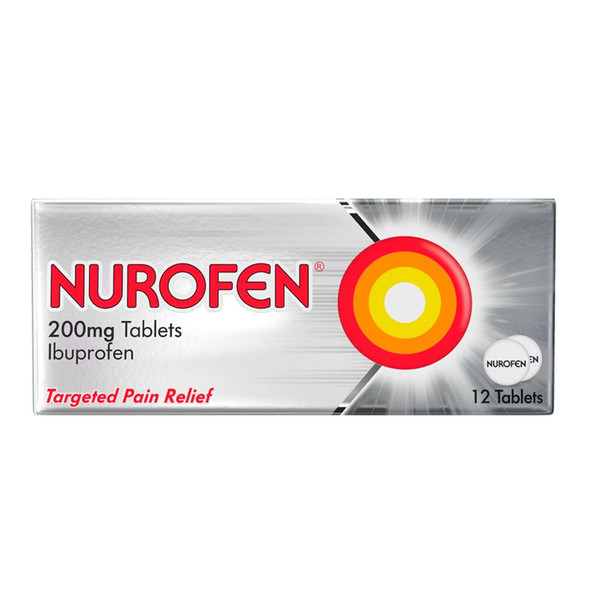
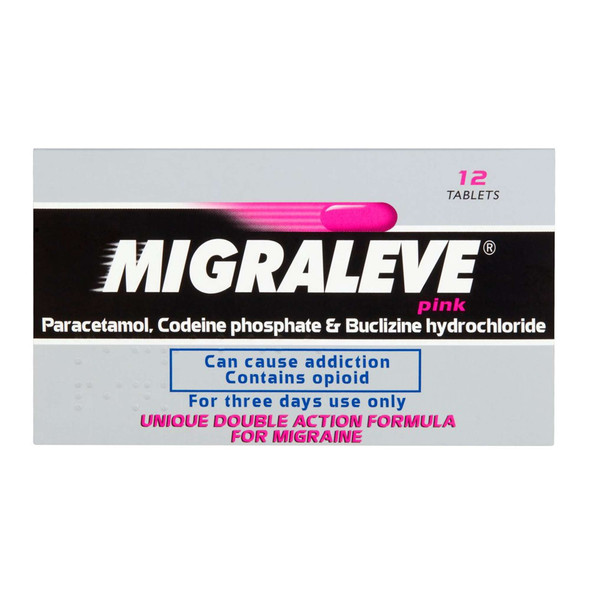
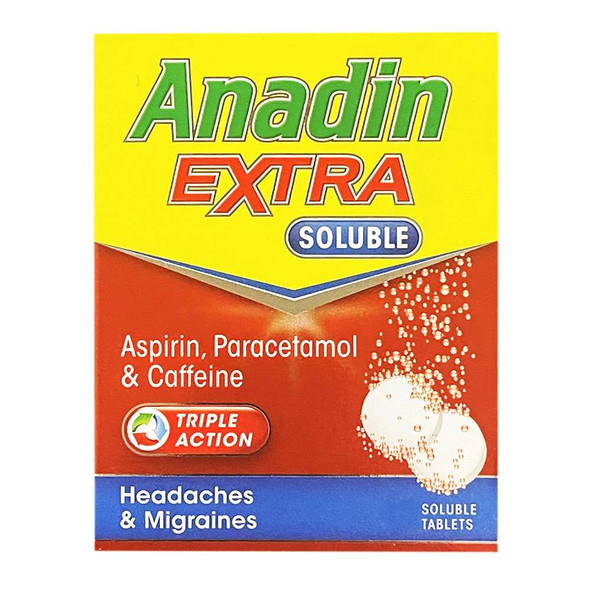
Looking for effective migraine relief often comes down to two things: choosing a painkiller that’s suitable for you, and picking a format you can take comfortably during an attack, especially if you feel nauseous or sensitive to light and sound. Need help choosing? Our UK pharmacy team can advise on suitability, ingredients, and safe use. This range includes over-the-counter migraine and headache options, such as paracetamol, ibuprofen, and aspirin-based products, as well as soluble tablets, dispersible aspirin, and cooling strips for non-tablet comfort.
These products are intended for short-term symptom relief. If your migraines are frequent, worsening, or affecting daily life, it’s important to speak to a pharmacist or GP for personalised advice. If you’re considering an NSAID (like ibuprofen or aspirin), check suitability carefully—particularly if you have asthma, stomach ulcers, kidney problems, high blood pressure, are pregnant or breastfeeding, or take other medicines. Always read the label and leaflet before use.
Shop by migraine relief type
Popular types of migraine relief products
- Paracetamol tablets or capsules for mild to moderate migraine pain where suitable
- Ibuprofen tablets/caplets (NSAID) for pain relief where appropriate
- Aspirin or dispersible aspirin including quick-dissolving formats (not suitable for everyone)
- Soluble/effervescent tablets for fast-dissolving options that may be easier to take
- Cooling strips for non-tablet comfort alongside rest and hydration
How to choose the right option
- Choose the active ingredient first: paracetamol, ibuprofen, or aspirin depending on your symptoms and suitability.
- Check NSAID suitability: ibuprofen and aspirin may not be appropriate if you have stomach, kidney, asthma, heart, or blood pressure conditions, or take certain medicines.
- Avoid double-dosing: don’t combine products containing the same active ingredient.
- Pick a format you can take reliably: tablets, caplets, soluble options, or dispersible aspirin if swallowing is difficult during an attack.
- If nausea is a key symptom: soluble or dispersible formats may be easier—ask a pharmacist if unsure.
- Use the lowest effective dose for the shortest time: follow the label for dose, timing, and maximum daily limits.
- Be cautious with codeine-containing painkillers: short-term use only; if you need them beyond label guidance (typically 3 days), speak to a pharmacist or GP.
Quick links: common needs
FAQs
What’s the difference between a migraine and a headache?
Migraine can come with symptoms such as nausea, sensitivity to light or sound, and may feel throbbing or one-sided. Some people experience aura (for example, visual changes). If symptoms are new, severe, or changing, speak to a pharmacist or GP.
What should I take first for a migraine?
Many start with an over-the-counter painkiller, such as paracetamol, or an NSAID like ibuprofen or aspirin if suitable. The best choice depends on your medical history and other medicines. Follow the label and do not exceed the stated dose.
Are soluble or dispersible tablets better during a migraine?
Soluble or dispersible tablets dissolve before swallowing, which can be easier if nauseous. Choosing a suitable active ingredient and following dosing instructions is still essential.
Can I take migraine tablets with cold and flu remedies?
Many cold and flu products already contain pain relief (often paracetamol or ibuprofen). Check active ingredients to avoid double-dosing, and ask a pharmacist if unsure.
Can taking painkillers too often make headaches worse?
Frequent use can contribute to medication-overuse headache. If you need migraine medicines regularly, speak to a pharmacist or GP for guidance.
When should I speak to a GP about migraines?
See a GP if migraines are frequent, severe, worsening, or affecting daily life. Also seek advice if unsure whether your symptoms are migraine.
When should I seek urgent medical help?
Contact NHS 111 (or 999 in an emergency) for sudden, very severe headaches, headaches after a head injury, or if experiencing confusion, fainting, weakness, speech or vision changes, fever with stiff neck, or any concerning new pattern.
Important: Migraine and headache medicines are not suitable for everyone. Always read the label and leaflet before use. If pregnant, breastfeeding, have a long-term condition, take blood thinners or other medicines, or if symptoms persist or worsen, consult a pharmacist or GP. Codeine-containing painkillers are for short-term use only—follow the label and seek advice if needed beyond recommended duration.