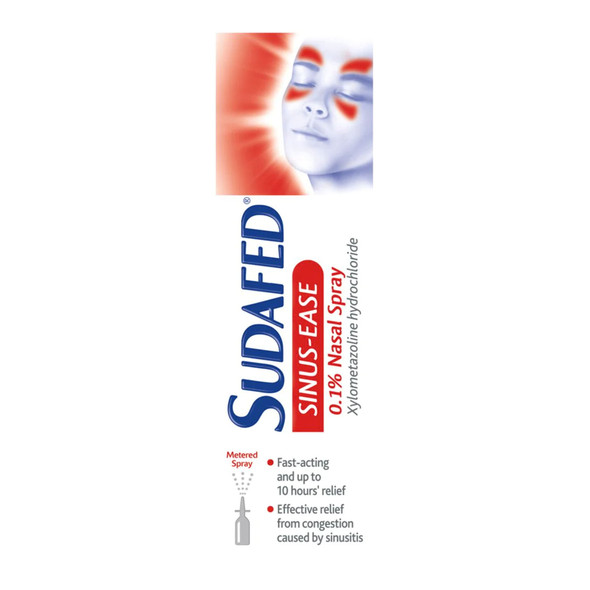
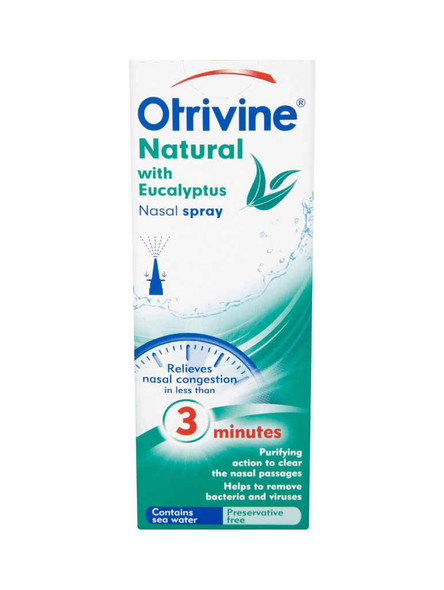
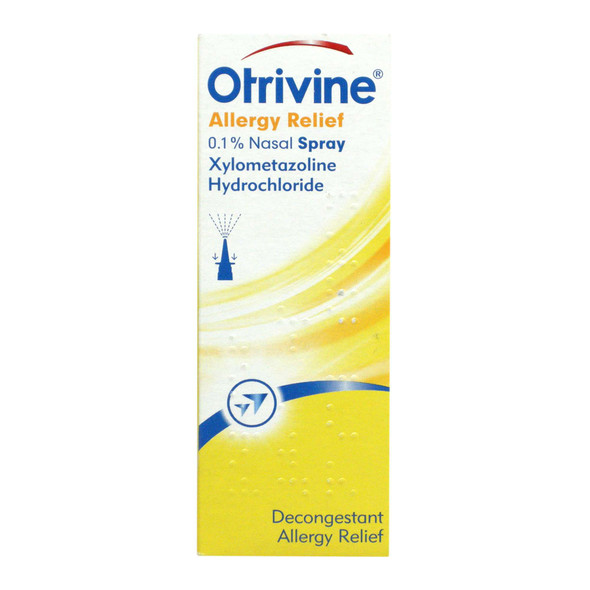
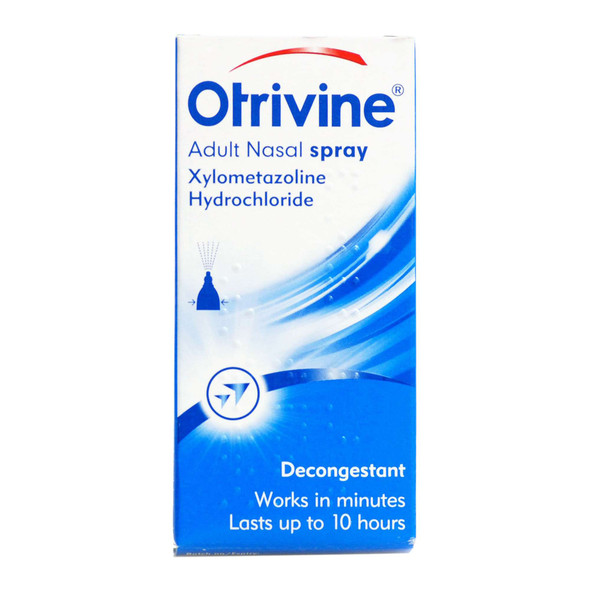
If you’re shopping for sinusitis relief, you’re usually looking for support with a blocked nose, facial pressure, post-nasal drip or a sinus headache — often alongside a cold, flu or hayfever. This category brings together UK pharmacy options commonly chosen to help manage congestion symptoms, including nasal decongestant sprays, saline nasal sprays for rinsing and moisturising, and sinus tablets/capsules that may be considered when congestion comes with headache or aches. Compare formats, brands and pack sizes to find an option that fits your symptoms and routine.
Because sinus symptoms can overlap with colds, allergies and ongoing nasal irritation, the right choice depends on your main symptom and what’s suitable for you. Some products may have age limits, quantity limits or require additional suitability questions. Always read the patient information leaflet and use medicines as directed. If you’re unsure what to choose, a pharmacist can help you pick a suitable option. If symptoms are severe, worsening, recurrent or not improving, seek clinical advice rather than self-treating for longer than directed.
Shop by Sinusitis type
Popular types of products
- Nasal decongestant sprays for short-term blocked nose support (follow the leaflet and maximum duration).
- Saline nasal sprays for rinsing and moisturising to help clear mucus and irritants (often chosen for regular nasal care).
- Sinus tablets and capsules for congestion with facial pressure or headache (check active ingredients to avoid overlap with other medicines).
- Nasal drops for targeted nasal use, including child-specific options where labelled.
- Nasal hygiene sprays for routine cleansing and comfort alongside other suitable treatments.
How to choose the right option
- Match the main symptom: blocked nose, facial pressure, post-nasal drip and headache can suit different approaches.
- Check active ingredients: many cold & flu products combine actives, so avoid doubling up (especially with multi-symptom products).
- Follow duration guidance: some decongestant sprays are intended for short-term use only; stick to leaflet directions.
- Choose a format you’ll use correctly: spray technique, dosing frequency and pack size can affect consistent use.
- Check suitability: ask a pharmacist if you’re pregnant/breastfeeding, have high blood pressure, glaucoma, thyroid problems, or take regular medicines.
- Know when to seek advice: severe or worsening symptoms, persistent fever, facial swelling, eye symptoms, breathing difficulty or feeling very unwell need clinical guidance.
Quick links: common needs
FAQs
What symptoms can sinusitis cause?
Sinusitis can cause facial pain or pressure (around the cheeks, eyes or forehead), a blocked or runny nose, thick mucus, reduced sense of smell and headache. Symptoms can overlap with colds and allergies, so ask a pharmacist or your GP if you’re unsure or symptoms are severe.
How is sinusitis different from a cold or hayfever?
A cold often includes a runny or blocked nose and general unwellness, while hayfever is allergy-triggered and commonly causes sneezing and itchy eyes. Sinus symptoms can occur with either. If symptoms are seasonal or allergy-triggered, antihistamines or allergy nasal sprays may be more appropriate than cold treatments.
How long can I use a decongestant nasal spray for?
Many decongestant sprays are intended for short-term use only. Using them longer than directed can make congestion feel worse for some people. Always follow the leaflet and speak to a pharmacist if you need help choosing an alternative.
Do saline nasal sprays help with congestion?
Saline sprays can help rinse and moisturise the nasal passages, loosen mucus and clear irritants. They’re often chosen when you prefer a non-medicated option or alongside other suitable treatments.
Can I combine sinus tablets with other cold & flu medicines?
Sometimes, but check the active ingredients first. Many cold & flu products already include pain relief and/or a decongestant. If you’re unsure, ask a pharmacist to help you avoid taking overlapping ingredients.
When should I get medical advice for sinus symptoms?
Seek advice if symptoms are severe, worsening, recurrent or not improving; if you have a persistent high temperature; or if you develop significant facial swelling, eye symptoms, breathing difficulty, or feel very unwell. For urgent concerns, contact NHS 111.
Are sinus treatments suitable during pregnancy or breastfeeding?
Not all treatments are suitable in pregnancy or breastfeeding, and suitability can depend on your trimester and medical history. Speak to a pharmacist or your GP before choosing a product.
Safety information: This page is for general guidance and does not replace medical advice. Always read the label and patient information leaflet and use medicines as directed. Some products may have age limits, quantity limits or require suitability questions, and may not be suitable if you have certain conditions or take regular medicines. If symptoms are persistent, worsening or you’re worried at any time, speak to a pharmacist, contact your GP, or call NHS 111 for urgent advice.