Sneezing is a common reflex, but frequent bouts are often linked to allergies (including hay fever) or irritation from triggers such as pollen, dust, pet dander, smoke and strong fragrances. If sneezing comes with itchy, watery eyes or a clear runny nose, allergy-focused options are commonly chosen. If it’s paired with a sore throat, aches, fatigue or a temperature, a cold may be more likely. This page helps you shop sneezing-related pharmacy products online by format, so you can target the symptoms affecting you most—whether you want everyday allergy tablets for daytime, a nasal spray when congestion is the main issue, or a child-friendly option where tablets aren’t suitable.
When to get advice: Speak to a pharmacist or your GP if sneezing is persistent, keeps returning, affects sleep, or you’re worried about the cause. Seek urgent medical help for facial or lip swelling, wheezing, breathing difficulty, chest pain, or signs of a severe allergic reaction. Shop from a UK-based, regulated pharmacy with discreet delivery.
Shop by sneezing type
Popular types of sneezing relief products
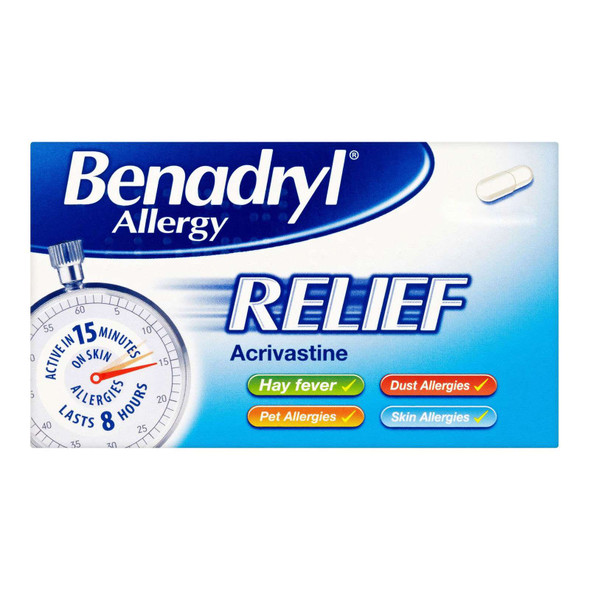
- Once-daily antihistamine tablets for ongoing allergy sneezing and related symptoms (follow the leaflet).
- Daytime “non-drowsy” antihistamine options often preferred when you need to stay alert (drowsiness can still occur for some people).
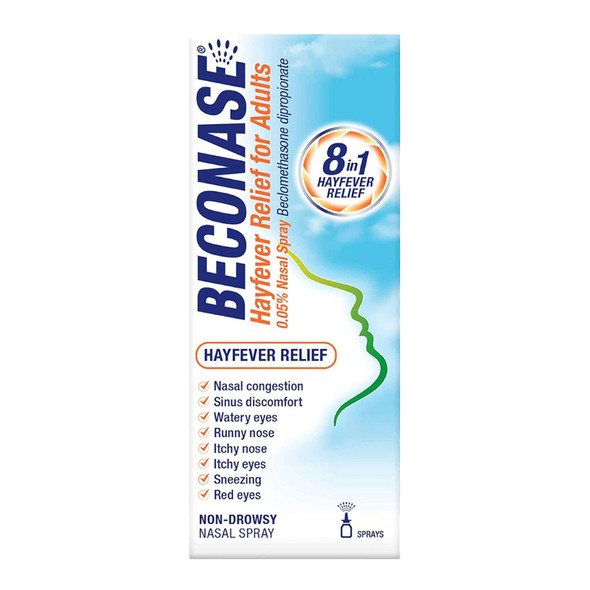
- Hay fever nasal sprays for sneezing with a blocked, stuffy or runny nose, depending on the product.
- Allergy eye drops when eye symptoms (itching, watering, redness) are prominent alongside sneezing.
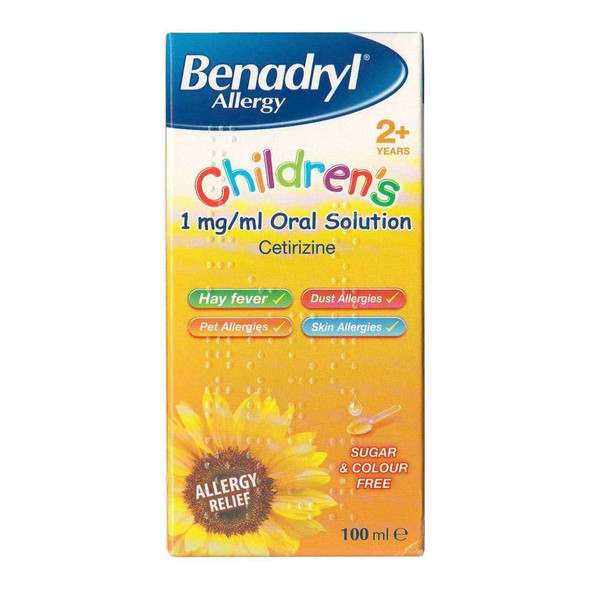
- Children’s liquids and age-specific formats designed for suitable dosing when tablets aren’t appropriate.
How to choose the right option
- Start with the symptom pattern: sneezing with itching/runny nose often suggests allergy formats; sneezing with fever/aches may fit cold & flu support.
- Match the format to your main issue: tablets for broader symptoms, nasal sprays for nasal congestion, eye drops for eye-led symptoms.
- Check drowsiness warnings: avoid driving or operating machinery if you feel sleepy.
- Choose the right product for the right age: follow minimum age and dosing guidance carefully for children.
- Review suitability and interactions: take extra care if pregnant/breastfeeding, managing long-term conditions, or taking other medicines.
- Avoid duplicating ingredients: especially when combining cold & flu products with other medicines—compare labels first.
Quick links: common needs
FAQs
What are the most common causes of sneezing?
Sneezing is commonly caused by allergies (including hay fever), but it can also be triggered by colds, irritants such as dust or smoke, strong fragrances, and changes in temperature. Looking at your other symptoms can help you choose the most suitable product format.
How do I know if my sneezing is allergy-related or a cold?
Allergies often come with itching, watery eyes, and a clear runny nose, and may be seasonal or linked to triggers like pollen, dust or pets. Colds are more likely if you have a sore throat, aches, fatigue, or a fever. If you’re unsure, a pharmacist can help you decide what’s appropriate.
Are antihistamine tablets or nasal sprays better for sneezing?
Antihistamines are commonly used for broader allergy symptoms like sneezing, itching, and a runny nose. Nasal sprays are often chosen when a blocked or stuffy nose is a main problem. Always check the label and leaflet for what each product is designed to treat.
Can I use an antihistamine and a nasal spray together?
Some people use different formats to target different symptoms, but suitability depends on the products and your health circumstances. Check the patient information leaflets, avoid duplicating ingredients, and ask a pharmacist if you want help choosing a safe combination.
What should I consider when choosing a “non-drowsy” antihistamine?
“Non-drowsy” options are designed to reduce sleepiness, but anyone can react differently. Review the warnings, and if you feel drowsy, avoid driving or operating machinery. If you need to take antihistamines regularly, a pharmacist can help you compare suitable choices.
What’s suitable for children who are sneezing with hay fever?
Choose children’s products that match your child’s age and follow dosing guidance carefully. Some children may find liquids easier than tablets. If symptoms are persistent, severe, or you’re unsure what to use, speak to a pharmacist.
When should I speak to a pharmacist or GP about sneezing?
Get advice if sneezing is persistent, worsening, affecting sleep, or coming with troublesome symptoms. Seek urgent medical help for facial or lip swelling, breathing difficulty, wheezing, chest pain, or signs of a severe allergic reaction.
Safety information: Always read the patient information leaflet and use medicines as directed. Treatments for sneezing and allergies may not be suitable for everyone, especially if you are pregnant or breastfeeding, have long-term conditions, or take other medicines. If symptoms persist, worsen, or you are concerned, speak to a pharmacist or your GP.