Stroke is a serious medical emergency that occurs when blood flow to the brain is interrupted, potentially causing lasting disability or death if not treated urgently. In the UK, clinical guidance supports the use of low‑dose aspirin for certain high‑risk individuals to help reduce the likelihood of blood clots forming — one of the primary contributors to recurrence of stroke and other cardiovascular events. WithAid is a UK‑regulated pharmacy offering a wide selection of aspirin products and cardiovascular care support, with fast and discreet delivery across the UK.
Aspirin works by reducing platelet “stickiness” in the bloodstream, which may help prevent dangerous clots when used under professional supervision. Aspirin should only be taken for stroke prevention if recommended by a doctor or pharmacist, as inappropriate use can increase bleeding risk. Before buying, always read the patient information leaflet and discuss your full medical history and medication list with a clinician.
Popular Aspirin Products in This Category
How Aspirin is Used in Stroke Prevention
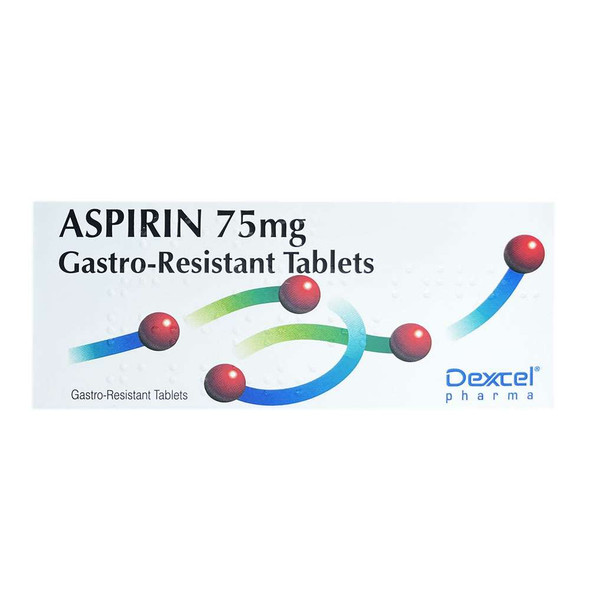
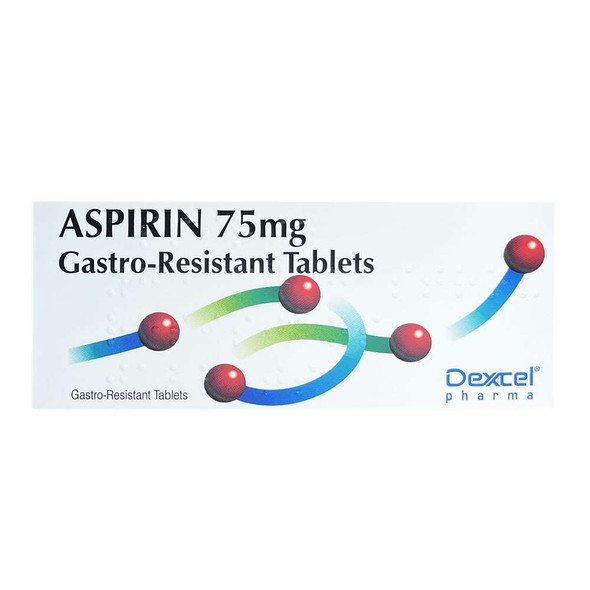
Low‑dose aspirin (often 75mg once daily) is recommended by UK clinical guidance for people who have had a previous stroke or transient ischemic attack (TIA) to help reduce the risk of another event. Aspirin’s anti‑platelet action can decrease clot formation. As with all medicines, discuss aspirin use with your doctor or pharmacist to confirm if it’s right for you, especially if you take other medications or have bleeding, digestive, or heart conditions.
How to Choose the Right Aspirin Product
- Follow professional advice: Only start aspirin for stroke prevention if recommended by a clinician based on your health history.
- Dosage considerations: Low doses (e.g., 75mg) are typical for long‑term prevention; higher doses may be used short‑term under medical supervision.
- Format options: Dispersible tablets dissolve in water; gastro‑resistant tablets may be easier on the stomach for some people.
- Interactions and safety: Aspirin may interact with anticoagulants and other medicines; always check with a pharmacist.
FAQs
Can aspirin prevent a stroke?
In people with a history of stroke or TIA, low‑dose aspirin can help reduce the risk of another event by decreasing blood clot formation. Always take it as advised by a doctor or pharmacist.
How should low‑dose aspirin be taken?
Typically, low‑dose aspirin is taken once a day, with food to help reduce stomach discomfort. Dispersible tablets can be dissolved in water if swallowing is difficult.
What are the common side effects?
Side effects can include mild stomach irritation and an increased risk of bleeding. Seek advice from a pharmacist or GP if you experience unusual symptoms.
Is daily aspirin safe?
Daily low‑dose aspirin can be effective but should only be taken if recommended by a healthcare professional. It may not be suitable for everyone.
Can I take aspirin with other medications?
Aspirin can interact with other medicines including anticoagulants and NSAIDs. Always discuss your full medication list with a pharmacist before starting aspirin.
Important: This information is educational and not a substitute for professional medical advice. Consult a pharmacist or doctor for personalised guidance before starting or changing any medication.