Sweat rash (also called prickly heat or miliaria) happens when sweat becomes trapped in blocked sweat ducts, leading to small red bumps and an itchy, prickling or stinging feeling. It’s often triggered by hot, humid weather, exercise, tight clothing, or friction where skin rubs—especially in warm, moist areas such as under the breasts, groin, armpits, inner thighs and waistline. Most cases improve with simple steps: cool the skin down, keep the area dry, and reduce rubbing.
This Sweat Rash category brings together common pharmacy formats people choose to support comfort while the rash settles, including antifungal creams and powders (when fungal involvement may be a factor in skin folds), calamine lotions for cooling relief, and mild topical steroid options for short-term itch and inflammation where suitable. WithAid is a UK based and regulated pharmacy, with free delivery on orders over £20 and orders sent by Royal Mail in discreet packaging. If you’re unsure what’s appropriate for your symptoms, medicines, or age group, speak to a pharmacist.
Shop by Sweat Rash type
- Antifungal creams for fungal sweat rash
- Antifungal powders for moisture-prone areas
- Calamine & soothing lotions for cooling comfort
- Mild topical steroids (short-term) for itch/inflammation where suitable
- Supportive care for moisture and friction control
Popular types of sweat rash products
- Antifungal creams: often chosen for persistent rash in warm, moist folds where fungal irritation may contribute.
- Antifungal powders: helpful for dampness and friction management in sweaty areas (follow label directions).
- Calamine lotions: a classic option for cooling the skin and easing minor itch and irritation.
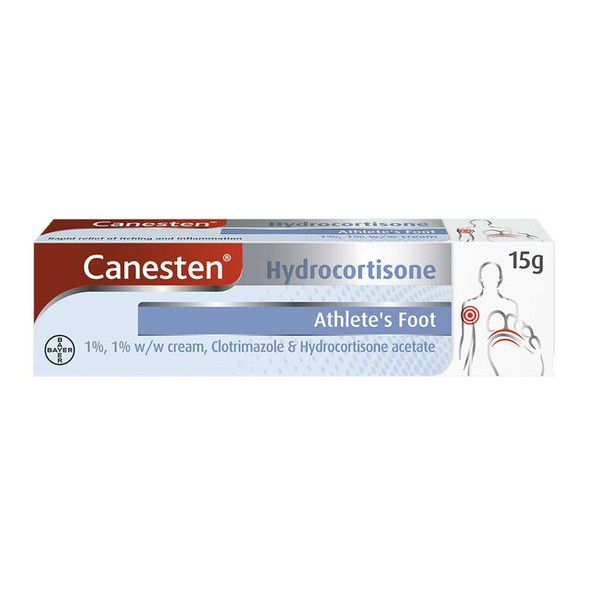
- Mild topical steroids: may be suitable for short-term itch and inflammation in some cases when used exactly as directed.
How to choose the right option
- Start with cooling and drying: cool showers, cool compresses, and loose breathable clothing can improve comfort quickly.
- Rash in skin folds: prioritise keeping the area dry and reducing friction; choose light, non-greasy formats that won’t trap heat.
- When fungal involvement may be a factor: if the rash is persistent in warm, moist folds, an antifungal cream or powder may be considered—ask a pharmacist if you’re unsure.
- Use steroids carefully: mild topical steroids are not suitable for every rash or body area. Follow the label, keep to short-term use, and seek advice if uncertain.
- Get help if it’s not improving: seek advice if symptoms are worsening, spreading, very painful, weeping, blistering, or not improving after a few days.
Quick links: common needs
FAQs
What is sweat rash (prickly heat)?
Sweat rash is a skin irritation caused by blocked sweat ducts that trap sweat under the skin. It often appears as small red bumps and can feel itchy, prickly or stinging.
How long does sweat rash take to settle?
Mild sweat rash often improves once the skin is kept cool, dry and free from friction. If it isn’t improving after a few days, keeps recurring, or is worsening, speak to a pharmacist or GP.
When might an antifungal cream or powder be appropriate?
If the rash is in warm, moist skin folds and persists despite cooling and drying steps, fungal irritation may be contributing. Antifungal products may be suitable in those situations—ask a pharmacist if you’re unsure what’s causing the rash.
Can I use calamine lotion for sweat rash?
Calamine is commonly used to cool and soothe minor itching and irritation. Apply as directed and stop using if it stings, worsens irritation, or you suspect infection.
Can I use hydrocortisone for sweat rash?
Mild hydrocortisone may help short-term with itch and inflammation in some cases, but it isn’t suitable for every rash or body area. Always read the label and seek advice if symptoms persist or worsen.
When should I seek urgent medical advice?
Get urgent help for signs of infection (spreading redness, warmth, swelling, pus, increasing pain), fever, blistering, involvement of the face/eyes/genitals, or if a baby or child appears unwell. In an emergency, call 999 or attend A&E.
Safety note: This information is for general guidance and does not replace medical advice, diagnosis or treatment. Always read the label and follow directions. If you are pregnant or breastfeeding, buying for a child, have allergies, take other medicines, or symptoms are severe, unusual or persistent, speak to a pharmacist, GP, or NHS 111.