Watery eyes (also called excess tearing or epiphora) can be frustrating day to day, especially when it affects reading, driving or screen time. In many cases it’s linked to allergies (pollen, dust, pets), irritation (wind, smoke, chlorine), or “reactive tearing” from dry eye where the surface of the eye becomes uncomfortable and triggers watering. Less commonly, watering can be related to infection, eyelid inflammation, or drainage problems. The best results usually come from matching the product format to your main symptoms rather than guessing.
This page brings together common pharmacy options sold in the UK, including eye drops for itchy or irritated eyes, antihistamine tablets for broader allergy symptoms, and lubricating drops for dryness and grittiness. Check each product’s label and patient leaflet for age guidance, contact lens advice, and suitability if you’re pregnant or breastfeeding, have long-term conditions, or take other medicines. If your symptoms are persistent, one-sided, painful, or affecting vision, it’s sensible to ask a pharmacist, optometrist or GP for advice.
Shop by watery eyes type
Popular types of products
- Allergy eye drops: commonly chosen when itching, redness and watering are mainly in the eyes (check age and lens guidance).
- Lubricating (dry-eye) drops and gels: for dry, gritty, tired eyes and everyday irritation (including preservative-free options for frequent use).
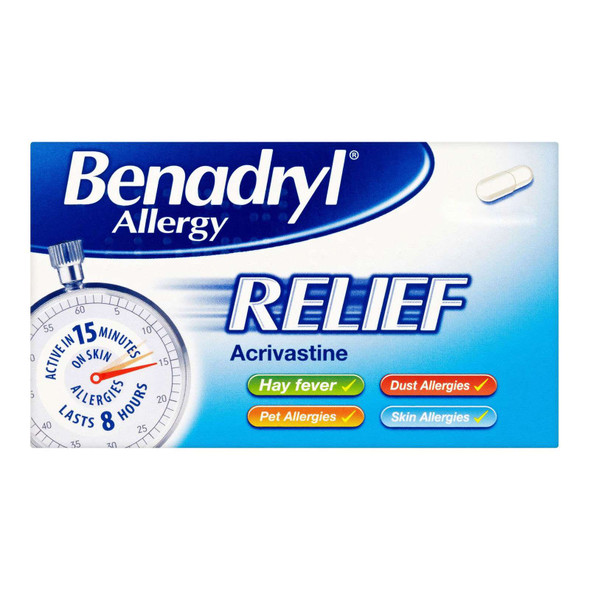
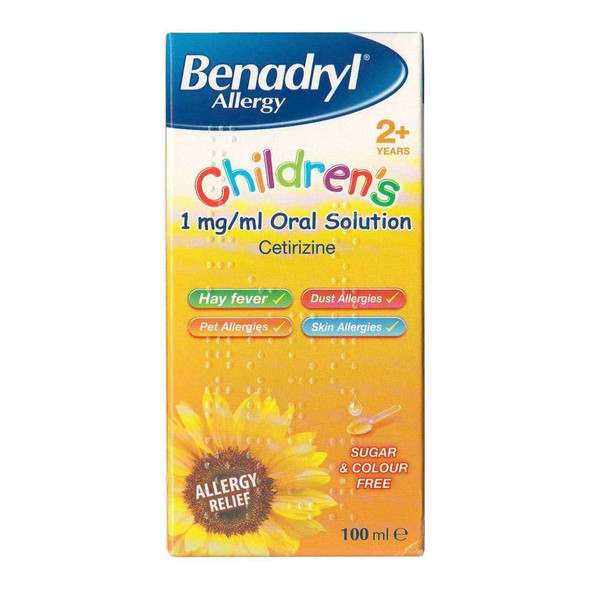
- Antihistamine tablets and liquids: a practical option when watery eyes come with wider allergy symptoms such as sneezing or itching.
- Hayfever nasal sprays: helpful when a blocked or runny nose is driving symptoms alongside watery eyes.
- Eye wash and eye sprays: for rinsing or convenient use where suitable (follow label directions and hygiene guidance).
How to choose the right option
- Identify the pattern: both eyes with itching often suggests allergy; gritty, tired eyes may suit lubricating drops.
- Consider “one eye vs both”: one watery eye that keeps returning, especially with pain or swelling, should be checked by an optometrist or GP.
- Check contact lens advice: some drops require removing lenses and waiting before reinserting; others are not suitable with lenses.
- Review dosing and lifestyle fit: once-daily vs more frequent dosing can affect how easy it is to use consistently.
- Read drowsiness and interaction warnings: some antihistamines can cause sleepiness or interact with other medicines; follow the leaflet.
- Know red flags: vision changes, significant pain, light sensitivity, injury/chemical exposure, or thick discharge needs prompt clinical advice.
Quick links: common needs
FAQs
What are the most common causes of watery eyes?
Watery eyes can be linked to allergies (pollen, dust, pets), irritation (wind, smoke, screens), dry eye (reactive tearing), colds, or infections. If symptoms are persistent, painful, one-sided, or affecting vision, it’s best to seek clinical advice.
How do I choose between allergy eye drops and lubricating drops?
Allergy eye drops are usually chosen when itching and allergy triggers are the main issue. Lubricating drops are aimed at dryness, grittiness, and everyday irritation. Check the product page and patient leaflet for intended use and suitability.
Can antihistamine tablets help watery eyes?
Antihistamines are commonly used for broader allergy symptoms that can include watery or irritated eyes. Always follow label directions and check drowsiness warnings and suitability information, especially if you drive or operate machinery.
Can I use eye drops and antihistamines together?
Some people use different formats to target different symptoms, but suitability depends on the specific products and your health circumstances. Read the patient information leaflets, avoid duplicating the same active ingredient across products, and ask a pharmacist if you’re unsure.
What if I have watery eyes in just one eye?
A single watery eye can still be caused by irritation or dryness, but if it’s persistent or recurrent—particularly with pain, swelling, or any vision change—seek advice from an optometrist, pharmacist or GP to rule out causes that need assessment.
When should I seek urgent help for watery eyes?
Seek urgent advice if you have severe pain, sudden vision changes, significant light sensitivity, eye injury/chemical exposure, a new severe headache with eye symptoms, or thick/pus-like discharge. If symptoms don’t improve or keep returning, speak to a pharmacist, optometrist or GP.
Safety information: Always read the label and patient information leaflet and use medicines as directed. Products for watery eyes may not be suitable for everyone, particularly during pregnancy or breastfeeding, for children, or if you have long-term conditions or take other medicines. This page is general information and shopping support only and doesn’t replace professional assessment. If symptoms are severe, one-sided, persistent, worsening, or associated with pain, discharge, or vision changes, seek advice from a pharmacist, optometrist, GP or NHS 111.