If you’re shopping for anaemia support, the right choice depends on the underlying cause and—where possible—your blood test results. Anaemia can be linked to low iron (iron-deficiency anaemia), but it can also have other causes, so it’s worth getting checked if symptoms are new, persistent or severe. This page brings together common pharmacy product formats used where iron deficiency is being considered, including ferrous sulfate and ferrous gluconate tablets, combined options such as iron with vitamin C or folic acid, and liquid iron for flexible dosing.
Many people come here to compare strengths, pack sizes and formats, or to find an option they can tolerate and take consistently. It’s common to be advised to use iron for a set course and then recheck levels—especially if symptoms continue. Supplements are not a substitute for a varied, balanced diet and a healthy lifestyle. Some items in this category may be classed as pharmacy medicines and can require a short suitability check at checkout. If you’re unsure what to choose—or you take regular medicines—a pharmacist can help you decide what’s suitable. For delivery and postage options, see our Shipping page.
Shop by anaemia support type
Popular types of anaemia products
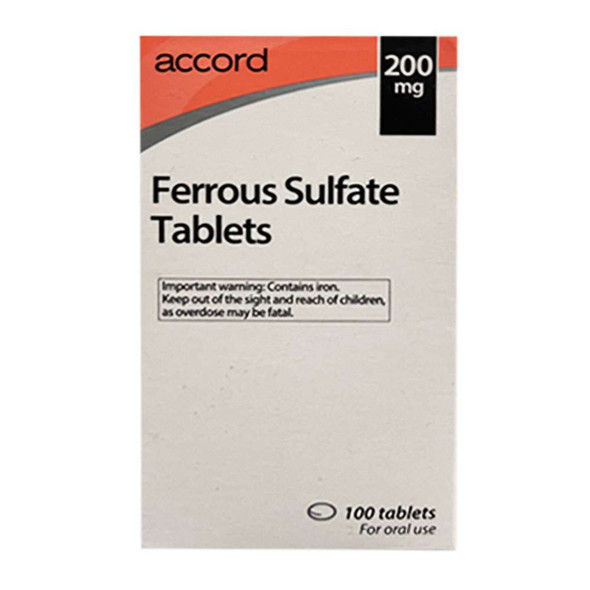
- Ferrous sulfate tablets (commonly 200mg; often chosen for short or larger courses)
- Ferrous gluconate tablets (commonly 300mg; an alternative iron salt some people prefer)
- Iron + vitamin C tablets (combined format; vitamin C is often taken alongside iron)
- Iron + folic acid tablets (combined format sometimes selected alongside pregnancy-related guidance)
- Liquid iron (for flexible dosing or if tablets are difficult to swallow)
How to choose the right option
- Confirm the cause where possible: if you haven’t had a blood test, consider speaking to a pharmacist or GP first, as anaemia has multiple causes.
- Compare the iron salt and strength: ferrous sulfate vs ferrous gluconate, and follow the label or clinician advice on dosing.
- Choose a format you can tolerate: if side effects are troublesome, a different salt, strength or liquid may suit you better.
- Check suitability: review age guidance, pregnancy/breastfeeding advice, allergies and existing conditions before buying.
- Who should avoid iron unless advised: if you’ve been told you have a condition that affects iron storage (for example haemochromatosis) or anaemia that isn’t caused by low iron, speak to a pharmacist or GP before taking iron.
- Watch for interactions: iron can interact with some medicines and supplements—ask a pharmacist if you take regular medication.
- Know when to escalate: seek urgent help for chest pain, breathlessness at rest, fainting, black/tarry stools, or heavy/uncontrolled bleeding.
Quick links: common needs
FAQs
Is this page suitable for all types of anaemia?
This category focuses on product formats commonly used where iron deficiency is being considered. Anaemia can have other causes, so if you’re unsure why you’re anaemic, speak to a clinician and consider a blood test.
What can cause iron deficiency?
Causes can include low dietary intake, increased needs (for example during pregnancy), or blood loss such as heavy periods. Because causes vary, it’s important to get checked—especially if symptoms are new, persistent or worsening.
What’s the difference between ferrous sulfate and ferrous gluconate?
They’re different iron salts used in supplements and pharmacy products. People sometimes choose one over the other based on strength, dosing advice and tolerability. Follow the label or your clinician’s guidance, and ask a pharmacist if you’re unsure.
How do I choose between tablets and liquid iron?
Tablets are convenient for many people, while liquid iron can suit those who prefer flexible dosing or find tablets difficult to swallow. Always check directions, and be aware some iron products can cause stomach upset or constipation.
How long should I take an iron product for?
That depends on the cause and your individual needs. Some people are advised to take iron for a set course and then recheck levels. If symptoms persist or you’re taking iron long-term, seek advice from a pharmacist or GP.
Can I take iron if I’m pregnant or breastfeeding?
Iron needs can change during pregnancy and breastfeeding, but suitability depends on your circumstances and what else you’re taking (for example, prenatal vitamins). Check the label and speak to a pharmacist, midwife or GP before starting.
When should I get urgent help?
Seek urgent medical help if you have chest pain, breathlessness at rest, fainting, black/tarry stools, or heavy/uncontrolled bleeding. For urgent advice when it’s not an emergency, contact NHS 111.
Important: Information here is general guidance and does not replace medical advice. Anaemia can have different causes and may need assessment. Always read the label and follow directions. If you are pregnant or breastfeeding, buying for a child, taking other medicines, or symptoms are severe, unusual or persistent, speak to a pharmacist or GP. In an emergency, call 999 or attend A&E.