Shop jock itch (tinea cruris) treatments at WithAid, a UK based and regulated pharmacy. Jock itch is a common fungal skin infection that often affects the groin, inner thighs and nearby skin, and can be made worse by heat, sweat and friction. Over-the-counter antifungal products can help manage itching and irritation and treat the underlying fungus when used as directed.
In this category you’ll find practical formats including creams for targeted application, sprays for quick coverage on larger or hairy areas, gels for a lighter, fast-drying feel, and powders to support dryness and help reduce chafing. Choose a format you can use consistently for the full course on the pack. Skin-fold rashes can have different causes, so if you’re unsure what you’re treating, symptoms are spreading or recurring, or you have a long-term condition such as diabetes or a weakened immune system, seek advice from a pharmacist or GP/NHS 111.
Shop by Jock Itch type
- Antifungal creams (targeted application)
- Antifungal sprays (quick, minimal-touch coverage)
- Fast-drying antifungal gels (lighter feel)
- Antifungal powders (supports dryness and helps reduce chafing)
Popular types of products
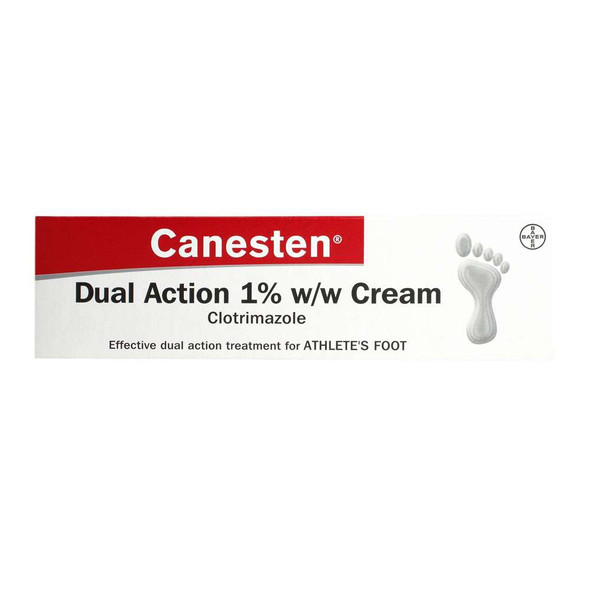
- Clotrimazole creams are a common choice for fungal skin infections and can suit smaller, localised areas.
- Miconazole creams and powders are often chosen when itching is prominent and moisture control is also important.
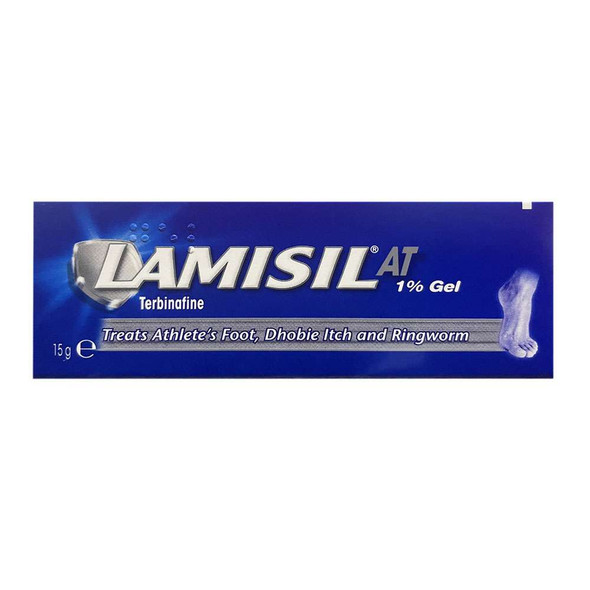
- Terbinafine gels can suit people who prefer a light, fast-drying format (follow the label instructions).
- Dermatological sprays can be easier to apply evenly over larger areas and may suit you if rubbing is uncomfortable.
How to choose the right option
- Match the format to the area: creams for precise application, sprays for wider coverage, powders to help manage sweat and friction.
- Check suitability before you buy: follow age guidance and pregnancy or breastfeeding advice on the pack. Some pharmacy products may require a short suitability questionnaire.
- Use for the full course: symptoms can ease before the fungus is fully treated, so continue for the recommended duration to reduce recurrence.
- Know when to switch approach: if you have not improved after using a product as directed, or it keeps coming back, speak to a pharmacist or GP to review the most appropriate next step.
- Reduce triggers and spread: dry the area thoroughly after washing, change underwear daily, change out of sweaty clothing promptly, avoid sharing towels, and wash towels and clothing regularly during treatment.
Quick links: common needs
FAQs
What is jock itch?
Jock itch (tinea cruris) is a fungal skin infection that commonly affects the groin and inner thighs. It can cause itching, redness and irritation, especially in warm, sweaty conditions.
Is jock itch contagious?
It can spread through skin-to-skin contact or by sharing towels and clothing. Good hygiene, not sharing towels, and washing clothing and bedding regularly can help reduce spread.
Which format is best: cream, spray, gel or powder?
Creams suit smaller areas where you want precise application. Sprays can be easier for larger or hard-to-reach areas and reduce rubbing. Gels can feel lighter and dry quickly. Powders can help manage moisture and chafing and may be useful alongside a main antifungal routine when appropriate.
How long should it take to improve?
This varies by product and severity. You may notice improvement within days, but you should complete the course on the pack. If symptoms are not improving after using a product as directed, ask a pharmacist or GP for advice.
Can I keep exercising or swimming?
Often yes, but sweat and friction can worsen symptoms. Wear breathable clothing, change out of damp kit promptly, dry the area thoroughly, and avoid sharing towels.
Should I use steroid cream on jock itch?
Do not use steroid creams unless a clinician advises it. Steroids can sometimes make fungal infections harder to treat or change how the rash looks, which may delay the right treatment.
When should I seek medical advice urgently?
Get advice if the rash is severe, painful, rapidly worsening, oozing, hot or swollen, if you have fever, or if you have diabetes or a weakened immune system. Seek urgent help for breathing difficulty or signs of a severe allergic reaction.
Safety note: This page provides general information and does not replace medical advice, diagnosis, or treatment. Always read the label and follow the patient information leaflet. If you’re unsure what you’re treating, symptoms are unusual or persistent, or you need personalised guidance, speak to a pharmacist, contact your GP, or call NHS 111. In an emergency, call 999 or attend A&E.