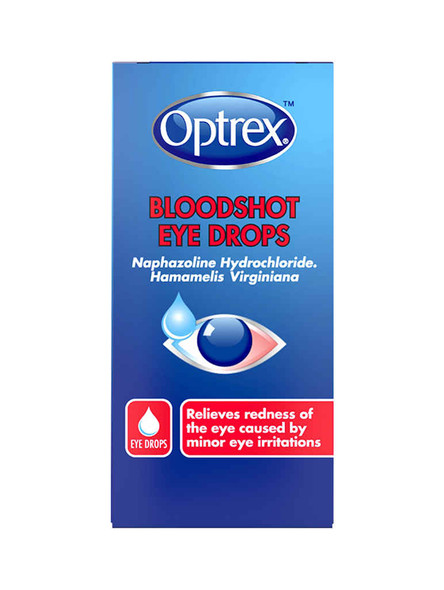
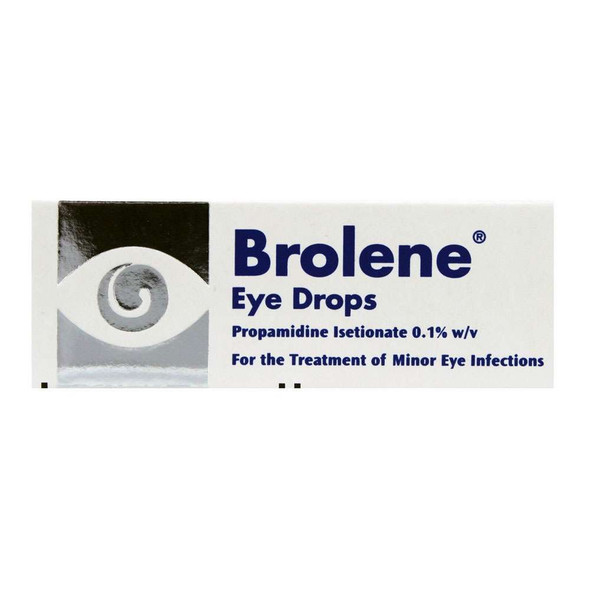
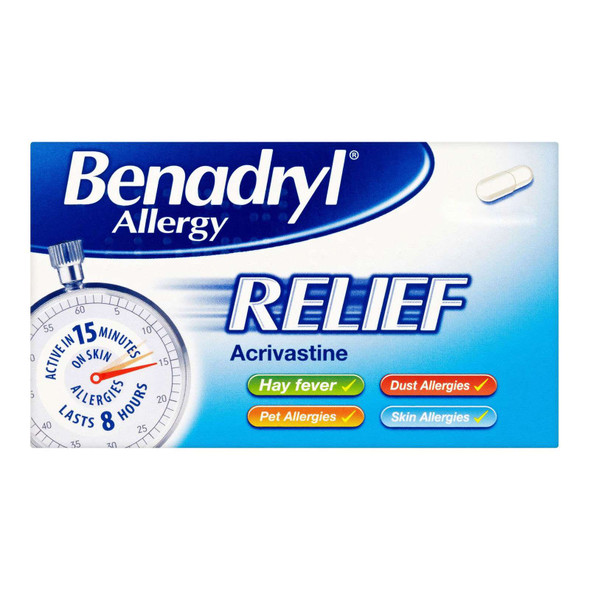
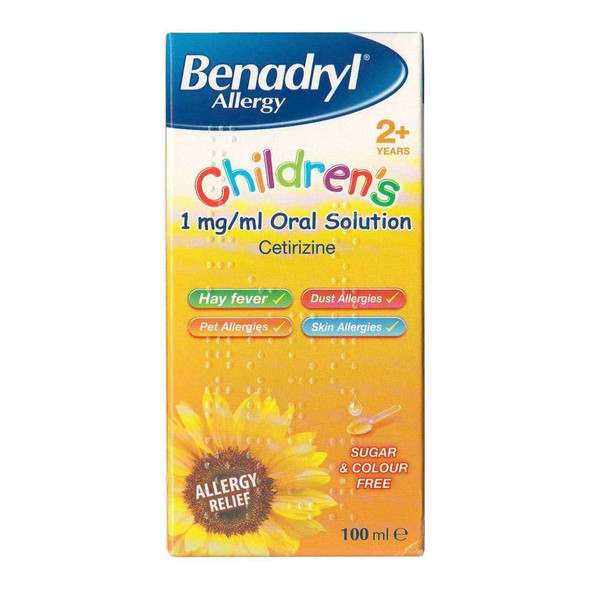
Pink eye (conjunctivitis) can cause redness, irritation, watering and discharge, and it can affect adults and children. Because symptoms can overlap, the best choice depends on what’s most likely driving your symptoms: allergies often feel itchy and watery, dryness can feel gritty or sore, and suspected infection may involve discomfort and discharge. This category brings together the key product formats available on WithAid to support symptom-led care, including allergy eye drops, lubricating drops (artificial tears), and pharmacy medicines used for certain cases of acute bacterial conjunctivitis.
WithAid is a UK based and regulated pharmacy, with orders sent by Royal Mail in discreet packaging. Always read the label and patient information leaflet and use only as directed. If you’re unsure what to choose, symptoms are worsening, or symptoms keep returning, speak to a UK-registered pharmacist, optometrist or GP.
Shop by Pink Eye type
Popular types of Pink Eye products
- Allergy eye drops for itchiness and watering linked to seasonal or household triggers
- Lubricating drops (artificial tears) for dry, gritty, tired or irritated eyes
- Single-dose or preservative-free options for frequent use or sensitive eyes
- Oral antihistamine tablets to support broader allergy symptoms that can affect the eyes
- Antibiotic eye ointment for certain cases of acute bacterial conjunctivitis (pharmacy medicine)
How to choose the right option
- Start with symptoms: itching and watering often suits allergy support; dryness may suit lubrication; discharge or worsening symptoms needs advice.
- Check suitability: follow age guidance, pregnancy/breastfeeding advice, and any warnings for existing conditions or other medicines.
- Contact lenses: remove lenses during symptoms and follow the leaflet on when it’s safe to reinsert.
- Use hygienically: wash hands, avoid touching the bottle/tube tip, and don’t share drops, towels or eye makeup.
- Know when to seek urgent help: severe eye pain, light sensitivity, sudden vision changes, significant swelling, injury, or chemical exposure should be assessed urgently.
Quick links: common needs
FAQs
What is pink eye (conjunctivitis)?
Pink eye is inflammation of the conjunctiva (the thin layer covering the white of the eye and inside the eyelids). It can be linked to allergies, irritants, or infections and may cause redness, watering, itching and discharge.
How do I know if it’s allergies, dryness, or an infection?
Allergies commonly cause itching and watering, dryness can feel gritty or sore, and infections may involve discomfort and discharge. Because symptoms can overlap, ask a pharmacist or optometrist if you’re unsure.
Do I always need an antibiotic for conjunctivitis?
No. Some cases are allergy-related or viral and won’t benefit from antibiotics. Antibiotic eye ointment is a pharmacy medicine for certain cases of acute bacterial conjunctivitis—use only as directed and seek advice if symptoms are persistent, worsening, or unusual.
Are these products suitable for children?
Suitability varies by product and age. Always check the label and patient leaflet and ask a pharmacist if buying for a child.
Can I wear contact lenses if I have symptoms?
It’s usually best to stop wearing contact lenses while symptoms are active unless a clinician advises otherwise. Follow product guidance on removing and reinserting lenses.
When should I seek urgent medical help?
Seek urgent help for severe eye pain, sensitivity to light, sudden vision changes, significant swelling, injury, or chemical exposure. If symptoms don’t start improving, keep recurring, or you are concerned, speak to a pharmacist, optometrist or GP.
Safety information: This content is general guidance and does not replace medical advice, diagnosis or treatment. Always read the label and patient information leaflet and use only as directed. If you are unsure what’s suitable, pregnant or breastfeeding, buying for a child, or symptoms are severe, unusual, or persistent, seek advice from a UK-registered pharmacist, optometrist or GP.