Red, irritated eyes can be uncomfortable and distracting, whether the trigger is dryness, seasonal allergies (hay fever), tiredness, or everyday irritants like wind, smoke, chlorine or long screen use. This Red Eye category brings together pharmacy products people commonly choose to help soothe redness, relieve irritation and support everyday eye comfort, with clear, safety-first guidance to help you choose responsibly.
You’ll find options such as lubricating (artificial tears) for dry or gritty eyes, allergy-focused eye drops for itchy or watery eyes, and suitable treatments for suspected minor bacterial conjunctivitis where appropriate. If you’re browsing other symptom-led categories, you can explore our Health Conditions A–Z to compare related concerns.
Shop by Red Eye type
- Dry or gritty eyes: lubricating eye drops (artificial tears)
- Itchy, watery eyes: allergy and hay fever eye drops
- Sore or irritated eyes: soothing drops for everyday irritation (product-dependent)
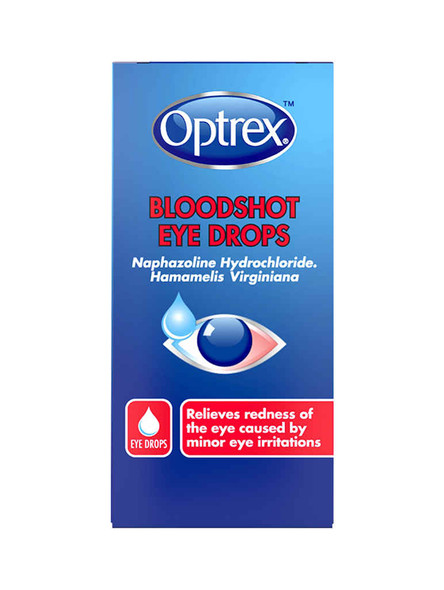
- Bloodshot eyes: redness relief drops for occasional minor irritation (product-dependent)
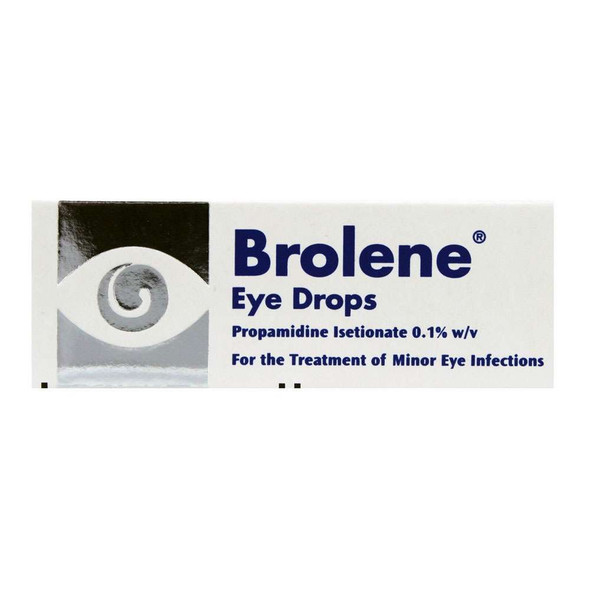
- Suspected minor bacterial conjunctivitis: suitable infection-focused treatments (where appropriate)
Popular types of red eye treatments
Because “red eye” can have different causes, choosing based on your main symptom usually helps you narrow down the most appropriate option.
- Lubricating drops (artificial tears) to add moisture for dryness, grittiness and screen-related eye strain
- Allergy eye drops for itching and watering linked to pollen, dust or pet dander
- Soothing drops and gels for mild soreness or everyday irritation (check contact lens guidance)
- Redness relief drops designed to temporarily reduce visible redness caused by minor irritation (follow directions carefully)
- Antibiotic drops or ointment for suspected bacterial conjunctivitis when suitable and used exactly as directed
How to choose the right option
- Match the product to the symptom: itch/wateriness often points to allergy drops, while dryness and grittiness usually benefits from lubricating drops.
- Check contact lens guidance: many products advise removing lenses and waiting before reinserting; if symptoms began while wearing lenses, seek advice promptly.
- Use hygienically: wash hands, don’t let the bottle tip touch your eye/skin, and don’t share eye products.
- Follow label directions: use only as directed and don’t exceed the stated frequency or duration.
- Know the red flags: eye pain, marked light sensitivity, injury or chemical splash, thick discharge, significant swelling, or any vision change needs urgent assessment.
Quick links: common needs
FAQs
What commonly causes red eyes?
Red eyes are often linked to dryness, allergies (including hay fever), tiredness, minor irritation (wind, smoke, chlorine), or conjunctivitis. Choosing the right option depends on your symptoms and what’s most likely causing them.
What’s the difference between allergy eye drops and lubricating drops?
Allergy eye drops are intended for allergy-related irritation such as itching and watering. Lubricating drops add moisture to help relieve dryness, grittiness and screen-related eye strain.
Can I use eye drops if I wear contact lenses?
Some products require you to remove contact lenses and wait before reinserting, and some are not suitable for lens wearers. Always check the pack instructions and leaflet, and ask a pharmacist or optometrist if you’re unsure.
When might an antibiotic eye product be appropriate?
Antibiotic drops or ointment may be suitable when symptoms suggest bacterial conjunctivitis and the product is appropriate for you. If symptoms are severe, worsening, or you’re unsure of the cause, seek advice before treating.
How long should I wait before getting advice?
If symptoms don’t start to improve as expected, keep returning, or you’re worried at any time, speak to a pharmacist, optometrist, NHS 111 or your GP. Do not use any product for longer than the label recommends.
What symptoms mean I should seek urgent help?
Get urgent advice for eye pain, marked light sensitivity, sudden or worsening vision changes, significant swelling, a chemical splash, or an eye injury.
Important: This page provides general shopping guidance and does not replace medical advice, diagnosis or treatment. Always read the label and patient information leaflet and use medicines only as directed. If you are pregnant or breastfeeding, buying for a child, wear contact lenses, take other medicines, or symptoms are severe, unusual, painful or persistent, speak to a pharmacist, optometrist, NHS 111 or your GP. In an emergency, call 999 or attend A&E.