Shopping for dust mite allergy (house dust allergy) relief usually comes down to two goals: easing symptoms now and choosing an option you can use consistently at home. This category brings together pharmacy treatments commonly used for year-round allergy symptoms such as sneezing, a runny or blocked nose, itchy or watery eyes, and allergy-related itching. Compare products by the main area you want to target (nose, eyes or both), the format you prefer, and practical factors like dosing frequency and any drowsiness warnings.
withaid is a UK based and regulated pharmacy. Orders are sent in discreet packaging via Royal Mail, with fast, free delivery on orders over £20. Browse everyday antihistamine tablets, targeted allergy nasal sprays for congestion, soothing allergy eye drops, and liquids where appropriate for flexible dosing. Always check each product page and leaflet for age guidance, suitability and directions.
Shop by Dust Mite Allergy type
Popular types of dust mite allergy treatments
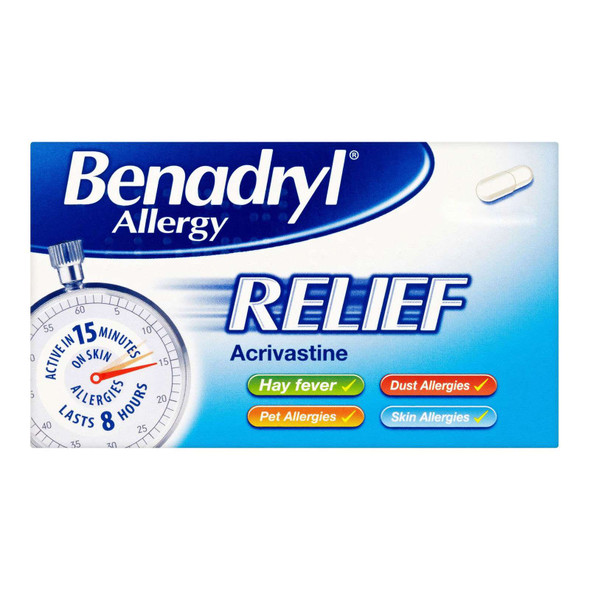
- Once-daily “less drowsy” antihistamine tablets (often chosen for daytime use)
- Shorter-acting antihistamines (may require more frequent dosing as directed)
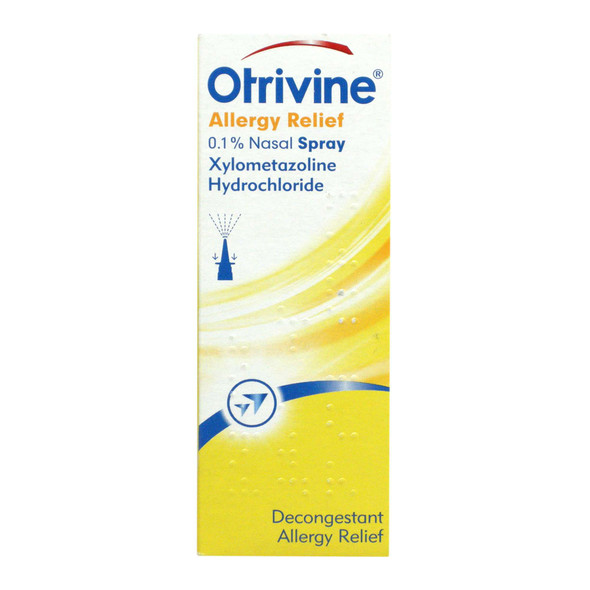
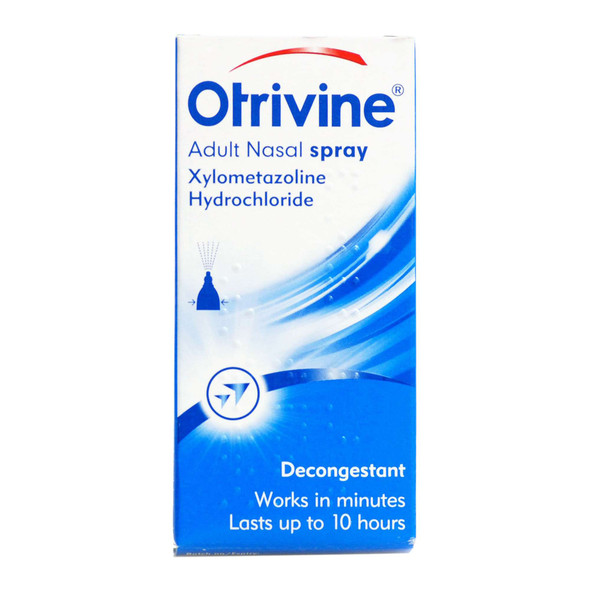
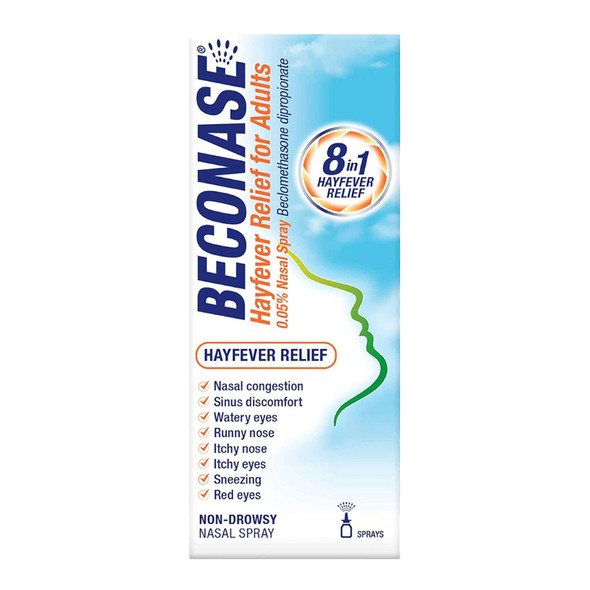
- Allergy nasal sprays (for congestion, sneezing and a blocked nose)
- Allergy eye drops (for itchy, watery or irritated eyes)
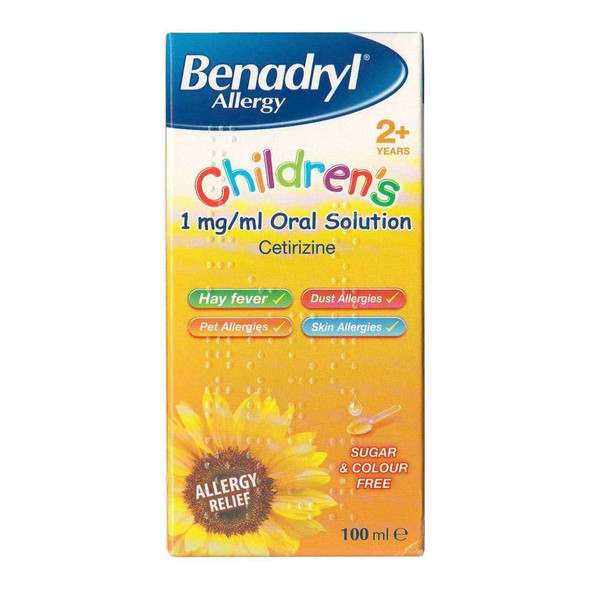
- Allergy liquids and syrups (oral solutions for flexible dosing where suitable)
How to choose the right option
- Match the format to your symptoms: nose-and-eye symptoms may suit oral tablets; nose-only symptoms may suit a nasal spray; eye irritation may suit eye drops.
- Check drowsiness guidance: “less drowsy” options may still affect some people—follow pack warnings and take extra care with driving and machinery if advised.
- Choose a routine you’ll stick to: once-daily can be simpler; some options need dosing more often (follow the leaflet).
- Use age and suitability filters: children’s products have strict minimum ages and doses; adults should check suitability if pregnant/breastfeeding or managing long-term conditions.
- Combining products: some people use tablets and add eye drops or a nasal spray for targeted symptoms—check directions for each product and ask a pharmacist if unsure.
- Reduce exposure at home too:
- Wash bedding regularly (follow care labels) and consider allergen-proof covers for pillows, duvets and mattresses.
- Vacuum and dust frequently; if available, a HEPA filter can help reduce airborne particles.
- Reduce damp and humidity where possible, as mites thrive in warm, humid environments.
Quick links: common needs
FAQs
What is a dust mite (house dust) allergy?
Dust mite allergy is an immune reaction to proteins linked to house dust mites. It can cause year-round symptoms such as sneezing, a runny or blocked nose, itchy eyes, and allergy-related itching.
How is dust mite allergy different from hayfever?
Hayfever is often seasonal (linked to pollen), while dust mite allergy can be perennial (all year). Symptoms can be similar, so choosing a treatment often depends on whether your main problem is the nose, eyes, or both.
Which treatment should I start with?
If you have mixed nose-and-eye symptoms, many people start with an oral antihistamine. If congestion is the main issue, an allergy nasal spray may be more targeted. If your eyes are the main problem, allergy eye drops can help focus relief where you need it most.
Can I use antihistamine tablets with a nasal spray or eye drops?
Some people combine an oral antihistamine for overall symptoms with a nasal spray for congestion or eye drops for eye irritation. Always check the label and leaflet for each product and ask a pharmacist if you’re unsure what’s safe to use together.
How long should I try a treatment before switching?
Follow the directions for the specific product you’re using. If symptoms aren’t improving, you’re relying on treatment frequently, or you’re unsure whether to change options, speak to a pharmacist for personalised advice.
Is dust mite allergy treatment suitable in pregnancy or breastfeeding?
Some medicines may be suitable, but not all options are appropriate for everyone. Check the product guidance carefully and speak to a pharmacist or GP before choosing a treatment if you’re pregnant or breastfeeding.
When should I speak to a pharmacist or GP?
Get advice if symptoms are severe, not improving, affecting sleep or breathing, or if you need help choosing a safe option alongside other medicines or conditions. Seek urgent medical help for signs of a serious allergic reaction, such as swelling of the face/lips/tongue, wheezing, or difficulty breathing.
Important: Allergy treatments are medicines and are not suitable for everyone. Always read the label and patient information leaflet, use only as directed, and do not exceed the stated dose. If you’re pregnant or breastfeeding, buying for a child, taking other medicines, managing a long-term condition, or symptoms persist, ask a pharmacist or GP for personalised advice.